

Making the world a better place: Tatevik Stepanyan’s mission to build an inclusive Armenia
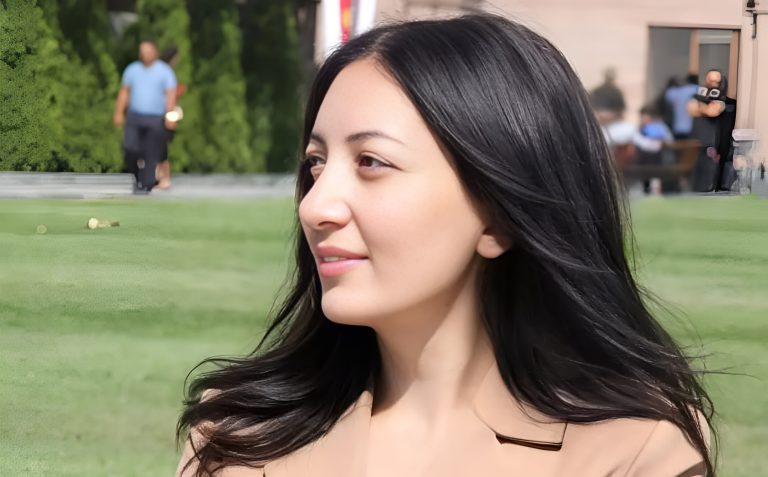
“I joined the government because I didn’t want to miss the chance to design policies that could truly support vulnerable people,” said Tatevik Stepanyan, Deputy Minister of Labour and Social Affairs of Armenia.
Her journey into public service is rooted in both dedication and personal experience. As the mother of a child with disabilities, Stepanyan has dedicated her work to building systems that protect and empower people. She is responsible for areas such as disability inclusion, child protection, care for older persons, gender equality, prevention of violence against women, and anti-trafficking.
“My motivation came from a deep belief in making the world a better place,” she explained. “My personal journey helped me recognise systemic problems and pushed me to find practical solutions.”
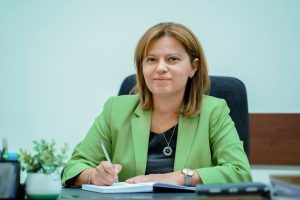
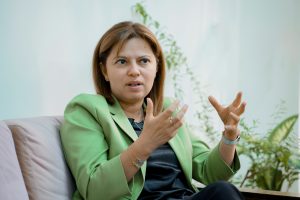
Before entering government, Stepanyan worked in the private sector, where she often encountered gender-based discrimination: “I had to prove to groups of men that I knew the procedures inside and out and could manage several tasks at once. Those experiences taught me that knowledge, not gender, defines professionalism.”
As Deputy Minister, she leads reforms that directly improve people’s lives. In 2023, Armenia introduced a new system for assessing disability, marking a major step toward more comprehensive and inclusive services. Under her leadership, the Ministry also strengthened child protection systems, expanded foster care, developed a full support framework for survivors of domestic and gender-based violence, and introduced home-based care for older persons to help them remain in their communities. In April 2025, the Armenian government also adopted the 2025-2028 National Gender Strategy and Action Plan.
“In my work, everything is about human stories,” she said. “It is profoundly moving to see a survivor of violence rebuild her life, or a person with a disability gain independence through personal assistance. These are the moments that show our efforts are worth it.”
Yet gender stereotypes remain deeply rooted in Armenia’s public life, Stepanyan noted.
“When a woman is appointed to a leadership position, her hairstyle or clothing immediately becomes a topic of discussion. We need to draw a red line between professional and personal criticism,” she said.
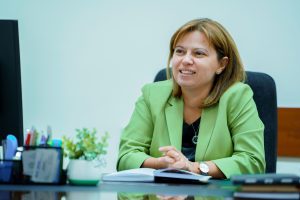
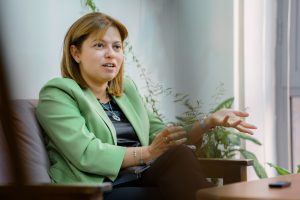
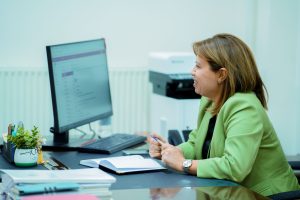
Women with disabilities, Stepanyan explained, often carry a double burden of discrimination. Many disabilities remain unseen – mental, intellectual or behavioural – yet their impact is profound.
“Overcoming this requires changing public attitudes, ensuring an accessible environment, and providing inclusive education,” she said.
Despite the challenges, Stepanyan remains optimistic. Her hope lies in the next generation – young people who are growing up with greater awareness and openness toward equality.
“My motivation comes from seeing real results and knowing that every honest, consistent effort bears fruit,” she said. “I live by principles that I never compromise: honesty and dedication to my values. Life has a boomerang effect – what you plant today, you will harvest tomorrow.”
MOST READ



SEE ALSO
Armavir citizens mobilise for safe drinking water
‘Europe became real faces and real stories’: Young European Ambassadors look back on ten years of friendships and community projects
Stories hidden in wood
Small ideas, real impact: how students built a natural food brand
Crafted by youth, inspired by tradition: the Hinunik story, a school where new ideas are born within old walls


The information on this site is subject to a Disclaimer and Protection of personal data. © European Union,
