

Lessons from the Enlargement process – what makes Ukraine different
In my earlier blog on Poland’s experience of joining the EU, I reflected on how one of our closest neighbours navigated accession and what lessons Ukraine could learn. Poland’s story, however, was written in a very different time and under very different circumstances. To understand Ukraine’s path, it is also useful to look at other enlargements – from Croatia in 2013 to the countries of the Western Balkans, which remain on the path today.
Croatia became the EU’s 28th member state in 2013, after one of the most demanding negotiation processes. As a general rule in recent enlargements, the EU requires that Chapters 23 and 24 on judiciary and fundamental rights are opened early and closed last, with strict closing benchmarks. Croatia had to demonstrate measurable progress in fighting corruption, strengthening judicial independence, and addressing minority rights before it could join. According to the Commission’s monitoring, a “track record” of high-level corruption cases and functioning institutions was decisive for closing negotiations.
For Ukraine, the Croatian case shows that rule of law benchmarks are non-negotiable. Reforms must not only be adopted but implemented with visible results. The EU will expect Ukraine to present convincing evidence of judicial independence, anti-corruption outcomes, and respect for fundamental rights before concluding talks on sensitive chapters.
The Western Balkans illustrate another dimension: the cost of stagnation. Countries like Montenegro and Serbia opened many chapters but have struggled to close them because of incomplete reforms and lack of political consensus. The EU has repeatedly stressed that progress depends on sustained delivery in areas like justice and public administration. At the same time, citizens’ frustration has grown. Many feel the process is endless, as reforms do not bring visible benefits in daily life.
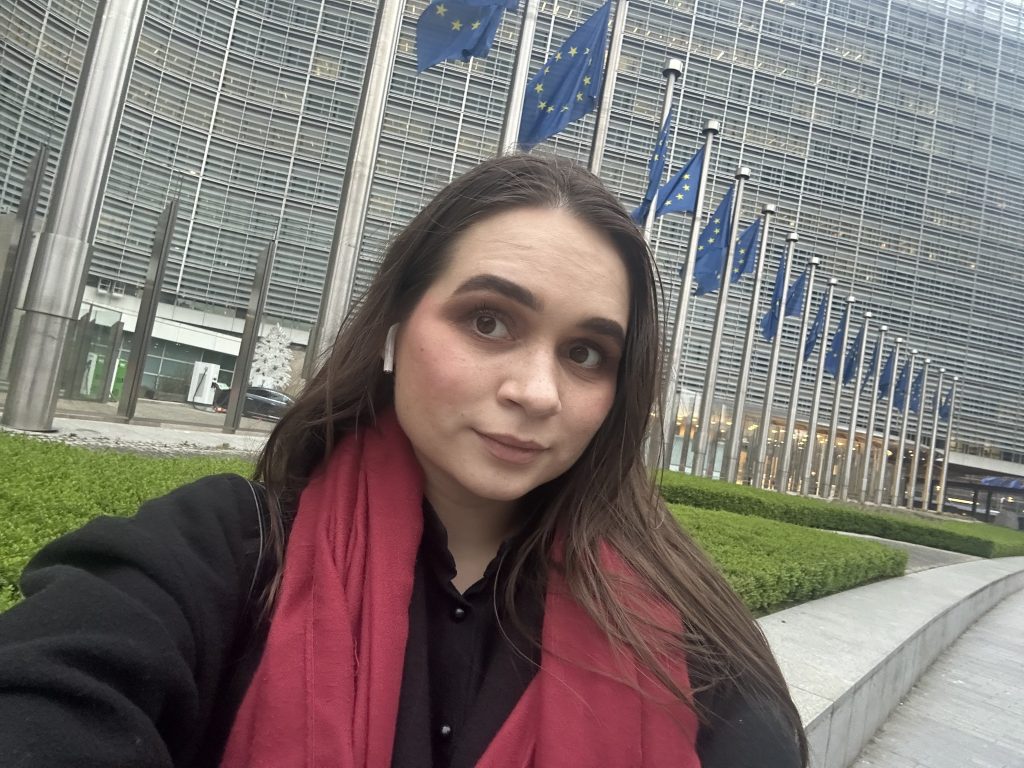
For Ukraine, this lesson is clear: communication with society is as important as technical compliance. If citizens see that EU-related reforms improve employment services, recognition of diplomas, or access to social protection, support for accession will remain high. If not, motivation may fade – a risk Ukraine cannot afford.
At the same time, Ukraine’s situation is unprecedented. No other candidate country has had to pursue accession in the middle of a full-scale war. While working on different parts of the screening – from employment and social policy to recognition of qualifications – I saw how ministries were drafting negotiation positions while also addressing wartime challenges. These efforts were often carried out with severely limited human resources, as many qualified specialists had left public service or were reassigned to urgent wartime tasks. Despite these constraints, institutions managed to keep the process moving forward – a combination of resilience and strain that makes Ukraine’s accession path both extraordinary and extremely challenging.
The latest Enlargement Report confirms both strengths and challenges. It praises Ukraine for reforms in judicial governance and anti-corruption even during the invasion, but also underlines the need to resume stalled civil service reforms and improve public administration capacity. These findings echo lessons from Croatia and the Western Balkans: institutional strength and implementation are decisive.
For me, being part of Ukraine’s accession preparations has been more than professional work – it has been proof that enlargement in the 21st century is no longer only about extending the EU’s borders. It is about strengthening Europe’s resilience, solidarity, and ability to adapt in times of crisis.
Unlike previous enlargements, Ukraine is integrating while simultaneously defending European values on the battlefield and rebuilding a country in ruins. This is why our accession matters not only for us, but for the EU as a whole.
If earlier enlargements were about completing Europe, Ukraine’s path is about protecting and renewing Europe. It shows that membership is not only a reward for reforms, but also a shared responsibility to uphold democracy, solidarity, and resilience.
As a person who has seen this process from the inside – from self-screening to bilateral discussions – I believe Ukraine is not just joining the European Union. Ukraine is helping to shape its future.
This blog is the last in a series of three articles by Dariia Andriunina around the theme ‘Ukraine and the EU: Lessons and Perspectives’. You can read the first two articles here:
From screening to negotiations – how Ukraine is aligning with the EU acquis
Why the free movement of workers matters for Ukraine’s EU future
LATEST
A message from the YED Coordinators
My personal experience as a Young European Diplomat viewing the EU for the first time
A blueprint for enlargement: what we can learn from Moldova, Ukraine, and Montenegro
Young European Diplomats Club
Europe is more than the EU – it’s a practice. On Europe, belonging, and the quiet power of those who refuse to wait

The information on this site is subject to a Disclaimer and Protection of personal data. © European Union,
