Connections
Magazine 2024




Introduction
Dear reader,
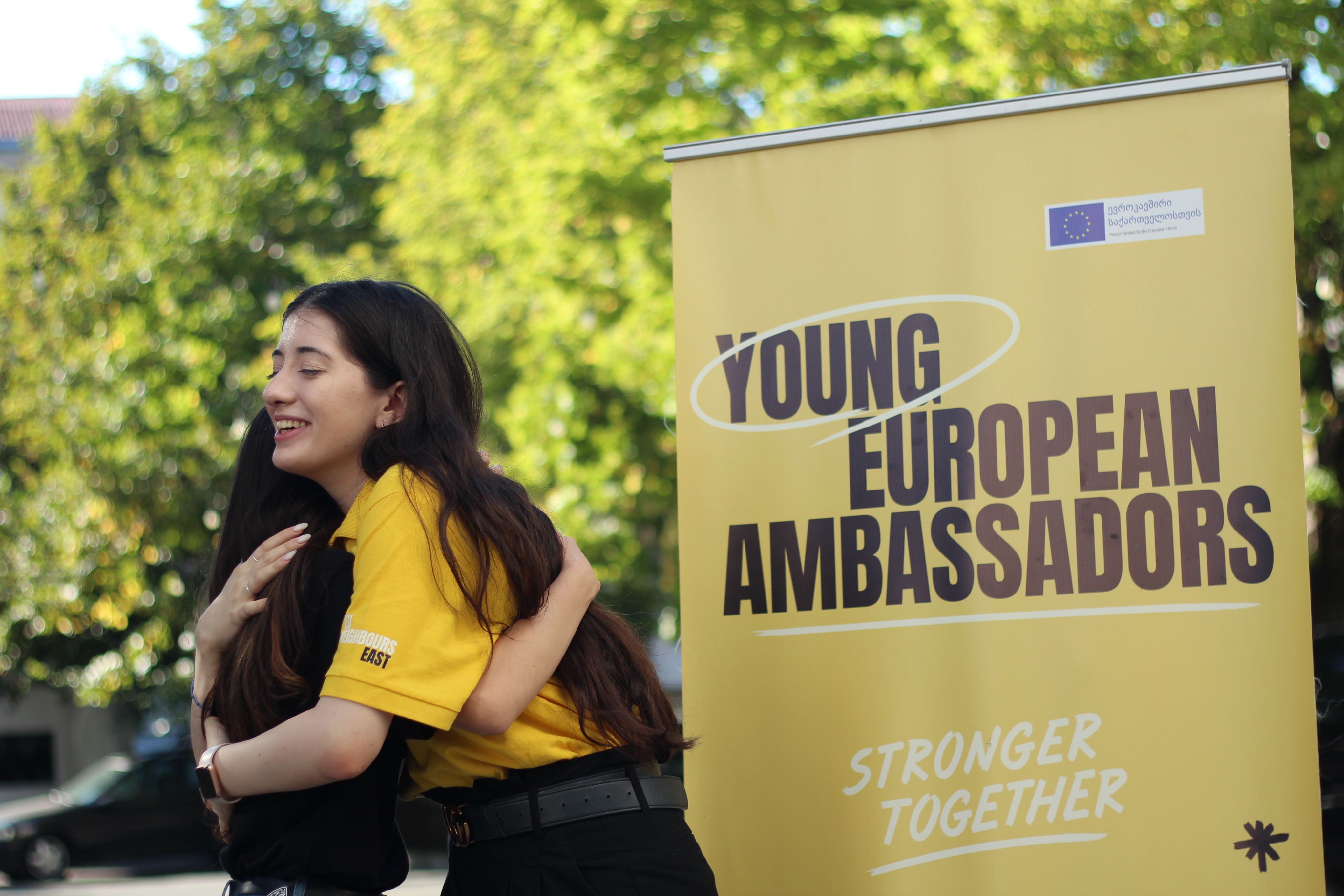
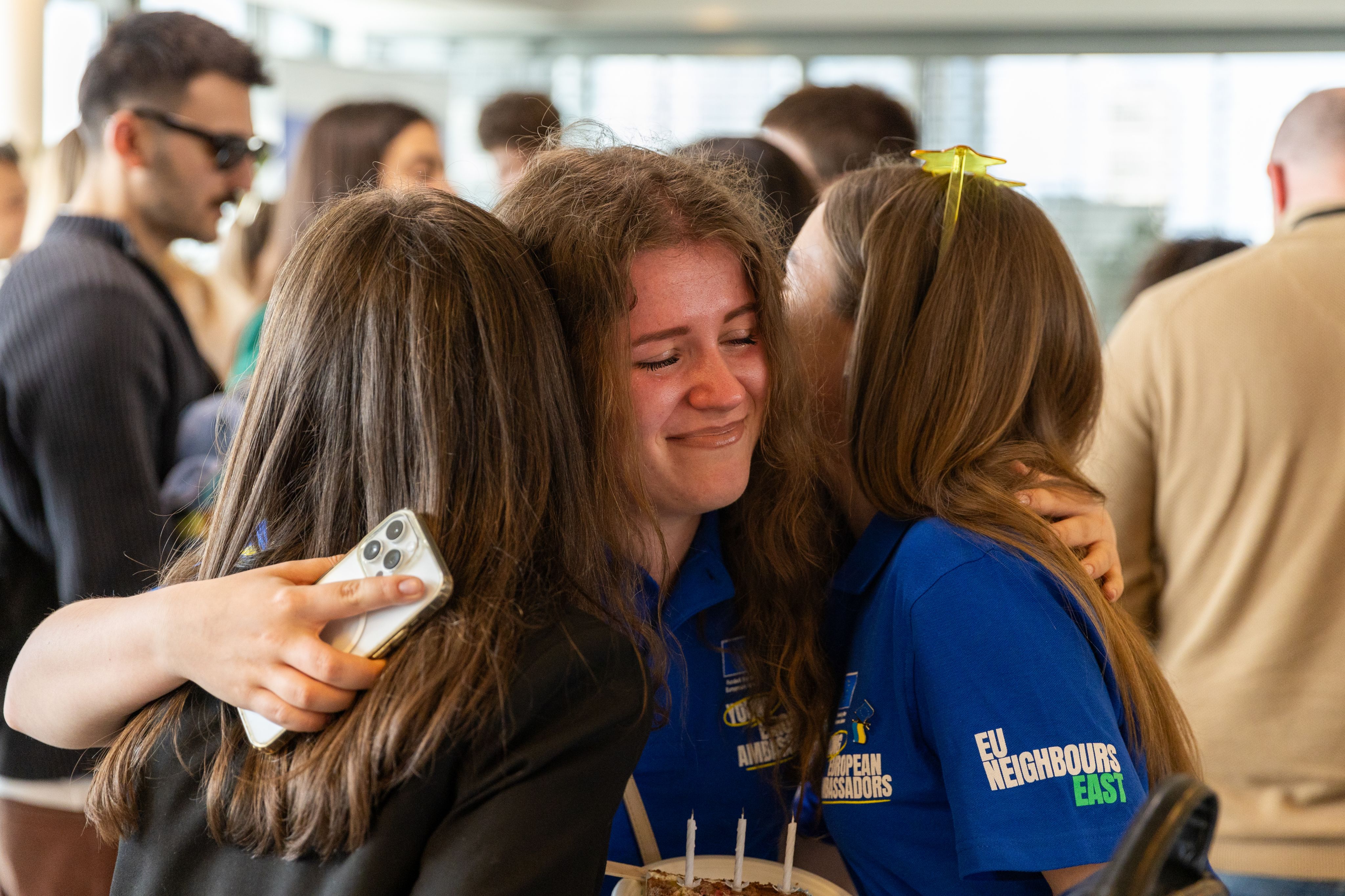
We are proud to present the fourth edition of the Young European Ambassadors (YEAs) Magazine for this year. Written by YEAs from across the EU, the UK, and the Eastern Partnership countries of Armenia, Azerbaijan, Belarus, Georgia, Moldova and Ukraine, are 29 articles covering an array of topics on our 2024 theme of ‘connections’ - a concept close to the core values of our network and what it means to be a YEA.


Our YEAs have taken this theme and worked on what ‘connections’ mean to them: from activism to Erasmus experiences, national identity to shared history. As you read, we encourage you to reflect in turn on what the theme of ‘connections’ means to you.
Over the past several months, our YEAs have worked tirelessly as writers, editors, and coordinators to produce what you are currently reading. The result is a magazine that is filled with the creative talents and inspiring voices of our YEAs. We are thrilled by the finished product and hope that you will enjoy reading it.
The EU/UK Young European Ambassador Board
Elsie Haldane, YEA Magazine Coordinator, Maria Pia Napoletano, EU,UK and Belarus YEAs Coordinator, Ebba Fagerlund, EU,UK and Belarus YEAs Community Manager, Freya Proudman, EU,UK and Belarus YEAs Mentorship Facilitator
Board members (2023/2024) Moritz Clauder, Patricia Raposo, Anna Romanovská

Index
Section 1: Connecting identities
Section 2: Connecting experiences
Section 3: Connecting countries
Section 4: Connecting communities
Section 5: Connecting cultures
Section 6: Connecting histories
Section 7: Connecting futures
Connecting Identities




The power of connections
By Salome Svanidze - an excerpt
Why global connections are a key driver for positive change
Exploring the power of connections is like uncovering a hidden treasure chest.
We've all heard about the idea, but do we truly grasp its importance? Every day, we connect with many people – family members, colleagues, friends, acquaintances, even strangers. Sometimes, we don't even realise how much these connections mean to us, and we might even take them for granted. Nevertheless, life without them would definitely be mundane.
But what about connections on a more global scale?
I truly believe that the essence of connections lies in their remarkable ability to broaden our horizons and encourage us to think out of the box. One of the cornerstone events in my life that made me acknowledge this concept was my Erasmus+ experience back in 2020, when I had the unforgettable experience of living among almost 15 diverse nationalities.



We are united in diversity
By Giordano Cani
Reflecting on the history of the European Union, Giordano Cani discusses what it means to young people and urges them to not take it for granted.


Navigating Cultural differences
By Nigar Hasanova
Leadership and communication are crucial skills that the YEA network fosters. Nigar Hasanova shares some tips on developing these skills as a young leader.

Connecting through languages
By Pedro Mangani Wuthrich
Language enthusiast Pedro Mangani Wuthrich comments on the importance of learning languages to facilitate connections, within the YEAs network and beyond.
Connecting experiences




Culinary Diplomacy
by Andrei-Dragoș Tarța - an excerpt
How can culinary diplomacy enhance bridge building in Europe and protect culinary traditions of Eastern Partnership states?
When we think of diplomacy, our mind often jumps to high-level summits between formally-dressed diplomats and intense negotiations.
But what we tend to forget is the fact that we are all diplomats in our own ways. In this era of endless interconnectivity, where we interact with different cultures on a daily basis, every single citizen can be a diplomat, sharing culturally meaningful aspects of their society with their peers and exploring and understanding cultural differences. Taking into account the ease of travel across Europe, it is not uncommon to experience various cultures through journeys to all corners of the continent, interacting directly with most aspects of life in a country or region.


The power of active listening
By Pablo Lorenzo Esteve
Pablo Lorenzo Esteve describes the development of their active listening skill during their time as a YEA, and its importance to developing high-quality connections with others.

Greece: a nation of contrasts
By Dimitri Roussis-Kalpidis
Dimitri Roussis-Kalpidis argues for the potential of young people on building a positive future for Greece, reflecting on YEA activities organised by Greek young people.

Erasmus+ short term projects
by Lidiia Lychahina
Lidiia Lychahina argues that short-term Erasmus experiences can be extremely fulfilling, and shares advice on how to make the most of the experience.

People make history
by Victoriia Pustova
Victoriia Pustova shares the testimonies of three Ukrainian YEAs about their journeys within the initiative, what they have learned, and how they have grown.
Connecting countries


More than cousins
by Sofia Camaglia - an excerpt
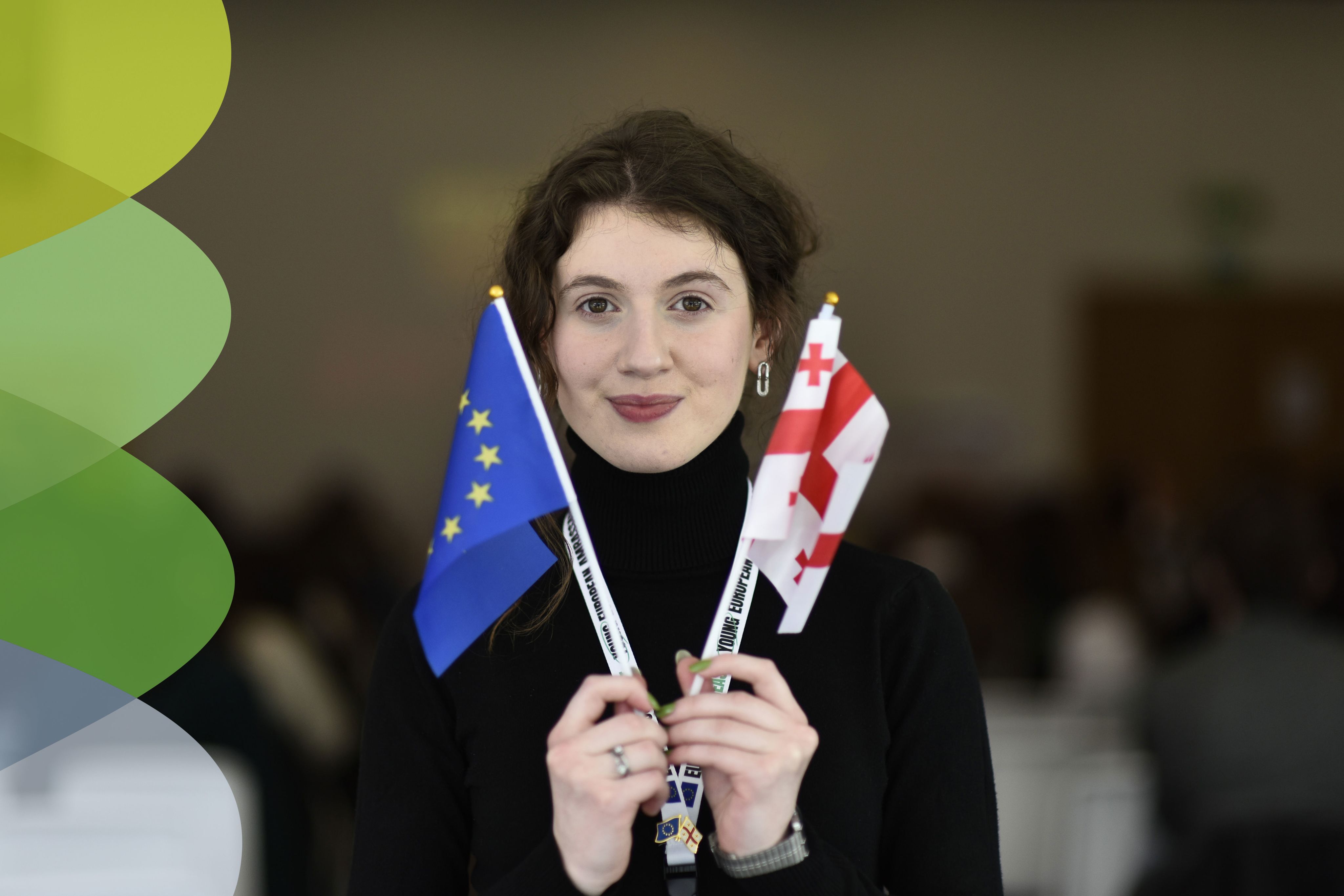
More than cousins: an Italian discovering Georgia
Exploring the power of connections is like uncovering a hidden treasure chest.
We've all heard about the idea, but do we truly grasp its importance? Every day, we connect with many people – family members, colleagues, friends, acquaintances, even strangers. Sometimes, we don't even realise how much these connections mean to us, and we might even take them for granted. Nevertheless, life without them would definitely be mundane.
But what about connections on a more global scale?
I truly believe that the essence of connections lies in their remarkable ability to broaden our horizons and encourage us to think out of the box. One of the cornerstone events in my life that made me acknowledge this concept was my Erasmus+ experience back in 2020, when I had the unforgettable experience of living among almost 15 diverse nationalities.


How Interrail brings young people together
by Nico Preikschat
The power of Interrail to develop connections (and not just on the railway) is explored in this experience shared by Niсo Preikschat.

Erasmus+ expanding connections
Kamran Aliyev and Margarita Chencheci
Kamran Aliyev and Margarita Chencheci come together to share their experiences as part of Erasmus+ programmes.
Apricots and Hora dances
by Tannaz Gawkisi
Identity through song: Tannaz Gawkisi argues that Eurovision provides an opportunity to embrace the diversity of cultural expression within Europe.
Connecting Communities


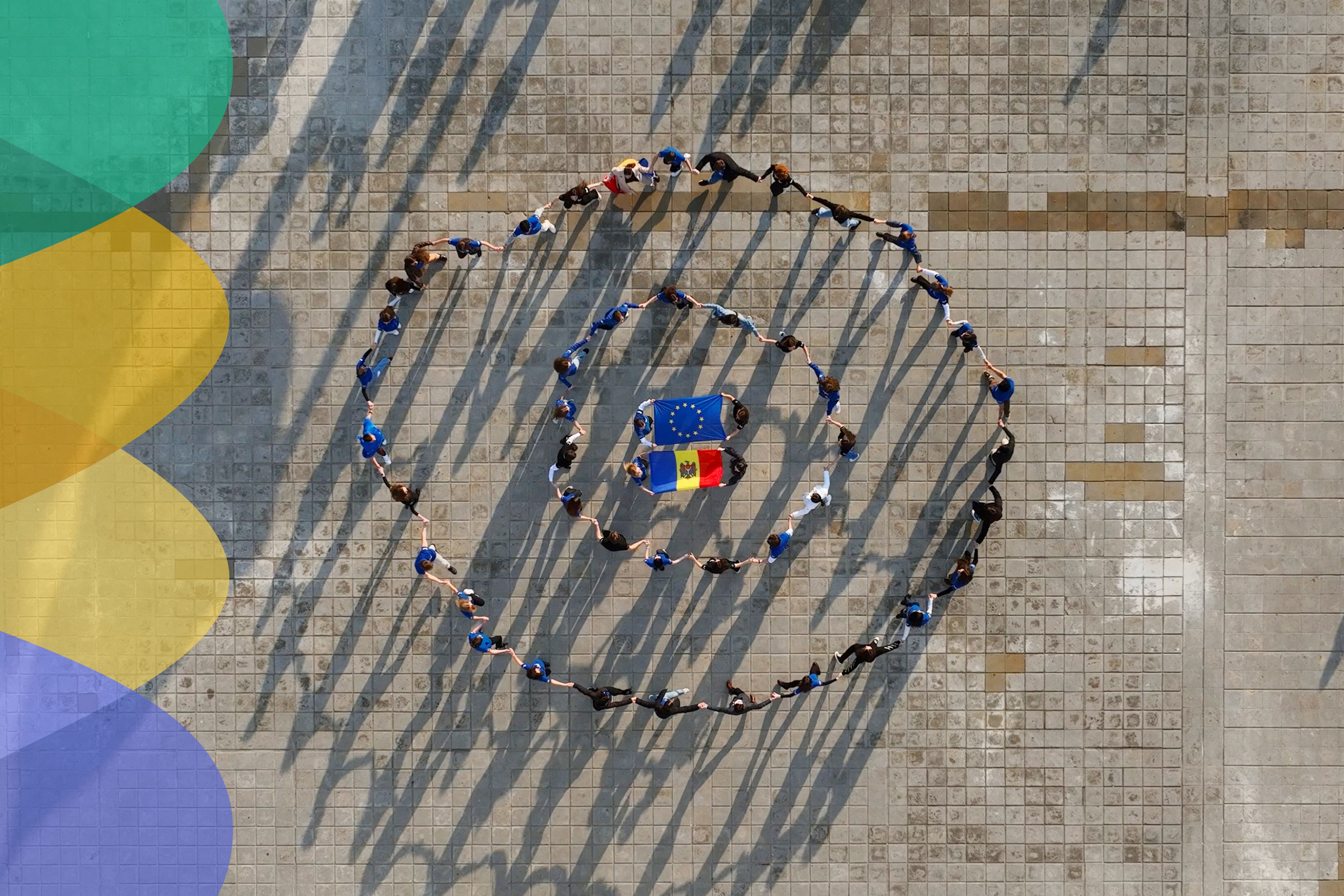
How fire spreads
By Andreea Chilaru - an excerpt
Determination within Moldova’s young activist community
Moldova is a small slice of land in Eastern Europe, nestled between Romania and Ukraine. It is a beautiful and vibrant country, filled with picturesque nature and wholesome traditions. But what makes it truly special is the tight-knit young activist community working at its core to improve our society and make it a brighter place.
The thing about us Moldovans is that if we start something, we are not likely to stop halfway. That is why the most active people in our community are all friends, or at least we know each other, and we all compete, pushing ourselves constantly beyond our comfort zones.
My initiation meeting in the YEAs’ programme was very much a fever dream. I entered the room, and everybody seemed familiar. I found myself saying things like “Have I seen you before?” and “Weren’t you at that reception at the ambassador’s residence?” Lots of people kept coming up to me, asking me how I was doing, all while I sat there and desperately tried to understand where they knew me from and why their faces were so familiar. And while it was a disorienting experience, it was not an uncommon one.


What is an empowering community?
by Yuliia Shulikova
The importance of seeking out a community, and tips for doing so, are presented in this piece by Yuliia Shulikova.
Community in a digital world
by Hanna Leshchenko
With connections now being as much digital as in-person, Hanna Leshchenko shares her views on the world of online communities.

Empowering Young People
by Mariam Samukashvili
Mariam Samukashvili discusses the importance of supporting young people through initiatives, programmes, and facilitating connections.
Connecting cultures


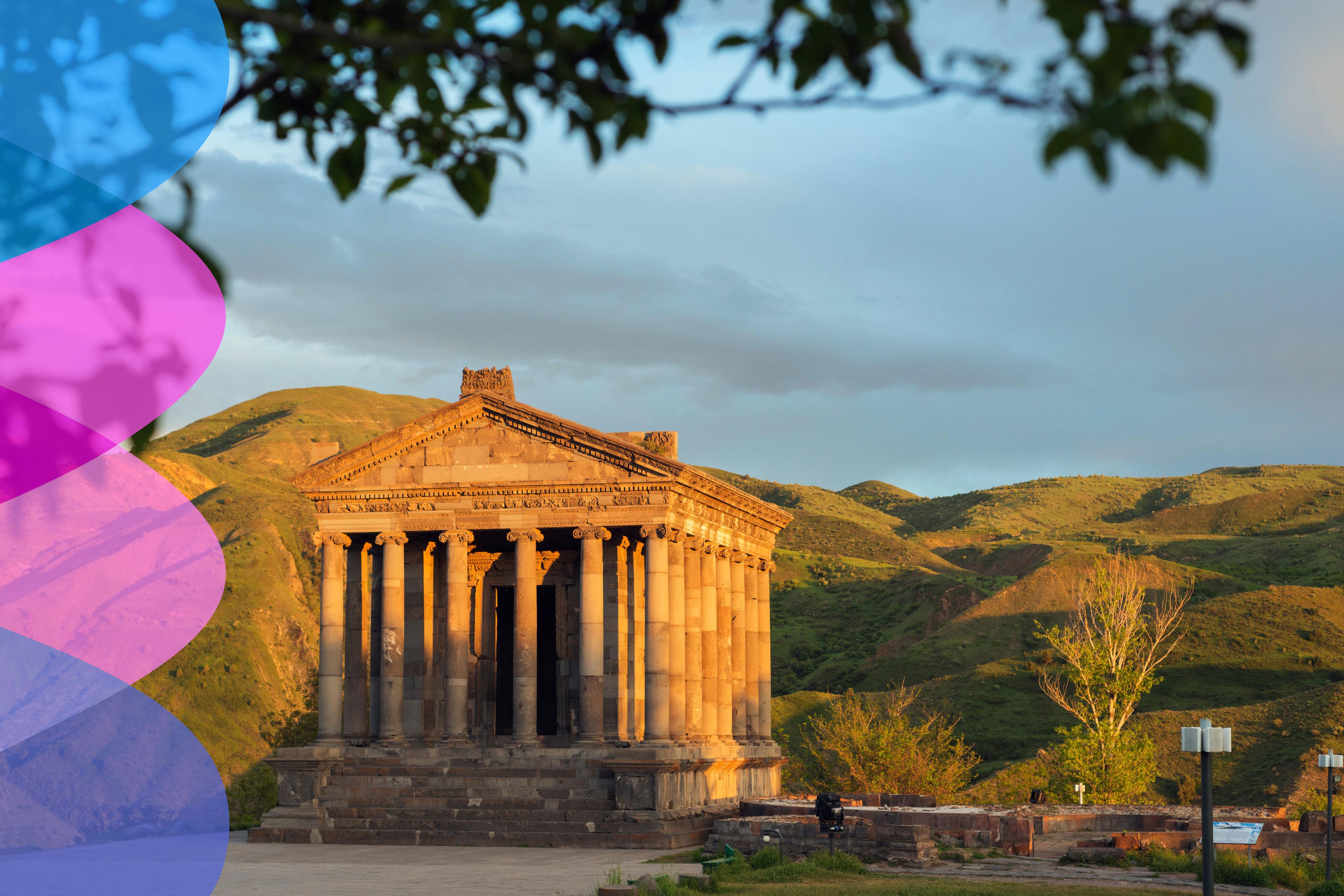
Armenia's rich cultural heritage
by Damla Ceyda Uzun - an excerpt
Armenia’s rich cultural heritage - a journey through different times and civilisations
Armenia is a small country in the Southern Caucasus that is a traveller’s paradise. Discovering Armenia, the visitor will connect to different times and cultures. Strolling around the capital city Yerevan, which is considered one of the oldest cities in the world, the rich cultural heritage of the country can be seen in a variety of traditional restaurants, markets, the opera house, and theatre, or in some of the traditional shops selling unique carpets.
Driving out of the capital and passing through villages of small and traditional houses, it seems as if time has stood still. The presence of ancient temples and monasteries reflects Armenia’s rich history and connection with ancient civilisations. Spending two weeks in Armenia as an exchange student felt like being at the crossroads between East and West, as well as modernity and tradition.
Taking a look at Armenia today, it is considered as a country of the East, culturally and politically. Many factors contribute to this perception: besides its geographical position are its recent history and Soviet heritage. But looking back in history, Armenia played a far more central role in the European world. Looking back, we see how Armenia has been influenced by many cultures and civilisations.


On the way to Europe
by Mariia Arshynnikova
Mariia Arshynnikova reflects on the challenges and changes that Ukraine faces on its path to joining the EU.
The spirit of Zaporizhzhia
by Sofiia Muraviova
Ukrainian spirits remain broken despite Russian aggression. Sofiia Muraviova discusses the Ukrainian YEA community in Zaporizhzhia, and an event they held to support young people.

Staying connected
by Charlie Allen
Charlie Allen looks back on the day of the Brexit referendum result, highlighting the importance of connections between the UK and Eastern Partnership countries.
Connecting histories


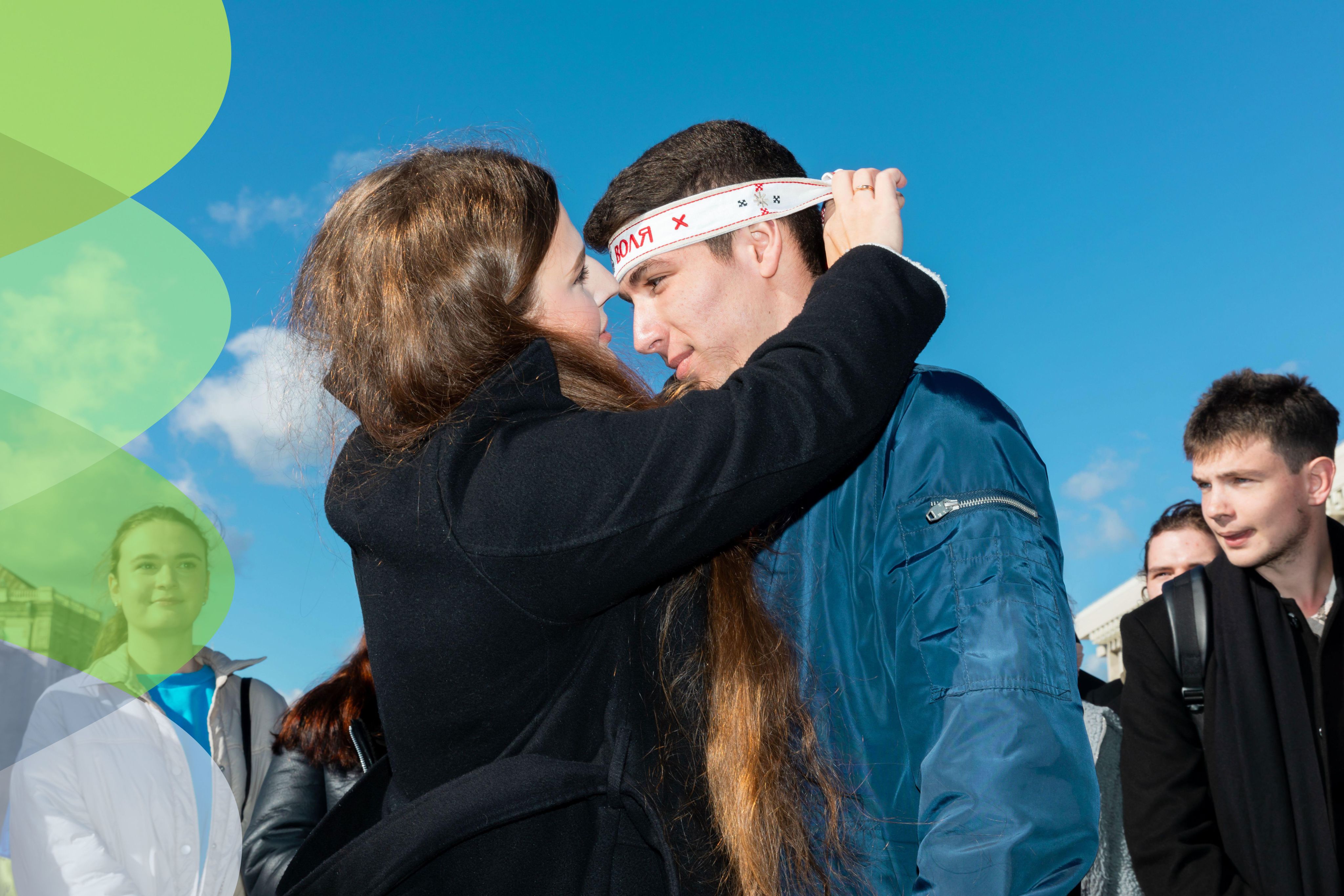
Revolution on Granite
by Kateryna Kalyta - en excerpt
The Revolution on Granite in 1990: how Ukrainian youth defied the Soviet Ukraine
The Revolution on Granite (named after the paving stones on which the protesters’ tents were pitched) was a student protest that broke out in Ukraine in 1990 and played a great role in spreading principles of human dignity, freedom, democracy, equality, the rule of law, and human rights. It is seen as one of the most successful youth protests in the history of Ukraine, and one of the founding events that sowed the seeds of an independent Ukraine.
The revolution was a campaign of large-scale, non-violent actions, organised by Ukrainian youth, mainly students, which lasted from 2-17 October, 1990. The core of the protest was the student hunger strike in the tent city on October Revolution Square in Kyiv. The protesters were constantly going to the Verhovkna Rada, the Parliament of Ukrainian SSR, and the leaders of the activists were invited to the session of the Parliament to present the demands of the Revolution. Afterwards, the Revolution gained the support of Kyiv National University, the Kyiv Polytechnic and universities in Lviv and Ivano-Frankivsk.
In total, the revolution lasted for 16 days during which 298 students and nine deputies joined the strike.


Fostering connections with Erasmus+
by Aleksandre Sivolapovi
In this article, Aleksandre Sivolapovi interviews young people who have experienced the Erasmus+ exchange with Georgia.
Harmonising heritage in a European melting pot
by Pəri Abbasli
Pəri Abbasli reflects on their experiences of national identity with colliding and combining cultures across Europe.
Strengthening connections
by Daria Hrosul
The importance of building partnerships and cooperation between government institutions and civil society is explored in this piece by Daria Hrosul.
Connecting futures


What are constitutional amendments?
By Artemij Vashkevich - an excerpt
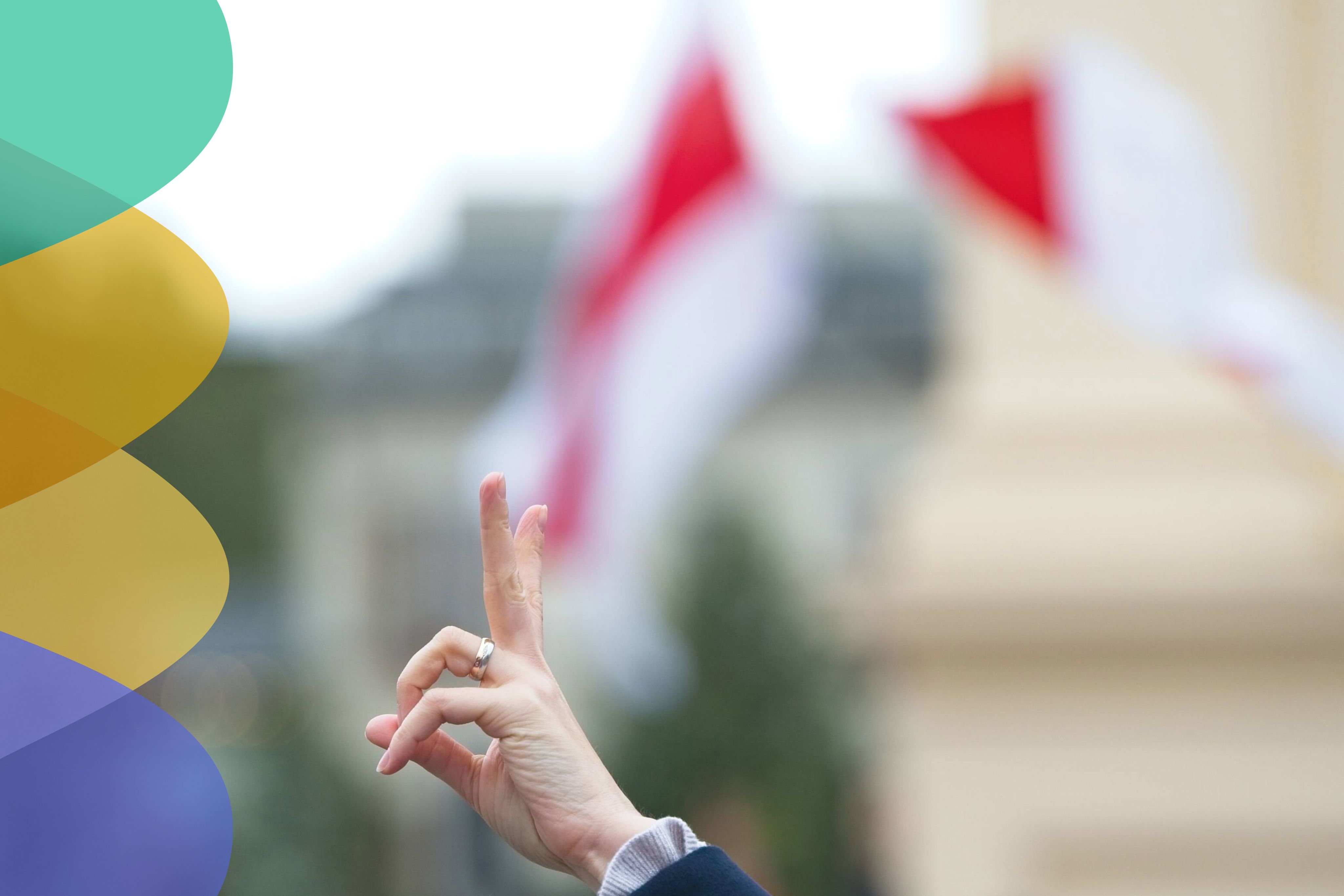
It is generally believed that the role of constitutional amendments ends when the adoption of a new constitution is required. Thus, "typical" amendments are used to solve specific problems without violating the integrity of the constitutional order. For example, all the states of the European Union have brought their constitutions in line with the requirements of the modern integration process.
In general, amendments usually do not contradict core values such as democracy, the rule of law, or respect for human rights. However, history shows that even stable democracies can propose destructive constitutional changes. And although such initiatives usually do not go beyond parliamentary meetings, there is no guarantee that they will not be implemented.
Based on Belarusian experience and the experience of our neighbours from Russia, for many Belarusians the concept of “constitutional amendments” sounds like something negative and even provocative. Since independence, such amendments have been made not to improve people's lives, but to achieve the ruling elite's own interests. For example, in 1995, Alexander Lukashenko held a national referendum on changing the national symbols, replacing the white-red-white flag with the red-green one used in Soviet times, which violated the current Constitution, which stated that a referendum should not be held on this issue.


Georgia's experience on its path to Europe
by Anuki (Meriko) Gogidze
With its recent candidate status, what does the path to EU membership mean for Georgia? Anuki Gogidze discusses.
An interview with Michael Roberts
by Yelyzaveta Khodorovska
Yelyzaveta Khodorovska interviews former British Ambassador and Diplomat Michael Roberts, to find out more about EU accession.

The importance of dialogue
by Viktoriia Kukyniak
Viktoriia Kukyniak, Yan Earl-Ruzhytskyi and Ruslan Hrabovskyi, highlight youth participation in Ukraine, and the need to empower young people.
Thank you to the Editors


Download the magazines
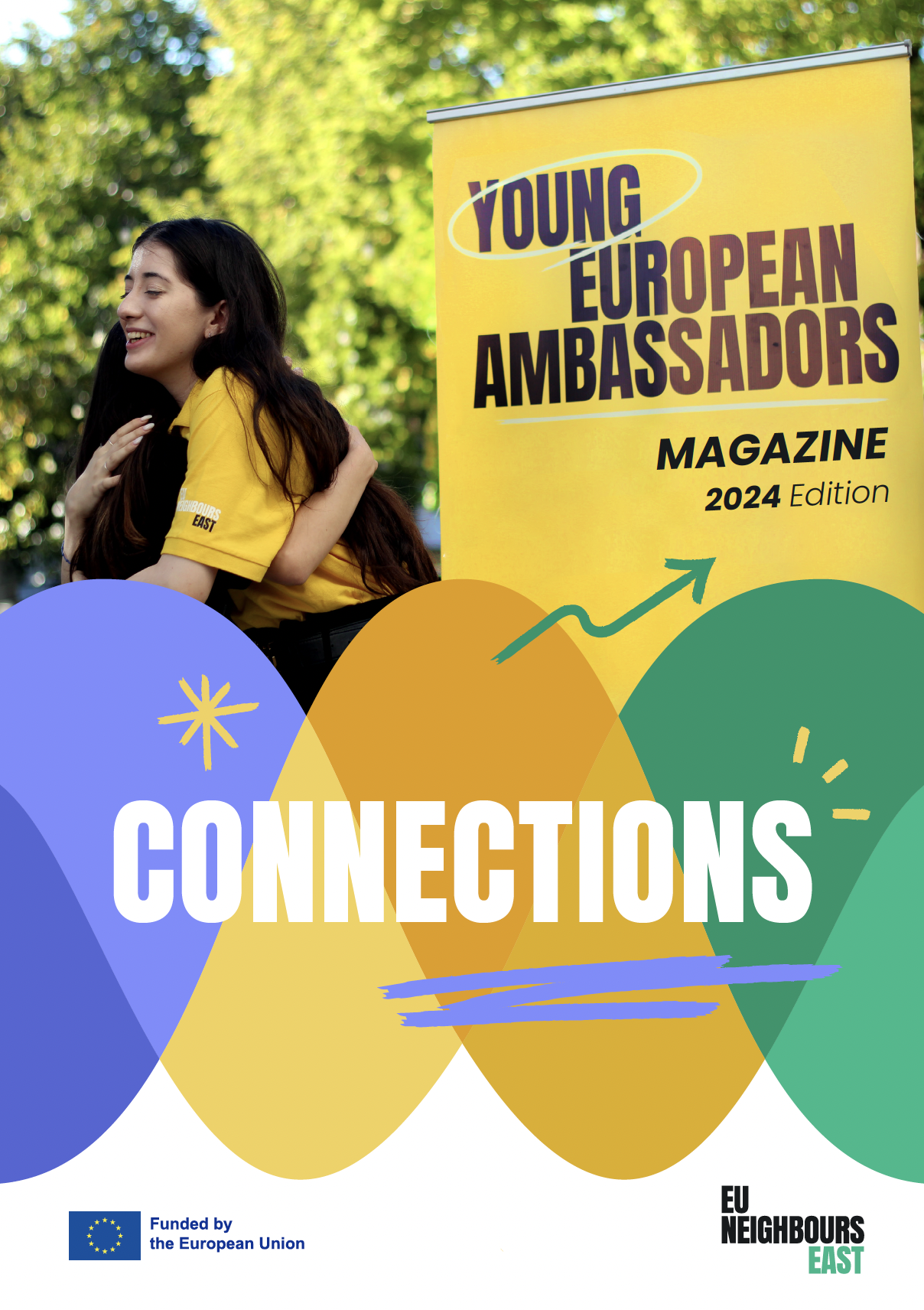
YEA Magazine 2024
For the 2024 edition of the magazine, YEAs worked on what ‘connections’ mean to them: from activism to Erasmus experiences, national identity to shared history. As you read, we encourage you to reflect in turn on what the theme of ‘connections’ means to you.

YEA Magazine 2023
In celebration of 2023, the European Year of Skills, this magazine was dedicated to this topic. The articles cover an array of subjects including, multilingualism, geography, the arts, environmental sustainability, media literacy, the workforce, and education.
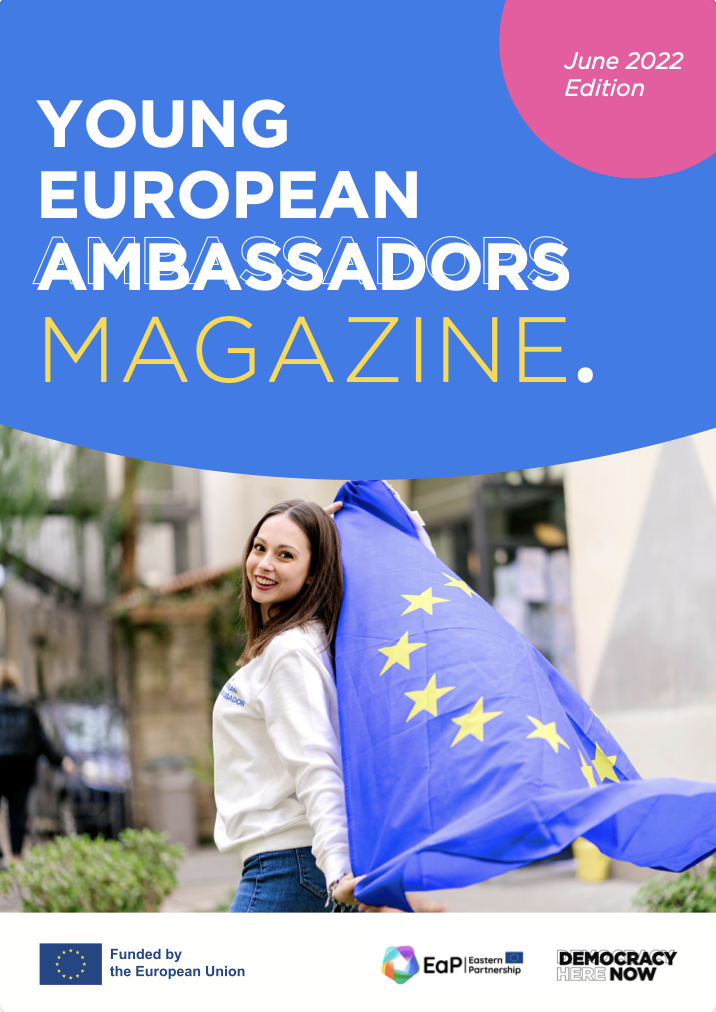
YEA Magazine 2022
This magazine focused on the European Year of Youth. The articles highlight how meaningful youth participation is essential to a healthy and democratic society, and that young people are the heart of society and should be at the centre of decision-making.
YEA Magazine 2021
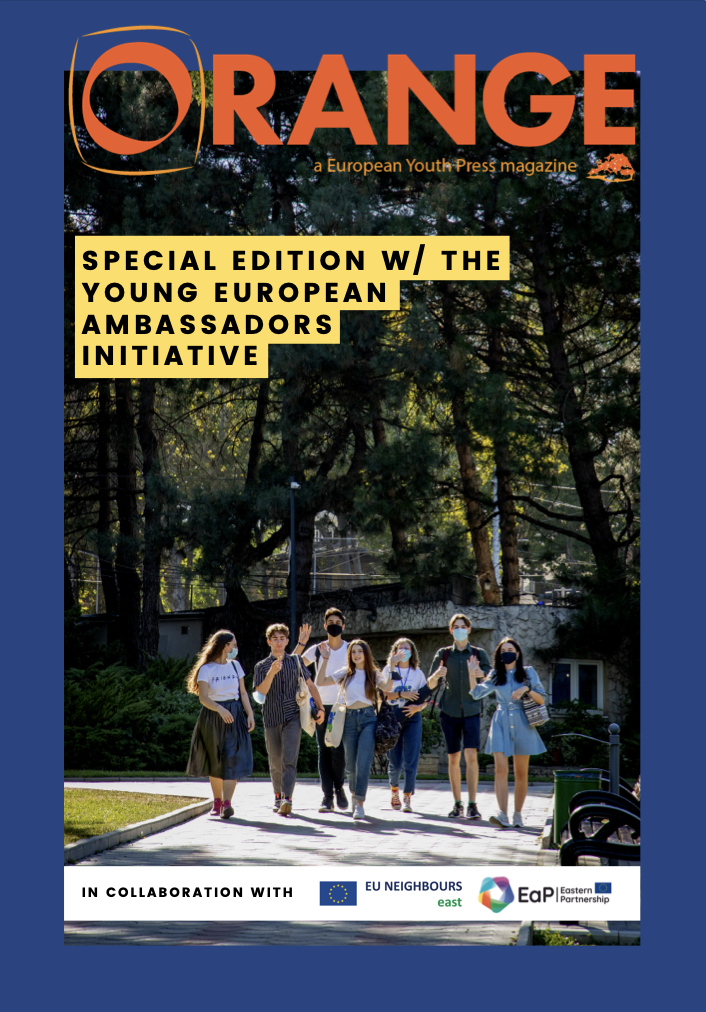
The first YEA Magazine was a special edition of the ORANGE Magazine, by European Youth Press (EYP), a project to support young journalists. Articles covered cultural and economical aspects of their countries, giving new insights into the Eastern Partnership.
To find out more about the YEA magazine, contact: [email protected]
 Built with Shorthand