

My personal experience as a Young European Diplomat viewing the EU for the first time
The current geopolitical reality in Europe is changing in ways we haven’t experienced since the fall of the Berlin Wall. As indicated by the theme chosen for this year’s magazine, EU enlargement is no longer just an idea, but a necessity for ensuring stability in Europe. By considering the possibilities for Europe’s future and focusing on our common identity, we will more easily highlight the direct relationship between the European Union and Eastern Partner countries, and the geographical and political space will become our own.
During a recent classroom discussion about the geopolitical landscape of our continent, carried out in the framework of the YEAs’ Young European Diplomats (YED) action in Greece, our YEA and YED Coordinator, Dimitri Roussis-Kalpidis, made a timely reference to the fall of the Berlin Wall. While this event historically marked the end of an era, we found ourselves wondering: what are the modern “walls” that impede our stability?
At that moment, I shared a personal thought that changed the course of our discussion. I mentioned that, despite geographical borders, my interaction with young people from the Eastern Partnership (EaP) countries through various YEA events proved to me that we share a common identity. We realised as a class that the enlargement process is not merely a political decision, but a vital necessity for the formal integration of a community of young people who already think and act as Europeans.
Many perceive the enlargement of the European Union as a strictly bureaucratic process evolving in conference rooms behind closed doors. My perspective differs quite a bit from the “general perception”. For me, enlargement is not just about adding new members to the map, but a commitment to safeguarding the stability of our continent, transforming our common geographical space into a unified field of action and identity. The future of Europe lies not only in the decisions of institutions, but in our own ability to highlight the bonds that unite us beyond current borders.
This is where the role of networks like the Young European Ambassadors (YEAs) becomes essential. By participating in such pan-European initiatives, we transition from the role of passive observers to that of active architects of the EU’s future. These platforms allow us to experience firsthand the challenges faced by our peers in the Eastern Partnership. Whether it’s tackling climate change or combating misinformation, our struggles are interconnected. By strengthening these bonds, we ensure that European values such as democracy, human rights, and the rule of law are not just words in a treaty, but lived experiences for every citizen across the continent.
The inclusion of Eastern Partnership countries (Armenia, Azerbaijan, Georgia, Moldova, Ukraine) in the European discussion offers a fresh perspective that is often missing from the Western core. These young people bring with them an unwavering belief in European values, often because they have had to fight hard for them. Enlargement towards these directions is not only a geopolitical move, but also a cultural enrichment that strengthens our collective resilience against global crises.
In conclusion, the enlargement process should be viewed as an “upgrade” of the European software. The “Future of Europe” is a project that requires courage and a vision that looks beyond the status quo. It is our responsibility, as the next generation, to ensure that the doors remain open and that our common political space is defined by solidarity and not by division.
Sources:
Young European Diplomats (YED)
Young European Ambassadors (YEA)
Anastasia Papadaki (YED Student)
LATEST
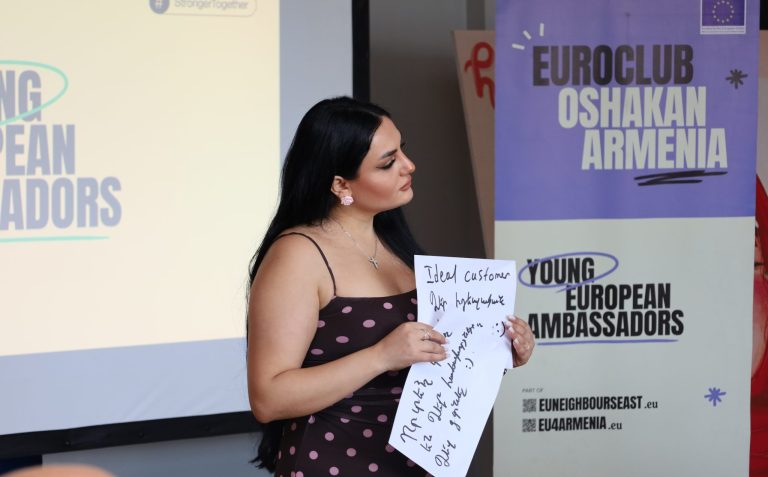
From displacement to enterprise: rebuilding my community through entrepreneurship
A message from the YED Coordinators
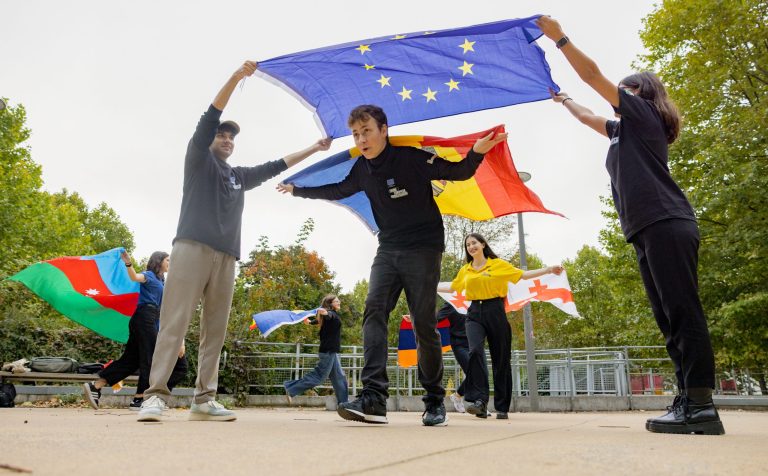
A blueprint for enlargement: what we can learn from Moldova, Ukraine, and Montenegro
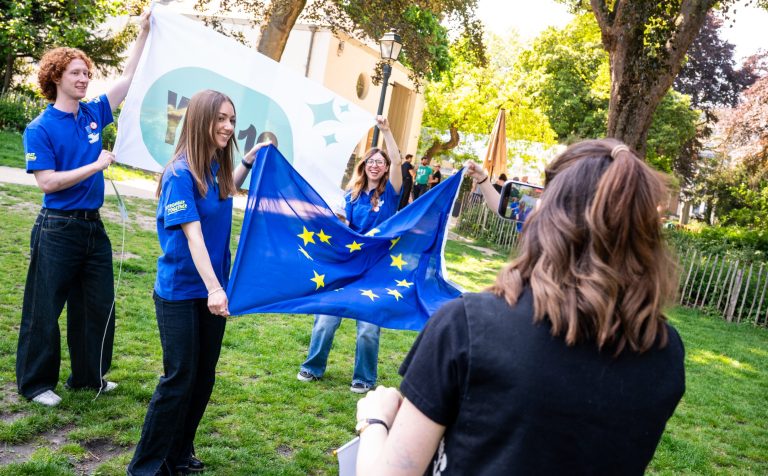
Young European Diplomats Club
Europe is more than the EU – it’s a practice. On Europe, belonging, and the quiet power of those who refuse to wait


The information on this site is subject to a Disclaimer and Protection of personal data. © European Union,
