

‘He feared being sent to the front line’: How a Ukrainian teenager disappeared in Russia
When Russian forces occupied his city in southern Ukraine, Oleh was 17 years old. Orphaned and living with foster parents, he had just started college to become a machine operator. A few months later, he was transported to Russia and never returned. Oleh is one of roughly 20,000 Ukrainian children who have been relocated to Russia by Russian forces since the 2022 invasion of Ukraine.
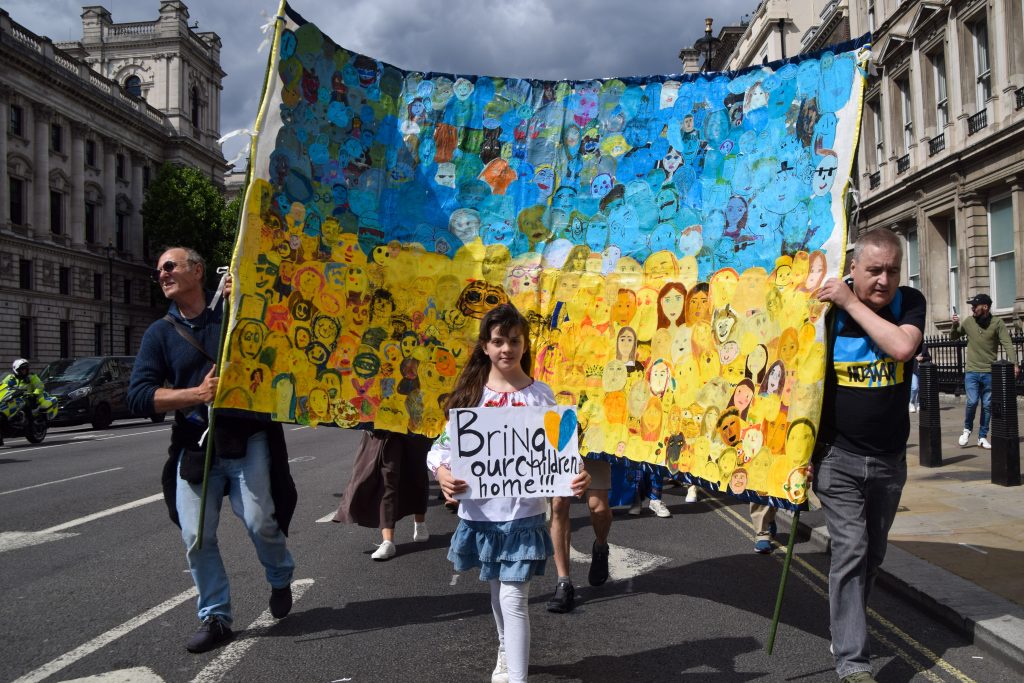
According to the ‘Children of War’ database, many of these children were likely taken by force, against their will. Ukraine, together with its international partners, is working to bring them home, but the process is complex and slow: so far, only around 2,000 children have been returned. Some names in this article have been changed to protect identities.
Reports from Ukrainian officials and human rights organisations
Russia has built an entire system for the ideological re-education, military training, and russification of relocated children. This programme violates the Geneva Conventions and the principles of International Humanitarian Law. Last year, the UN General Assembly called on Russia to immediately and unconditionally return Ukrainian children.
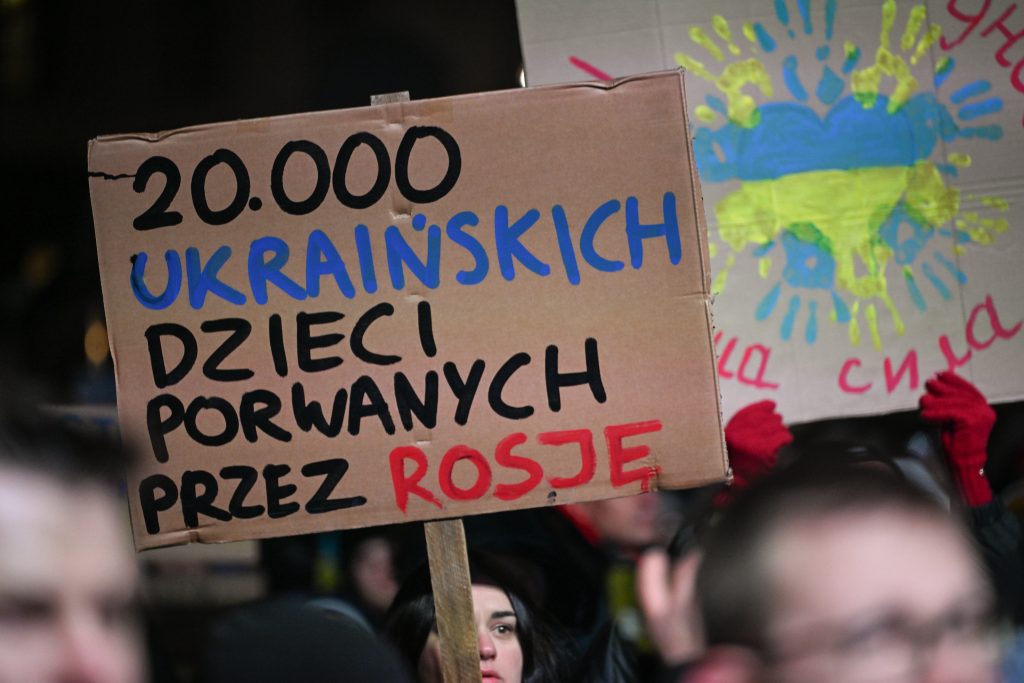
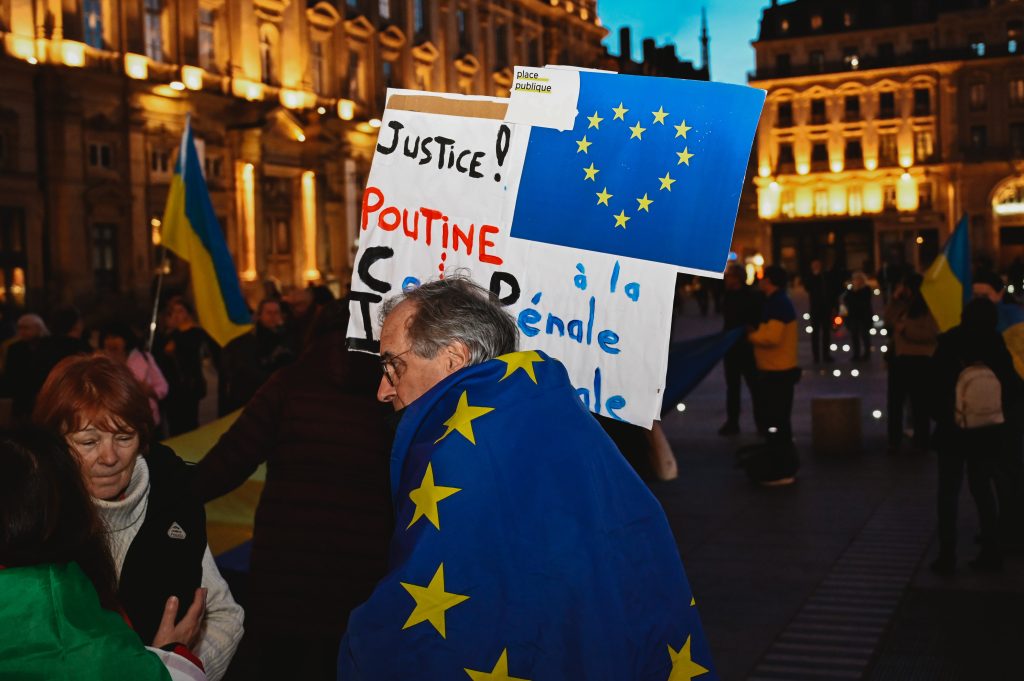
In 2023, the International Criminal Court issued arrest warrants for Russian President Vladimir Putin and children’s rights commissioner Maria Lvova-Belova, while the Parliamentary Assembly of the Council of Europe suggested that Moscow’s actions could constitute the crime of genocide.
Oleh’s case clearly illustrates how Russia targets vulnerable children, leaving them with little choice but to accept Russian citizenship and remain in the country that occupied and destroyed their homes.
‘When the boys tried to argue, they were threatened with weapons’
Ihor Serdiuk, Oleh’s legal guardian and the director of the college he attended, speaks with sadness when recounting the boy’s story. Oleh struggles with a learning disability, which made it difficult for him to keep up with other children. He spent several years in a family-style orphanage before coming under Serdiuk’s care and moving into the college dormitory.
“He was quiet and well-behaved, but a little slow. He was always under supervision, both in the dorm and at the college. We worked closely with him, and a psychologist also supported him,” Serdiuk recalls.
After Russia occupied Nova Kakhovka in February 2022, more than 200 children remained on the college campus under Serdiuk’s care, nearly 50 of whom were in foster care. The college switched to remote learning, and many students returned home. Oleh decided to move in with his older brother, Ivan, who lived in an elderly woman’s home in the city of Beryslav.
By the summer, Russian authorities began taking control of local educational institutions. Serdiuk refused to cooperate and was imprisoned, only being released after he agreed to apply for Russian citizenship. He did so, and then immediately fled abroad.
In the autumn of 2022, Ukraine launched a counteroffensive in Kherson Oblast, and Moscow’s forces withdrew from the western bank of the Dnipro River, where Beryslav is located.
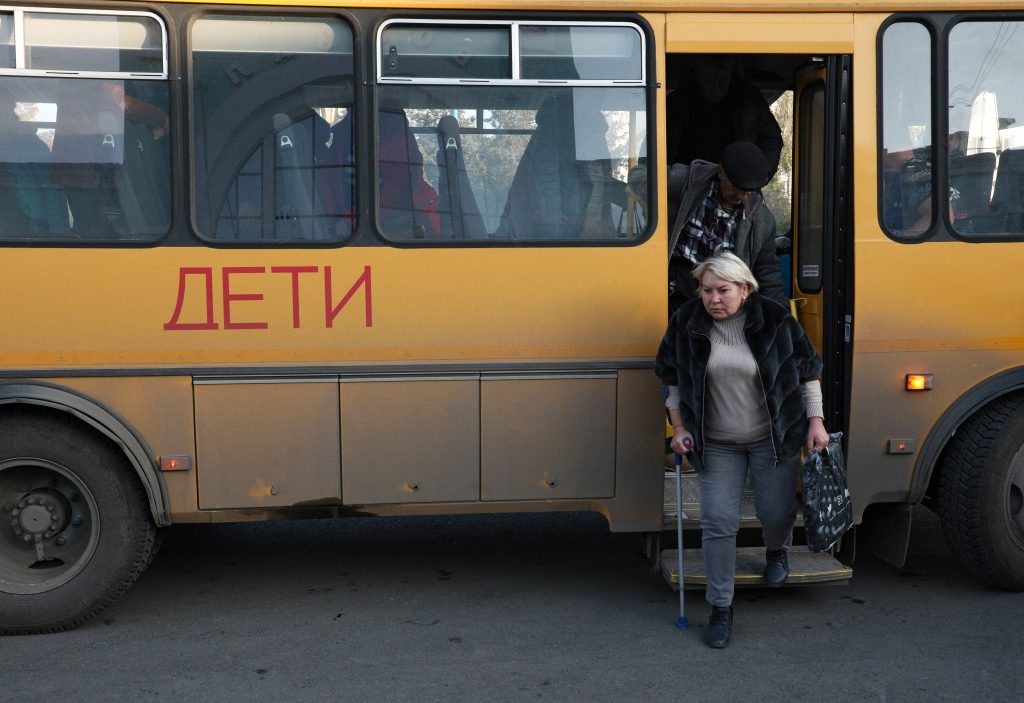
One day, Russian soldiers approached Oleh in a store. According to Serdiuk, they told him that, due to ongoing fighting, an ‘evacuation’ was taking place and that he would be taken to a ‘summer camp’.
In Russian-occupied Ukraine, children are often sent to state-run ‘summer camps’ under the pretext of security, where they are subjected to indoctrination and militarisation. A report published by the Yale School of Public Health in September 2025 notes that Ukrainian children were taken to at least 210 locations in Russia and occupied Ukraine, where they were forced to participate in pro-Russian cultural, patriotic, and military activities.
Oleh was first sent home to gather his belongings. Then the Russian soldiers placed him and Ivan, along with other local children, onto a bus. “When the boys tried to argue, they were threatened with weapons,” says Yuliia, a former education worker from the Kherson region who was also in contact with Oleh.
She and Serdiuk only learned of the child’s transfer when Oleh called them from Russia. The guardian’s consent was never requested, and Ukrainian authorities were not informed of the child’s removal from the country.
A recent report by the Reckoning Project, which documents war crimes in Ukraine in accordance with international law, highlighted that international humanitarian law only permits the evacuation of civilians from occupied territories in exceptional circumstances – when it is justified to protect the civilian population or due to unavoidable military necessity.
“This is a strict threshold that requires absolute, overriding necessity directly linked to military operations in the area, leaving no other feasible alternative,” says Kareem Asfari, legal analyst at the Reckoning Project. “Not only must the conditions of evacuation be met, but the occupying power has the duty to ensure that evacuations are carried out under ‘adequate hygienic, health, safety, and nutritional conditions’, and family members cannot be separated,” the report adds.
The legal and familial rights of children are protected under Article 50 of the Fourth Geneva Convention. Protected rights include family ties and other forms of care, such as guardianship. “If a transfer affects a child’s legal status and existing family relationships without the guardian’s consent, it constitutes a violation of international humanitarian law,” says Asfari.
Juliia does not believe Oleh had any real choice about boarding the bus to the camp. “When armed soldiers come toward you, obviously you have no choice… What choice did those boys really have? Oleh was only 17, and the other boy slightly older,” she says.
The children were taken to Dzhankoi in Crimea, and then to the Vityazevo Marina guesthouse in Anapa. Upon arrival, the siblings were separated – Oleh remained in the camp, while Ivan had to find different accommodation. Oleh later told Serdiuk and Juliia that he disliked the camp. The children’s movement was restricted, and Oleh felt humiliated by the treatment from camp staff.
At that time, around 30 children were at the camp, and each deported child was assigned a ‘supervisor’. According to Juliia, the children attended lessons in the camp, including a series called ‘Conversations on Important Matters’, which promoted ‘patriotism, love, and service’ to the Russian state.
Obstacles to family reunification
Over time, parents and guardians went to collect most of the children, but those they could not reach were told they would be sent to Nova Kakhovka and forced to fight against Ukraine if their guardians did not come, Juliia recalls.
Oleh was soon turning 18 and feared being conscripted into the Russian army. “He was confused and terrified; he didn’t know what to do. He cried and called constantly, saying: ‘They will send us to the slaughterhouse’,” Juliia remembers.
At the time, Juliia was living under Russian occupation and feared the consequences of refusing to cooperate with the occupiers. According to Juliia, the only thing she could do was forward Oleh’s message to the school principal.
Eventually, Oleh and Ivan were placed in the care of an unknown man in Anapa, Russia. When Serdiuk asked about it, Oleh could not coherently explain how they ended up at the man’s house. Two other children deported from Kherson were also placed there but were later returned to Ukraine by their parents.
Oleh asked his guardian to bring him home. Under Russian regulations, Serdiuk would have had to go in person. However, after his previous imprisonment, Serdiuk feared being arrested again and sought a solution to return Oleh to Ukraine from Anapa without travelling. He reached out to a UN body and the Ukrainian police, but neither could facilitate Oleh’s return.
In a submission to the UN Committee on the Rights of the Child, the Reckoning Project noted that during the forced transfer of children to Russia, ‘parental consent was usually obtained retrospectively, or violated, for example by prolonging the children’s stay or creating unjustified logistical obstacles for families seeking to reunite with their children’.
“These obstacles include requiring guardians and parents to travel themselves to the ‘recreational camps’, which is often very difficult; presenting specific and seemingly arbitrary documents, such as birth certificates, before the child can be released; submitting various procedural requests to schools under occupation; and much more,” explains Asfari. He adds that by creating these obstacles, Russia violates the principles of international humanitarian law, which mandate the respect and protection of family unity.
Current situation
While Serdiuk was trying to find a way to bring Oleh home, the boy remained in occasional contact with the college and sometimes completed his homework. For roughly nine months, he continued to receive state financial support as a child living without parental care, through his Ukrainian bank card.
At some point, Oleh stopped studying and lost contact with the college. At the end of 2023, he called a college employee in occupied Ukraine from a Russian phone number, explaining that he no longer had access to his Ukrainian SIM card.
By then, Oleh’s older brother had already obtained Russian citizenship and found work, and the now 18-year-old Oleh said he planned to do the same.
In January 2024, Oleh was expelled from the college. According to Juliia, who managed to get in touch with him last year, he is likely now living with his brother in Russia’s Republic of Adygea. The details of his current life, however, remain unclear.
This story was written in collaboration with The Reckoning Project, an initiative that brings together journalists, researchers, data scientists and legal experts to document war crimes, build legal cases, and combat disinformation by using reliable media outlets. The European Union last year reinforced its support for The Reckoning Project.
Author: Dinara Khalilova
The original article was published in Hungarian by Atlatszo.hu
MOST READ

SEE ALSO
From idea to energy: how Kyiv youth are developing the ‘energy willow’ project
A space where science comes to life: how an interactive museum in Ternopil is inspiring the community
‘Europe became real faces and real stories’: Young European Ambassadors look back on ten years of friendships and community projects
War is reshaping medicine in Ukraine
When dreams return from war: how veteran Andrij Kaspshyshak is developing a publishing house


The information on this site is subject to a Disclaimer and Protection of personal data. © European Union,
