

‘We want young people with special educational needs to have a job to sustain themselves’
Every year, the municipality of Bălți in Moldova registers about 600 children and young people with special educational needs (SEN). Without professional guidance and support, many of them face the risk of being left without employment or further education once compulsory education is completed. The local ‘ANIMA’ association creates opportunities for socio-educational and professional integration of young people with SEN, channelling EU support to vocational schools in Bălți.
“After the ninth grade – which is the mandatory school level in Moldova – young people with learning disabilities often drop out of school. They neither continue their studies nor get jobs,” says Nonna Mihalcean, Director of the ANIMA Training and Personal Development Centre. For years, her association has been assisting young people in Moldova in career guidance, employment and economic empowerment. In 2022, the association developed a new collaboration with the Psycho-Pedagogical Assistance Service (SAP) and the Youth and Adolescent Resource Centre (CRAT) for the benefit of young people with special educational needs.
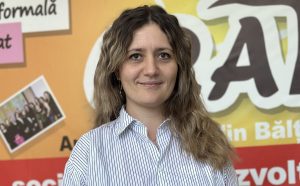
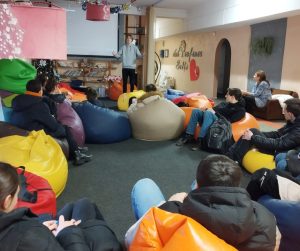
“Our idea is that these young people should not interrupt their education,” underlines Nonna. “We want to involve them in continuous training at vocational schools. We want to support them in the choice of a profession and in the employment process, so that they have an income to sustain themselves.”
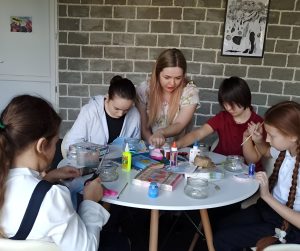
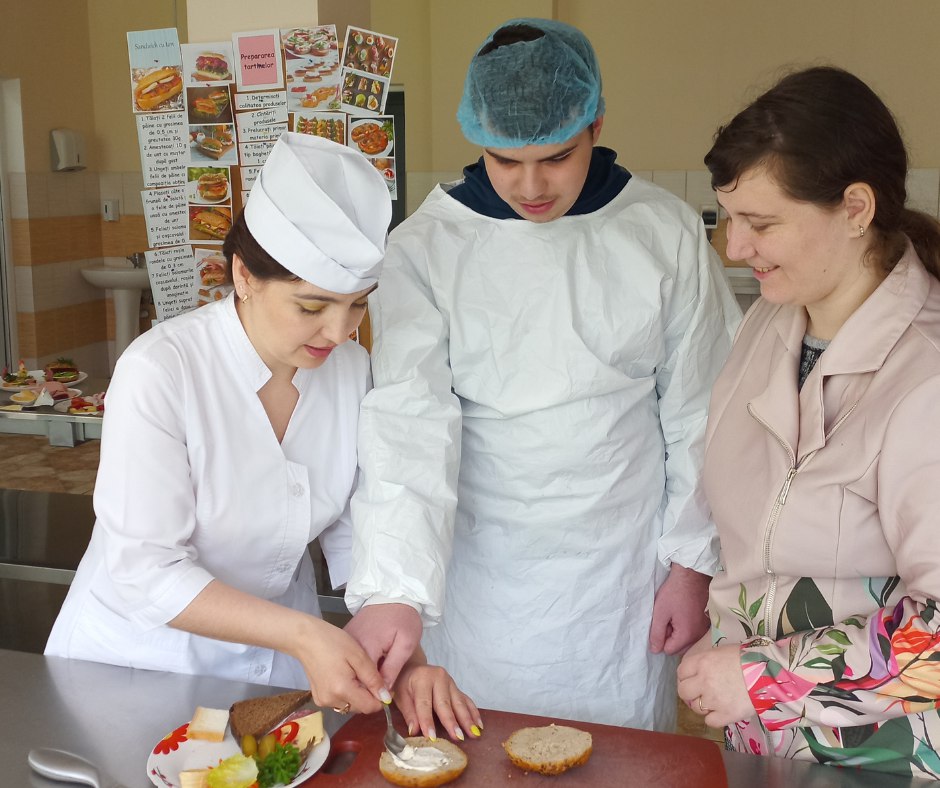
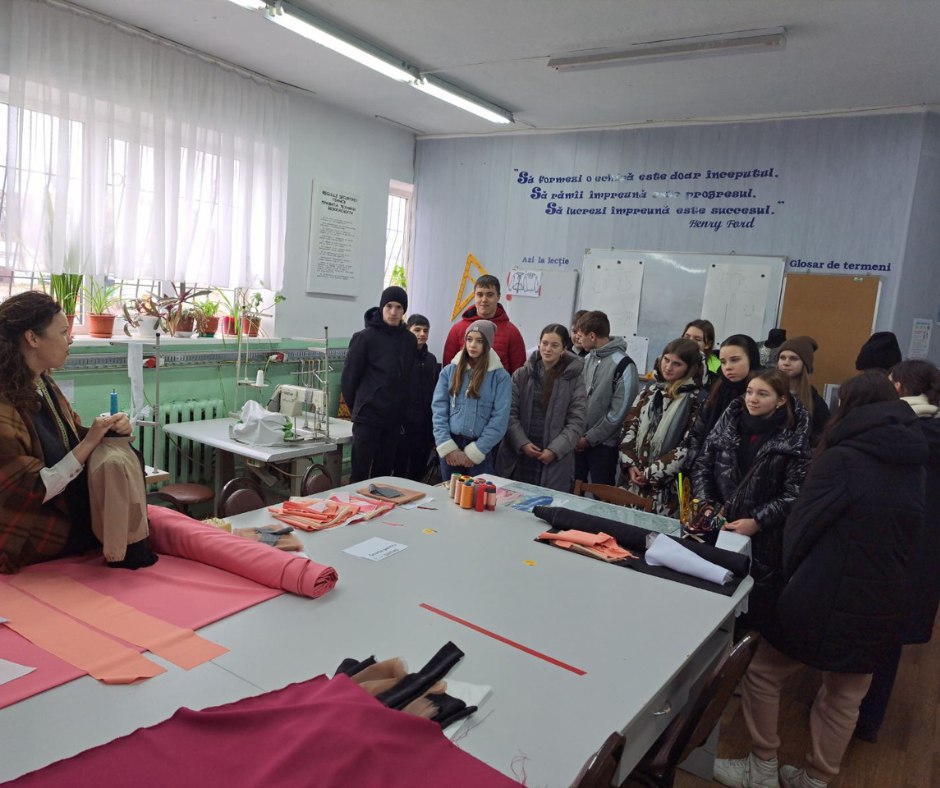
EU funding via the East European Foundation helped ANIMA to pilot four Professional Laboratories at the local educational institutions. Kitchen, IT, Carpentry and Tailoring Laboratories were created and equipped to give youngsters a glimpse of the four professions, explain their technical aspects and growth opportunities. At total of 1,633 ninth-grade students, including 169 students with learning disabilities, participated in the Labs during the 20 months of the initiative. Interested participants, especially those with SEN, could test a potential profession during open workshops and – at a more advanced stage – through individual masterclasses where they created their own products under the guidance and supervision of the vocational schoolmasters. The laboratories gave them an excellent opportunity for the development of professional skills and socialisation, but also served as a run-up for future vocational training.
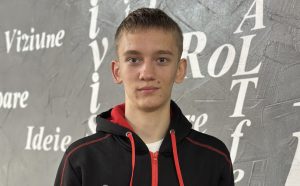
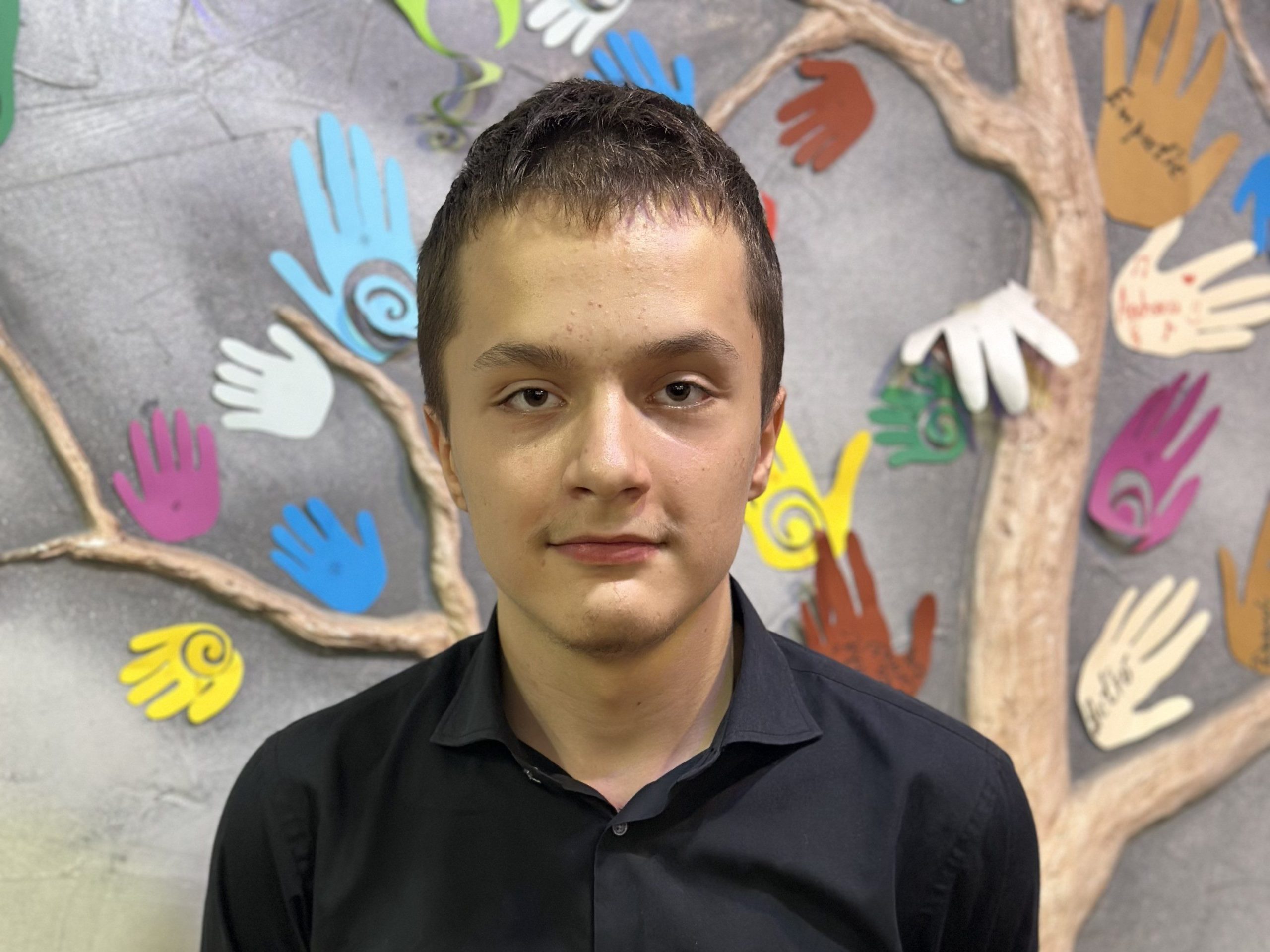
“I visited the computer centre and started following the IT workshops,” says 16-year-old Alexandru Isiciuc. “I chose this profession because it is more accessible and does not require physical effort, which is important in my case. I’ve always liked programming, and the meetings organised by ANIMA confirmed my professional choice. Now I am studying at vocational school No. 5 to become a computer assembly/disassembly technician.”
Career guidance to students with learning disabilities can make a big impact on their lives. The path to their employment is often long and challenging. Employers’ prejudice and reluctance to hire, low pay or illegal employment on the one hand, but also lack of basic presentational skills on the other hand are common barriers when they look for a job. “When accompanied by a mentor, their employment chances increase,” explains Cristina Jitaru, Career Guidance Counsellor. Cristina is a psychologist and economist, running her own professional development course for students. She joined ANIMA to facilitate the employment of 30 selected young people with SEN, offering individual guidance and mentorship to each one of them.
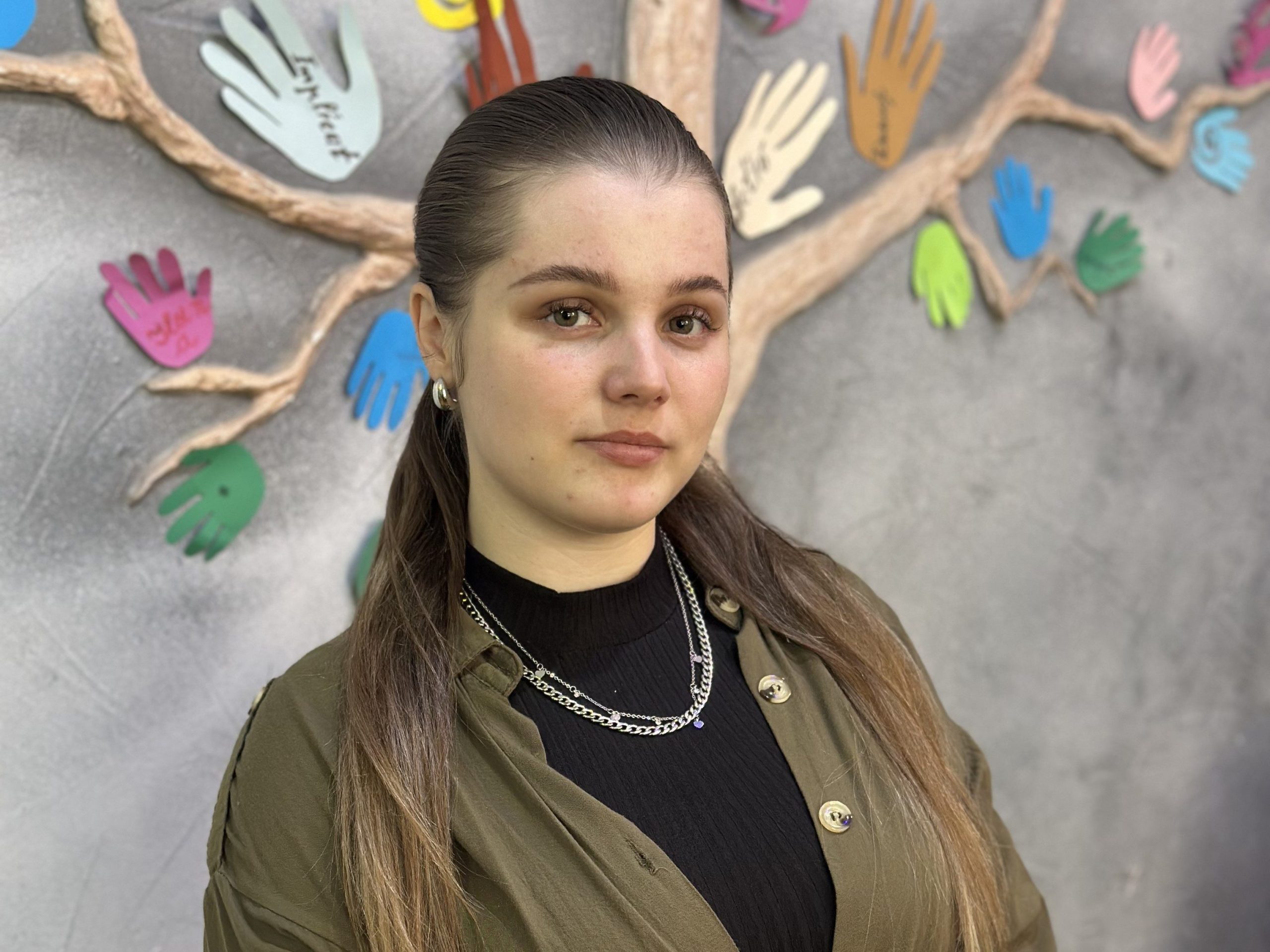
The individual counselling sessions and mentoring covered many aspects – from personal assessment to introduction to the Labour Code provisions – stretching sometimes over 8-10 months. “We went through all the psychological phases of self-discovery, personality assessment and orientation,” says Cristina. “I took my young people to the National Employment Agency (ANOFM) to register them as unemployed. We conducted mock interviews and practised tests, familiarising them with the Labour Code and basic salary-related information. I helped them to search for job offers in the labour market; we worked on their CVs and cover letters together. When I saw that employers were hesitant about young people with special educational needs, I accompanied them to the interviews to explain the situation.”
By the end of the counselling programme, all 30 target young people secured a job. Daniel Boboc (20) is one of them. He is a first-year student at the Alecu Russo State University in Bălți, also working as an operator in wire-cutting and pressing at DRÄXLMAIER, a globally operating automotive supplier. “The individual sessions with Cristina were very useful. We conducted a professional evaluation and tested my compatibility with various professions, I discovered more about myself as a person,” says Daniel. “I understood that chaotic working environments are not suitable for me; I need tasks coming in order, focusing on one task at a time. The counselling helped me to evaluate job vacancies differently from the way I used to.”
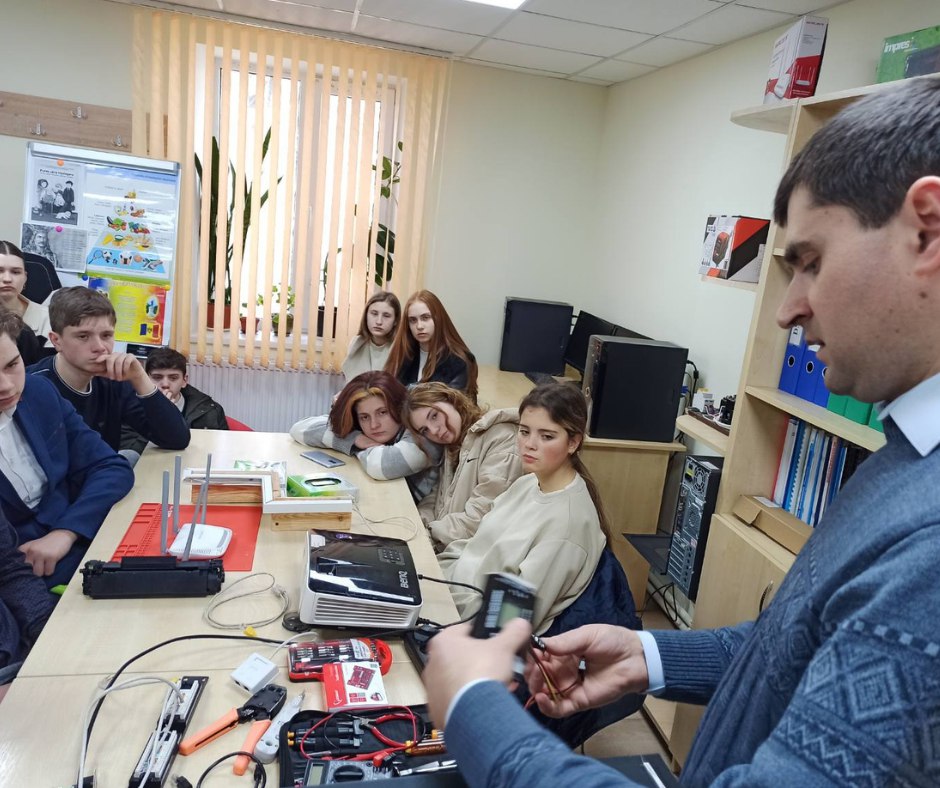
Applying to DRÄXLMAIER followed from a careful analysis of the chosen profession, reviewing of the job’s requirements and benefits with the help of the Career Guidance Counsellor. Daniel had an interview with the employer and followed an internal training to learn the workflow. The young man recalls: “At each stage I was reflecting on how I can be efficient, whether I was suitable for the position and if I had the capacity to adapt. The sessions with Cristina helped me to understand that not just the selection of the profession and job are important, but it is also important to understand the working environment, otherwise, you risk failing at your tasks.”
Eight months after the counselling programme, the positive changes have become more visible: half of the young people with SEN have managed to maintain and secure stable jobs, while the number of young people with learning disabilities studying at vocational schools in Bălți has tripled. “State institutions should assist in the professional integration of young people with SEN but there are not enough specialists capable of performing this task,” says Nonna Mihalcean. “The role of civil society organisations like ours is to fill in the gap left between educational institutions and the National Employment Agency (ANOFM). We want to see young people with SEN continuously trained and employed to ensure their integration into society.”
Author: Volha Prokharava
MOST READ




SEE ALSO
Agricultural panic or opportunity in the EU? Ukraine’s next battle is going to be grain
‘It’s like returning to the Wild West’ – Moldova seeks to attract back its lost citizens

Moldova races towards EU membership as accession talks launch

Moldova between reforms and hybrid threats: the European path of a country on the front lines
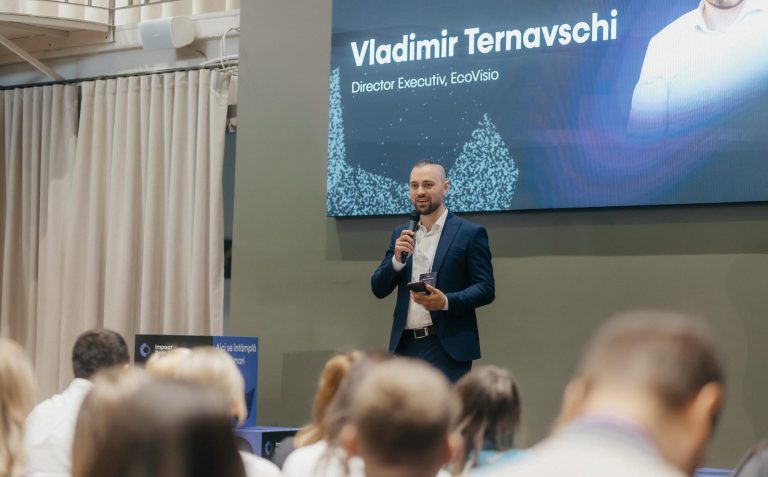
Heading an environmental organisation at the age of 29: Vladimir Ternavschi on his superpower to bring people and ideas together


The information on this site is subject to a Disclaimer and Protection of personal data. © European Union,
