

Moldova between reforms and hybrid threats: the European path of a country on the front lines
“The best student” in the European classroom for candidate countries and the country that has made the greatest progress in the latest EU enlargement report – this is how Brussels increasingly describes the Republic of Moldova. After years of accelerated reforms, Chisinau is on the threshold of a new stage in its European integration. After a delay of nearly a year caused by the blocking of the Ukrainian dossier, the European Union recently gave the political “green light” to Ukraine and Moldova to begin the official membership negotiation process, with the opening of the first negotiation chapters for both countries announced on 15 June.
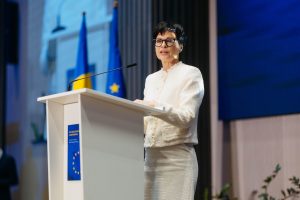
In recent years, Moldova has established itself as one of the most active candidate countries, and according to European Commissioner for Enlargement Marta Kos, the country is a “top performer” in its preparations for EU membership. In her words, Moldova is not only a beneficiary of European support but “is already contributing to European security”. The rapid pace of reforms, progress in the rule of law, and economic transformation make Moldova one of the most successful examples of European integration within the Eastern Partnership.
Despite the progress achieved, the country still faces serious challenges. President Maia Sandu acknowledges that Russian interference and disinformation campaigns have become the “new normality”, and institutions are forced to counter manipulation on a daily basis. At the same time, Moldova continues its efforts to strengthen energy security, reduce dependencies, and enhance its resilience against Russian hybrid attacks. It is precisely in this complex environment that the country seeks to combine domestic reforms, strengthened security, and European integration, making EU membership the key strategic project of its future.
From Russia to Europe: Moldova’s path to energy independence
Until the war in Ukraine, Moldova had been historically dependent on Russia for energy. Vulnerable, on the one hand, due to its Soviet-era infrastructure legacy, and on the other, due to the naivety of its governments, in 2022 the country faces the challenge of achieving energy independence.
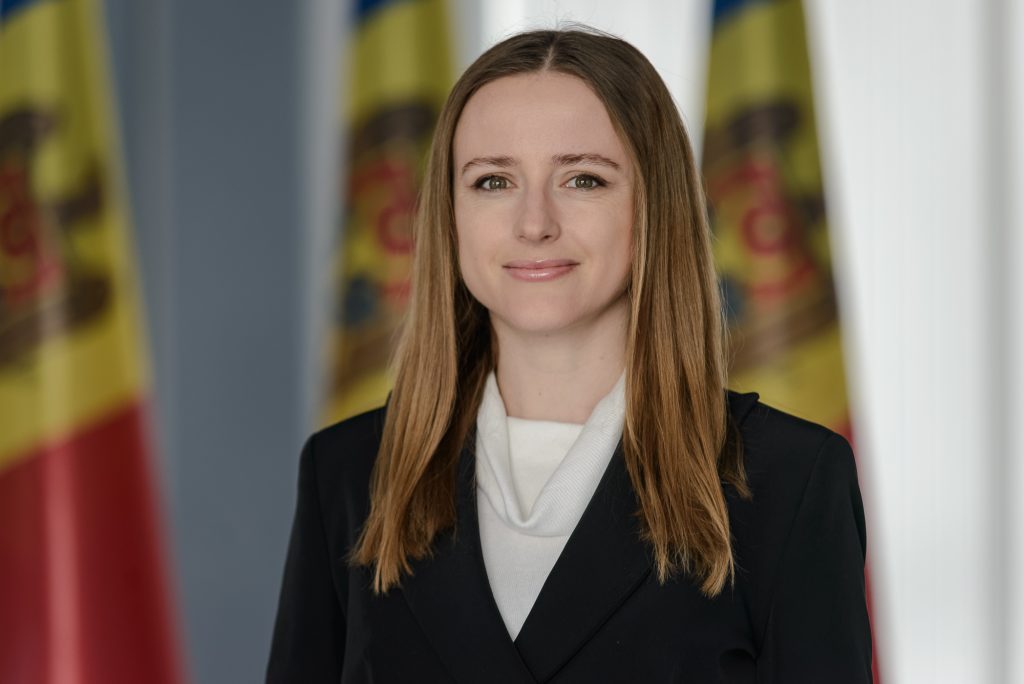
“We have endured major shocks. If you compare Moldova today with Moldova in 2022, you will see that it is a completely different country when it comes to energy. We are now standing on a completely different ground,” said Carolina Novac, State Secretary at the Moldovan Ministry of Energy.
Until 2019, for example, Moldova was 100% dependent on a single source of gas – the Russian company Gazprom. Russia has repeatedly exploited this dependence to pressure the country by cutting off supplies.
As for electricity at that time, the situation was similar – Moldova produced only 20% of the electricity it consumed, while 70-80% was purchased from the Transnistria region, controlled by separatist authorities. The electricity produced there using “free” gas from Russia was sold on the Moldovan market for real revenue, which ensured the region’s economic viability and helped sustain the separatist administration.
The situation today is different. Moldova is connected to the European energy market. The diversification of suppliers, for both gas and electricity, is now a reality.
The Iasi-Ungheni-Chisinau gas line, which connects Moldova to the Romanian and European gas networks, has played a key role in this transformation. Thanks to it, the country can now purchase natural gas from more than 20 different sources and maintain strategic reserves sufficient to cover about 10 days of peak winter consumption.
As for electricity, Moldova has increased its renewable energy production capacity 12-fold over the past five years. The country still imports about 60% of the electricity it consumes, but by 2025, 25% of the electricity used was generated from renewable sources, and the goal is for this share to reach 31% by 2030.
“Installing battery storage systems will help us achieve having more flexible capacities, so that any surplus generated during the day can be used in the evening when consumption is highest. The priority is to continue diversifying our domestic energy mix,” Novac explains.
Another priority for the government is modernising the ageing electricity infrastructure and ensuring better connectivity with Europe:
“There is still much to be done. Roughly 50% of the power network needs further modernisation works. The state-owned company ‘Moldelectrica’ has a 10-year plan for the development of the power transmission network.”
The challenges, however, remain significant. To reduce its vulnerability, Moldova is investing in several strategic power transmission projects. The most important of these is the Vulcanesti-Chisinau power line, which will allow electricity supplies to bypass Transnistria and give the country greater control over energy flows.
In parallel, work is underway on the Suceava-Bălți and Strășeni-Ghutițani power lines, which will increase transmission capacity and grid resilience. A new connection with Ukraine is also planned, which will allow for more flexible management of electricity flows in the region and create the possibility for reverse import and export of electricity between the two countries when necessary.
The implementation of these key projects, along with others aimed at transitioning to district heating and increasing energy efficiency in public and residential buildings, is linked to European and American funding, with completion dates ranging from 2030 to 2032. Meanwhile, a number of non-technical challenges remain, including the volatility of international prices and the need to improve cybersecurity in the energy sector.
Security and neutrality in the shadow of war
Moldova’s security is closely linked to its energy infrastructure. The construction of new power lines that bypass Transnistria and connect it to Romania is viewed as an act of “regional security” that also allows Ukraine to balance its energy flows through the Moldovan power grid.
The issue of the country’s security, however, is broader and inextricably linked to its aspirations for European integration and the changed geopolitical reality in Eastern Europe following Russia’s invasion of Ukraine. Since 2022, the security architecture in the region has been fundamentally altered, with Moldova occupying a vulnerable position due to its 1,200 km border with Ukraine.
The new reality demands adaptation. In its new defence strategies, Moldova emphasises technological development and the comprehensive modernisation of the military alongside a higher level of political planning. All of this, however, is expensive.
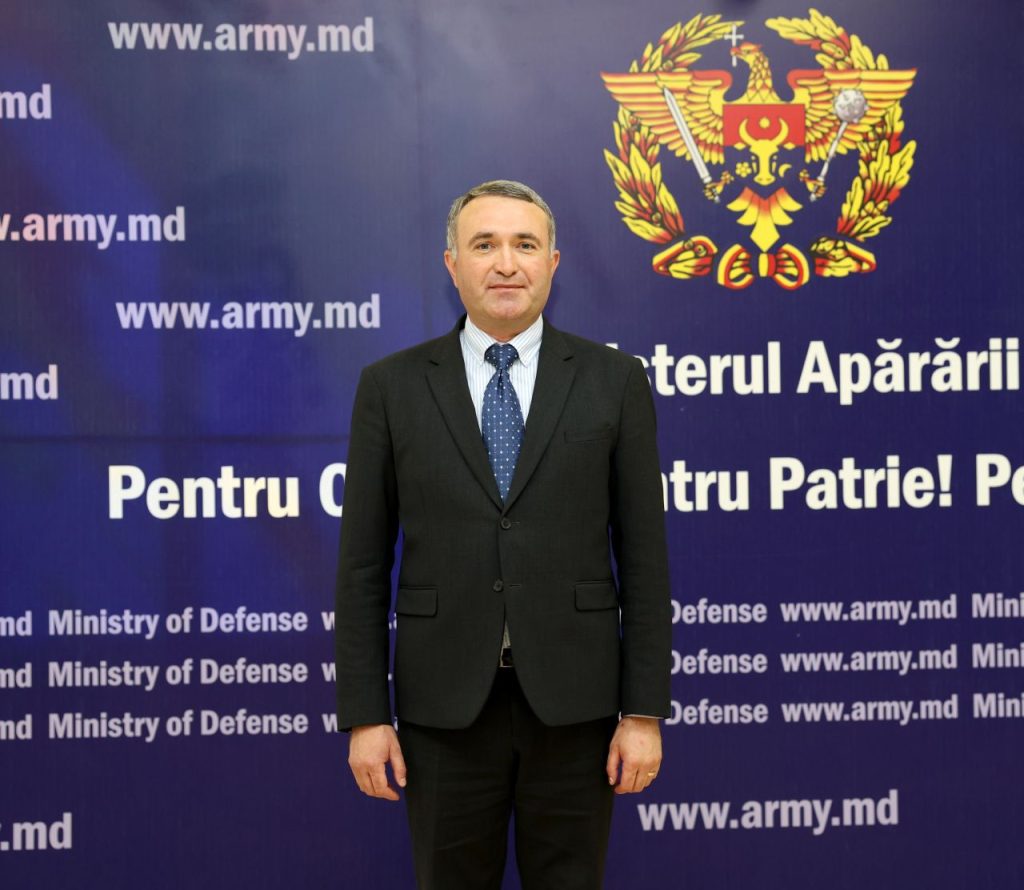
Ghenadie Cojocaru, State Secretary at the Moldovan Ministry of Defence, explained that historically, the country has allocated only 0.3% of its GDP to defence; later, the amount rose to 0.6%, and the government’s ambition is to reach 1% of GDP by 2030.
Assistance for the modernisation of Moldova’s armed forces also comes from the EU through the European Peace Facility and the Union’s defence cooperation framework PESCO. The US is also a key strategic partner, providing training at US military academies and close cooperation with the North Carolina National Guard.
On the one hand, Moldova has its partners; on the other, however, under the 1994 Constitution, the country has been “neutral”. Neutrality means that Moldova cannot participate in military alliances or allow the deployment of foreign troops on its territory.
“In fact, this prevents us from joining any military alliance. The intent of Article 11 of our Constitution was to withdraw Russian troops from Transnistria and to avoid our participation in a military alliance of former Soviet republics led by Russia. The only one violating this principle today is Russia, since there are illegally stationed Russian units on Transnistrian territory,” explains Cojocaru.
According to him, the principle of neutrality enshrined in the constitution is used by pro-Russian opposition groups as a pretext for accusations against the ruling authorities in their pursuit of international cooperation for the modernisation of the army.
“In 2017, the Constitutional Court interpreted this article and stated that neutrality does not mean isolation,” explains the State Secretary.
According to him, his country has the right to do everything necessary to defend its neutrality, including improving its defence capabilities with the necessary resources.
“Neutral countries have no allies to fight for their sovereignty and values; they do not have the protection of Article 5 of the NATO Treaty. In this sense, all the processes we are carrying out here at the Ministry of Defence are aimed at improving our defence capacity,” noted Gennadie Cojocaru.
The solution for Transnistria: peaceful and economic
In addition to strengthening its defence capabilities, Moldova faces the challenge of addressing another key security issue: the Transnistria problem. The narrow strip of land between the Dniester River and the border with Ukraine, covering 11% of the country’s territory, is internationally recognised as part of the Republic of Moldova. Since 1990-1992, however, it has been controlled by the “Transnistrian Moldovan Republic”, which is not even recognised by Russia. There are, however, about 1,500 Russian military personnel stationed there. This, on the one hand, allows Russia to maintain a military presence in the region, and on the other, complicates the country’s European integration and the debate over its security.
Moldova’s official position is that the conflict can be resolved only through peaceful means, in accordance with European values of democracy and human rights. Until then, 300 Moldovan military personnel continue to be stationed daily in the so-called “Security Zone” to maintain stability and prevent escalation.
A resolution to the issue, however, does not seem too far off, and it appears that it might come about through economic means. From an economic standpoint, Transnistria is becoming increasingly dependent on Chisinau and the European market.
According to experts, about 90% of those living in the unrecognised republic hold Moldovan citizenship, which they actively use, including the majority of soldiers from the so-called “Russian units”. It is claimed that more than half of the population living in Transnistria commutes daily to work in Moldova.
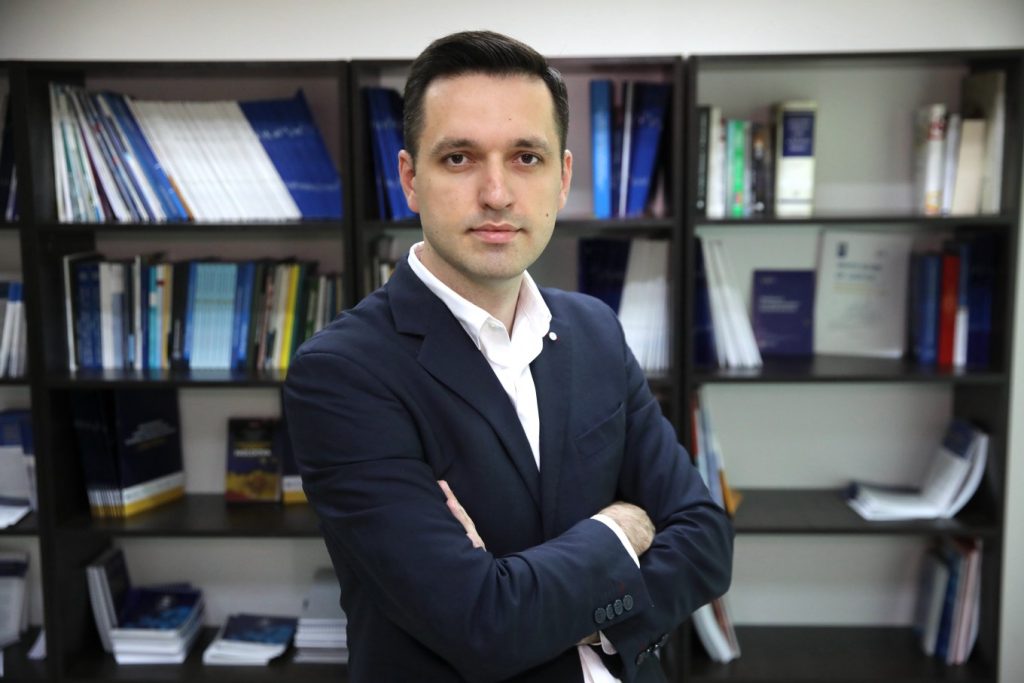
“Relations with Transnistria will likely be resolved in the medium or long term. Transnistria is not a priority for Russia. This is evident; otherwise, they would have support, but they do not. They supply them with just enough gas to survive, but not enough for economic development, job creation, or a good quality of life,” said Adrian Ermurachi, programme manager at the Institute for European Policies and Reforms (IPRE).
“I don’t know if the Russian economy is in such bad state or if Transnistria is no longer a priority. One can only speculate,” he added.
According to him, more than 80% of the unrecognised republic’s exports go to the EU, not Russia or other countries. Given data showing that by 2025, the share of exports to the EU will amount to 67.5-68.1% of Moldova’s total exports, this means that Transnistria is better integrated into the European market than the Republic of Moldova itself.
The hybrid front: disinformation, money, and networks of influence
Meanwhile, Moldova serves as a testing ground for Russia’s hybrid warfare.
“I think Moldova can serve as a good example of how it manages to withstand and resist Russian interference,” said Sergiu Tofilat of the WatchDog team – a non-governmental organisation that analyses public policies, monitors governance, and combats disinformation.
According to WatchDog’s data, the scale of Russian financial interference is colossal for the country’s economy. The NGO claims that around the 2024 elections alone, Russia spent over €250 million to strengthen its influence on the country’s political processes. The amount equals 1.5% of Moldova’s GDP.
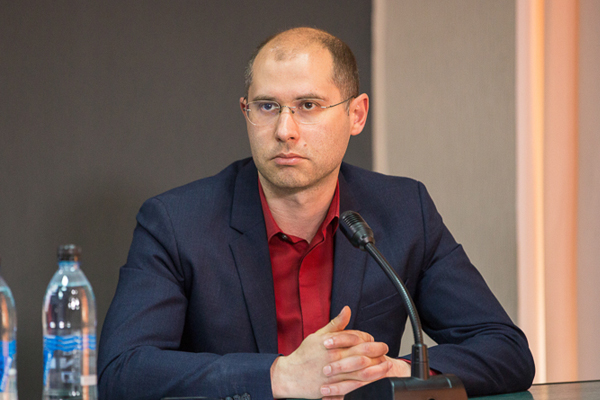
“$50 million was spent on disinformation during the presidential elections and the EU referendum in 2024,” Tofilat claims.
Among the tools of this disinformation is the creation of specific false narratives targeting particular segments of the population based on their interests and fears. To promote Russian narratives, troll farms and networks of fake Facebook pages and TikTok accounts – increasingly managed by artificial intelligence – are at work. Local influencers who previously discussed cooking, cars, or beauty are also becoming purveyors of disinformation on political topics related to the elections.
The main goal remains the same – to discredit state institutions and create obstacles on the country’s path to Europe.
“There is an ongoing investigation into how Ilan Shor [a Moldovan oligarch and pro-Russian politician, considered a key figure in pro-Russian political networks in Moldova, ed.] financed his malicious activities and funnelled money to members of his party. We’re talking about between $25 and $30 million a month,” he emphasised.
The investigation in question was conducted by Ziarul de Gardă. It revealed how Ilan Shor’s network used organised structures to influence electoral processes in the Republic of Moldova through illegal financing, mobilising paid activists, spreading disinformation, and buying votes.
Undercover journalists from the media outlet uncovered mechanisms for recruiting participants, spreading manipulative messages, and coordinating activities aimed against the country’s European course and in support of candidates linked to Shor.
According to experts, due to increased scrutiny, Russia is forced to use unconventional methods to bring money into the country to finance such operations. The methods range from flying people to Russia to return with cash amounts under $10,000 in order to avoid having to declare them, to opening Russian bank accounts for over 140,000 Moldovan citizens, through which they receive monthly payments in rubles, to using cryptocurrencies to pay activists.
In this context, institutions such as the Centre for Strategic Communication and Countering Disinformation, established in 2023 on the initiative of President Maia Sandu, and the civil society sector are fighting disinformation and attempting to counter foreign interference and make society more resilient to manipulation.
Plan B: is reunification with Romania possible?
The possibility of a union between Moldova and Romania has periodically resurfaced in public and political debate since 1991, when Moldova declared its independence. Based on the common historical, cultural, and linguistic ties between the two countries, the idea is being discussed again in the context of the country’s European integration and the security threats resulting from the war in Ukraine.
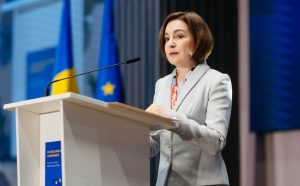
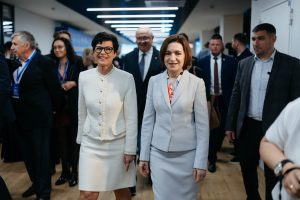
Even the country’s president, Maia Sandu, has stated that, in a personal capacity, she would support unification with Romania, but at the same time has emphasised that this is not official state policy and that such a decision can only be made by the citizens of the Republic of Moldova.
Although some view a potential reunification as a “Plan B” for joining the European Union, there is no public majority in support of such a move.
“Supporters of unification make up about 35% of the people in Moldova. Some surveys indicate 40%, but I am sceptical. About 10% are undecided. It is clear that 50% of people say, ‘No, if I vote, I will vote against unification with Romania,’” claims Adrian Ermurachi.
Ermurachi says that it is important to distinguish between the group of people supporting European integration and those supporting unification with Romania. Many citizens support the path to the EU but do not want reunification.
The country’s realistic goal remains joining the European Union as an independent state. However, it cannot be ruled out that if the ongoing war ends unfavorably for Ukraine and Moldova has still not managed to join the EU, support for “Plan B” could increase and it could actually be a viable option.
Even if such an agreement is eventually reached in Moldova, Romania would also have to make a decision. This would be complicated because the decision involves legal implications regarding Romania’s membership of NATO and the EU, particularly regarding the issue of adding new territory to these alliances. It is also uncertain whether Romanian society would lend its support, given that many believe Moldova would be a burden on the country’s economy and would pose security challenges.
The opening of the first negotiation chapters do not mark the end of reforms, but rather the beginning of the most complex stage of Moldova’s European path. The country still faces challenges related to the rule of law, energy sustainability, security, and countering foreign influence. Nevertheless, for the first time since the declaration of independence in 1991, the country’s European perspective appears not merely as a political goal, but as a realistic and gradually achievable plan, supported by both Brussels and the majority of Moldovan society.
Author: Desislava Koleva
The original article was published in Bulgarian by Mediapool.bg
This article was produced following a press trip to Chișinău organised by the EUNEIGHBOURS EAST programme.
MOST READ

SEE ALSO
Agricultural panic or opportunity in the EU? Ukraine’s next battle is going to be grain
‘It’s like returning to the Wild West’ – Moldova seeks to attract back its lost citizens
Heading an environmental organisation at the age of 29: Vladimir Ternavschi on his superpower to bring people and ideas together

‘Europe became real faces and real stories’: Young European Ambassadors look back on ten years of friendships and community projects

Seamstress turns entrepreneur with support from EU4Youth in Moldova


The information on this site is subject to a Disclaimer and Protection of personal data. © European Union,
