

The Armenian TV station giving people a voice and space to speak
Armenia’s 2013 presidential elections are remembered by many Armenians as among the most dramatic in the country’s history. A presidential candidate barely survived an assassination attempt and the re-election of former president Serzh Sargsyan led to a wave of protests, with accusations of electoral fraud. Gemafin Gasparyan remembers these elections as a wake-up call.
“It was a campaign of lies. It was the moment I realised that things had to change, and that Armenia could not continue on this path. We had to do something to develop a culture of rational political dialogue,” he recalls.
Together with fellow protestor Christine Armenakyan, Gemafin founded the Scientific and Cultural Foundation in 2013, which today includes the television station Boon TV. Initially launched as a cable TV channel in 2022, with support from the European Endowment for Democracy (EED), Boon TV obtained a public broadcasting licence. Now the channel is available in every Armenian home.
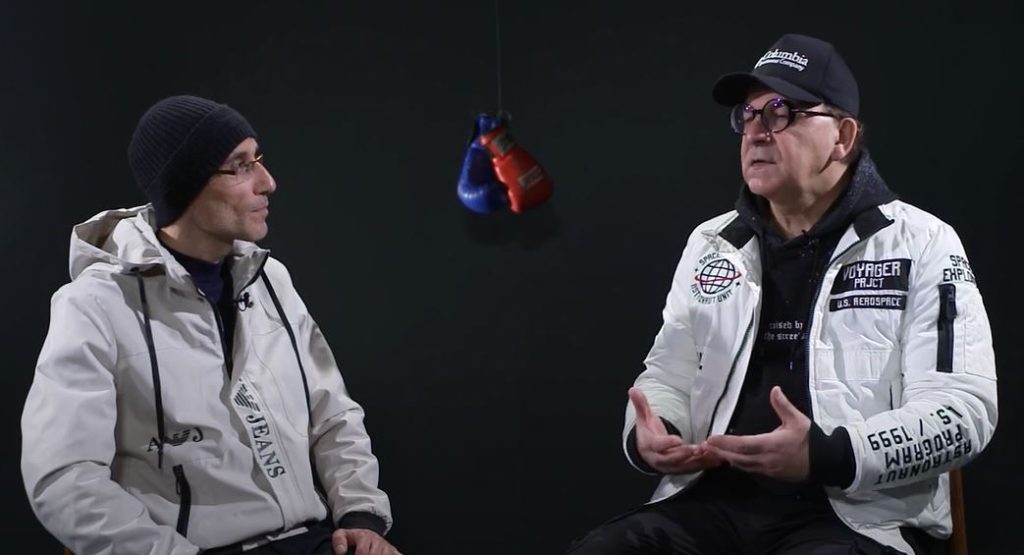
This has been a game-changer for the TV station, and the past two years have been a time of huge growth.
“We’re grown fast. We’re now the fourth largest channel focused on educational and cultural content. We had just seven people in our team three years ago, now we have a team of 55,” says Gemafin.
Boon TV educating Armenian society
In the period following the latest Nagorno-Karabakh war, Gemafin believes that Boon TV’s role has become ever more relevant as the political situation has become more difficult and media freedom has regressed, with government oversight over media increasing. “This is not helpful for our democratic future and it harms the media landscape,” he says.
He explains that ‘Boon’ in Armenian has two meanings, both ‘hut and home’ and ‘essence’, both key to the TV channel’s objective to contribute towards the development of society.
To date, Boon TV has produced thousands of programmes, including many documentaries and educational video series, particularly important during the Covid-19 lockdown period. Recent documentaries have focused on themes such as volunteering, the work of civil society organisations, the lives of those in marginalised communities or working in lost professions, such as metro workers and newspaper printers, as well as important Armenian cultural figures.
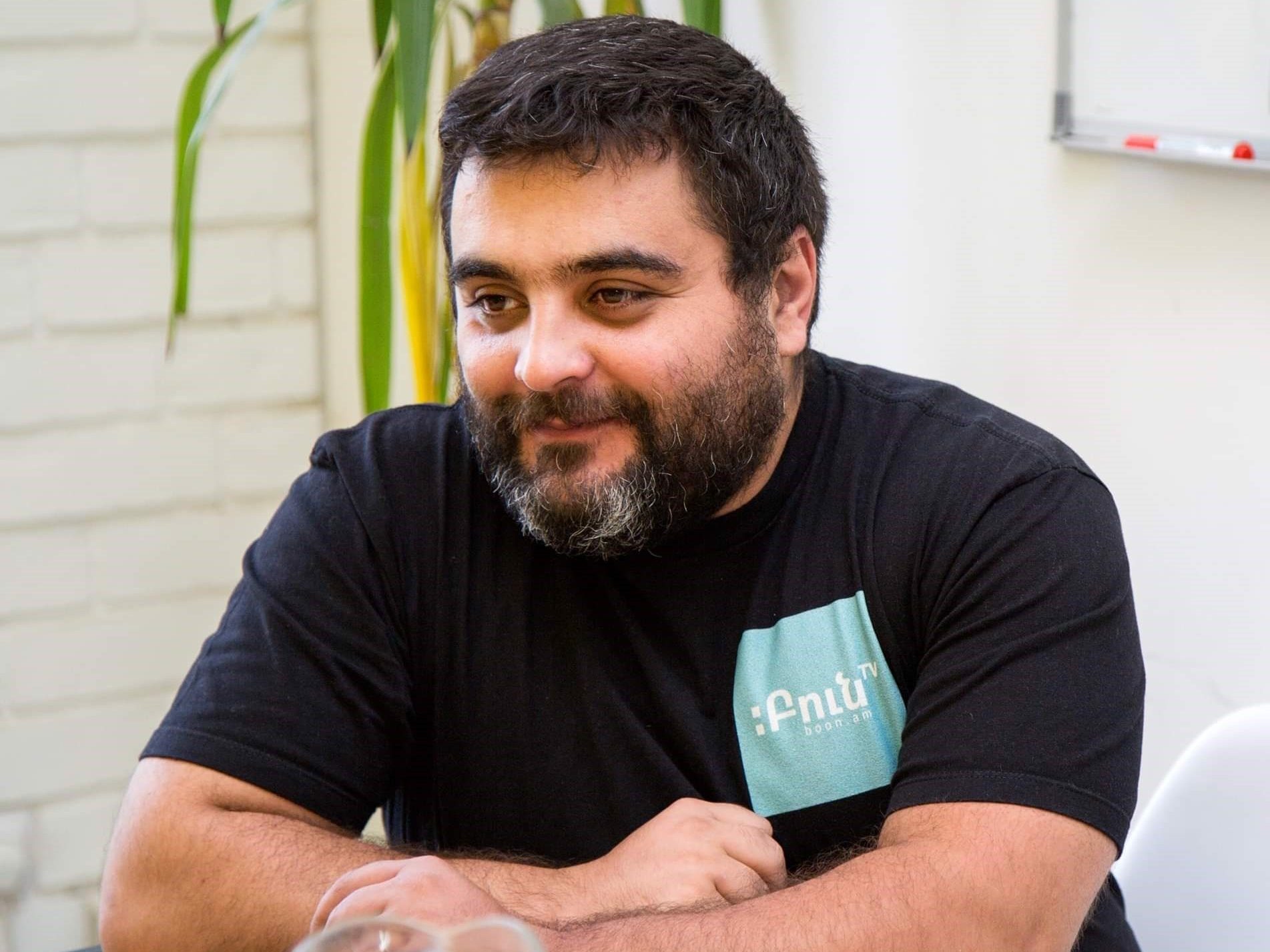
Every day, there are also two hours of children’s programming presented by a popular duo of puppets, Hodor and Godot, with a focus on civic education.
The media also broadcasts a radio-station ‘Audioboon’ for an hour each day, which reaches up to 20,000 people, including taxi drivers, who tune into its content.
“Everything we do is fact-based, and research and knowledge led. We work with activists, scientists and artists to research each topic that we cover. We have built a community of experts,” Gemafin says.
Today, Gemafin has clear objectives for the next period.
“We have increased our audience significantly over the past two years and today we compete with TV channels that have been broadcasting for over 10 years. We know we need to do better to remain competitive. We broadcast 24/7 and we have to constantly produce new content. We need to improve our sets and the quality of our visual content. We’ve already worked on that. We need to increase our brand awareness and we need to take the time to stabilise and sustain our growth as a company,” he says.
He explains that Boon TV is currently running outdoor and social media campaigns. It will also launch a donation platform for the development of its children’s projects for Armenians at home and for the diaspora.
The focus of Boon TV’s work has stayed strong with the move to public broadcasting. “We work with marginalised groups and themes. We give people a voice, and a space to speak about new narratives and freedoms,” he says.
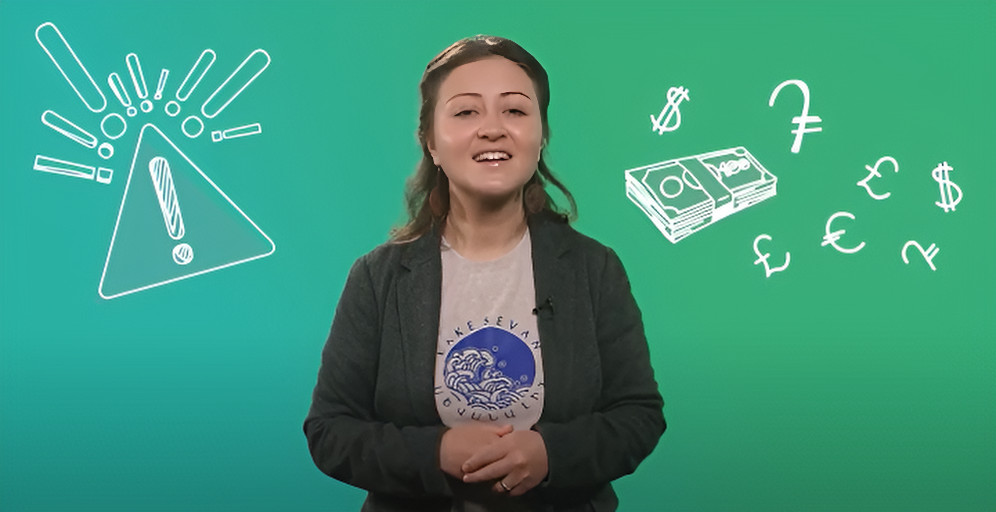
Gemafin accepts that this is not always an easy job. It is difficult for a TV channel with a social conscience to become financially sustainable as it is not easy to attract advertising from businesses, but he believes that as its audience grows and its brand becomes stronger, this will get easier.
Boon has already had a big impact. “Our audience grew by 20 per cent between last autumn and spring alone,” says Gemafin. “As a cultural and educational project, we are increasing people’s knowledge and giving them the tools to understand our society. We produce documentaries on marginalised themes that help people to become more tolerant. We have become a platform for ideas and for critical thinkers. Societal narratives are generally more progressive than a few years ago.”
“With Boon TV, we are helping to create a community of young people, opinion leaders and decision makers who together are helping to build a society that is curious about science and the arts, that can engage with it, and that understands public policies,” he says.
Boon TV received support from the European Endowment for Democracy (EED), an independent, grant-making organisation, established in 2013 by the European Union and EU member states as an autonomous International Trust Fund to foster democracy in the European Neighbourhood, the Western Balkans, Turkey and beyond.
The EED supports civil society organisations, pro-democracy movements, civic and political activists, and independent media platforms and journalists working towards a pluralistic, democratic political system.
It was established by the EU as an independent, complementary mechanism to provide fast and flexible technical and financial support to democratisation and human rights promotion in the European Neighbourhood.
MOST READ

RELATED PROJECTS
SEE ALSO

Armavir citizens mobilise for safe drinking water
‘Europe became real faces and real stories’: Young European Ambassadors look back on ten years of friendships and community projects
Stories hidden in wood
Small ideas, real impact: how students built a natural food brand
Crafted by youth, inspired by tradition: the Hinunik story, a school where new ideas are born within old walls


The information on this site is subject to a Disclaimer and Protection of personal data. © European Union,
