

Neonatal health services to fight birth-rate plunge in Moldova
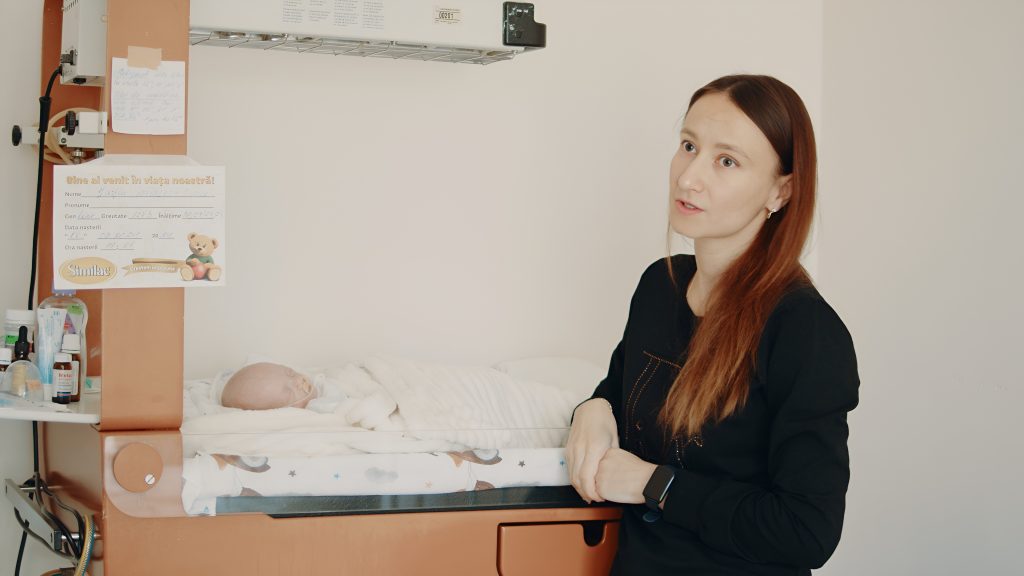
“When my child was born, he weighed just 1,270g. He came to the world too early, after 31 weeks, and was so little! We stayed in the reanimation unit for premature babies for almost one month. Yes, I can say the doctors and nurses have saved him.” Viorica Jurjiu, 34, speaks from the ward of the Institute for Mother and Child, home to the department for premature babies, which has been receiving newborns at risk from across the whole Republic of Moldova since its opening, in 1981. Over more than four decades, the building’s conditions have gradually declined, to the point of posing a potential challenge to the health of the infants. Additionally, the department – which was operating with 35 beds – faced a shortage of essential medical equipment, struggling to meet the needs of its patients with only five incubators.
Like many European countries, Moldova is facing a strong decline in birth rates, making each newborn’s life more valuable than ever. In eight years, the number of neonates has plunged by 34%, from approximately 41,000 in 2014 to 27,000 in 2022 (as reported by the National Bureau of Statistics). This fall can be attributed to several factors, beginning with economic challenges that have driven mass labour migration among younger generations. Additionally, shifting life priorities have led to delayed marriages, and smaller families. As a result, fertility rates have dropped significantly. Aware of the pressing nature of this demographic shift, several initiatives have been focused to lower perinatal mortality and to improve neonatal care. It is in this context that the EU-funded cross-border cooperation project, ‘The best chance of life for neonates’ – implemented by the ENI CBC Romania–Republic of Moldova Programme – was developed. “In the last 10 to 15 years, our perinatal services have improved quite a bit,” explains Sergiu Gladun, Director of the Institute. “However, we wanted to build on these achievements and strengthen our progress. Thanks to this project, we hope to further reduce perinatal mortality and, in turn, increase the survival rate of newborns.”
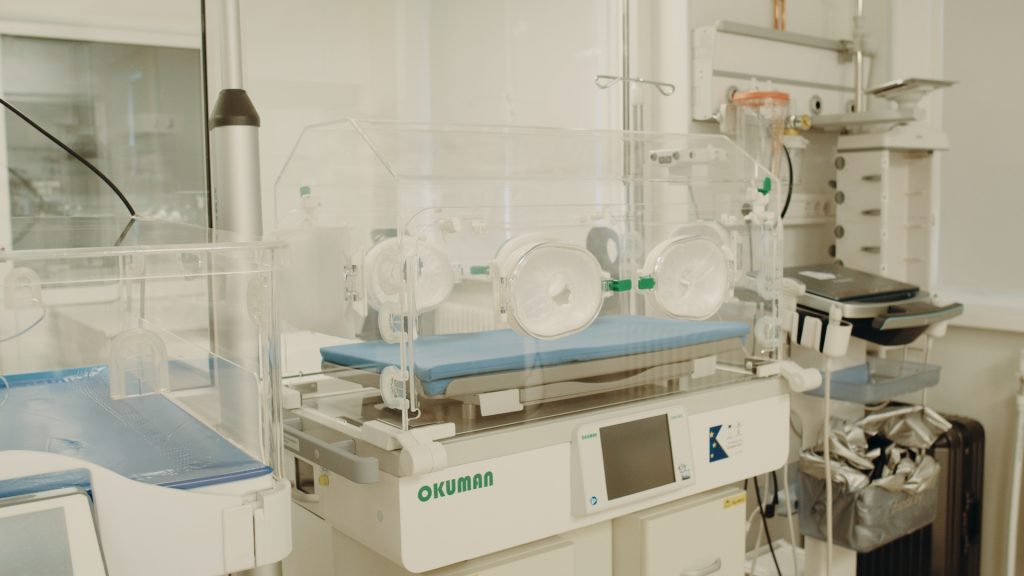
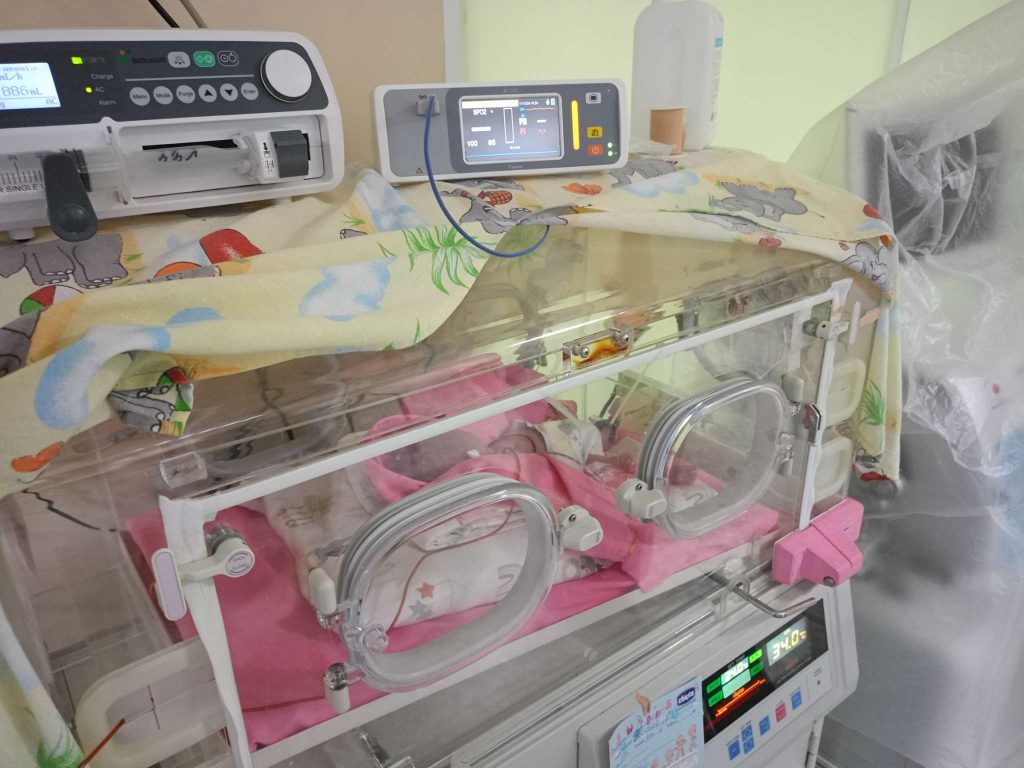
As a result of the cross-border initiative, a new neonatal department has been built and fully equipped with incubators, warming tables – to ensure the proper thermal regulation for the babies – life-saving respiratory machines, an ultrasonograph, a radiograph and a cardiac echo-doppler. “The creation and equipment of this new department at the Institute for Mother and Child was essential for many reasons,” continues Gladun. “For example, when babies are born weighing just 600 grams, they need to grow to at least 2 kilograms before they can safely leave the hospital. Mothers might care for the babies not only for two or three days, or two or three weeks; sometimes they stay in the hospital up to three months, or more, and during this critical period, it is vital for them to remain close to their newborns.” By providing such a space for mothers and babies, the new department promotes both the infant’s physical growth and the essential emotional bond, which is vital for the child’s well-being and recovery. “I don’t know for how long we’re going to be here,” continues Viorica, “my child needs to be able to eat all his portion of food, so that he can reach the necessary weight. At that point, we will go home.”
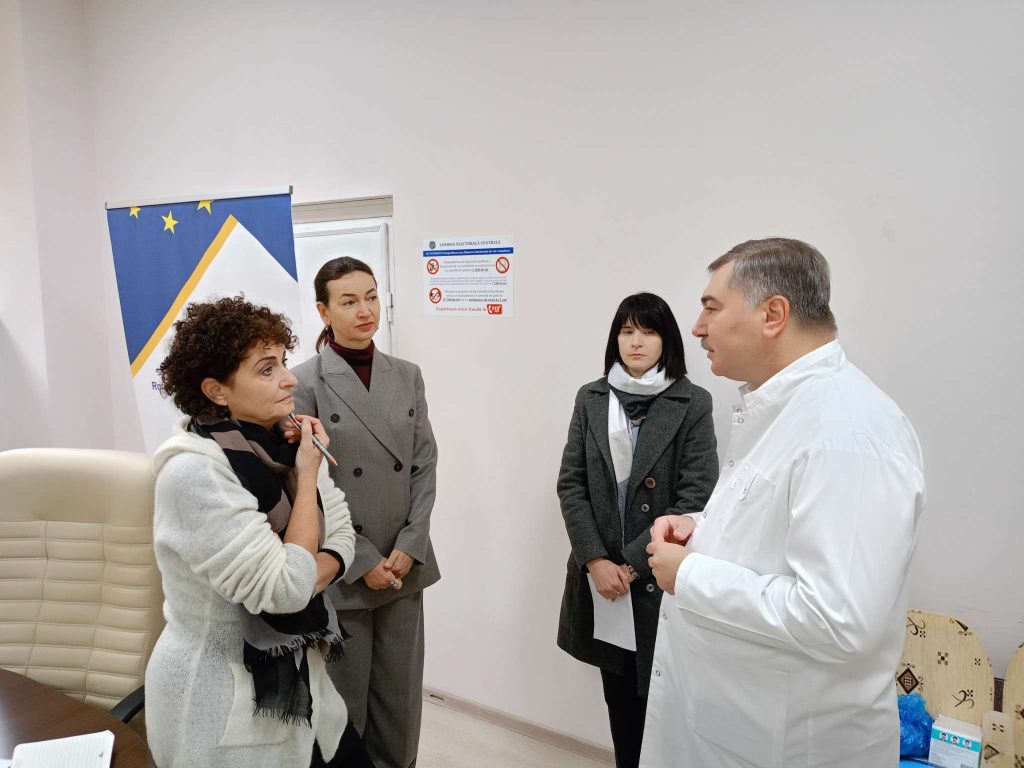
So, it is clear that ‘The best chance of life for neonates’ lies not only in infrastructure and equipment. As part of the cross-border project, exchange of medical expertise on raising awareness about pregnancy and post-natal care, has also proven to be of great value. For example, thanks to their Romanian colleagues, Moldovan doctors were able to develop new approaches and implement innovative ideas. One such case is the medical caravan, designed to bring essential healthcare services across the Republic, ensuring that even the most isolated, rural communities receive adequate health assistance. Twenty-one ‘educational caravans’ were organised within the project, to directly reach expectant and new mothers across the country. “A team comprising a doctor, a nurse, and a psychologist has travelled to various communities,” explains Liudmila Panzari, Head of the prenatal department, “to provide guidance and address any doubts related to pregnancy, childbirth, postpartum care and newborn health”. Through the caravans, the initiative focused not only on delivering essential medical care, but also on providing emotional and psychological assistance. “For example, it is very important to involve all family members in the care of the newborn,” says Panzari, “since a strong support system significantly enhances the well-being of both mother and child.”
“While my baby was in the intensive care unit,” Viorica concludes, “I could only make contact with him through the incubator; I wasn’t able to hold him. However, the nurses and doctors were incredibly supportive, explaining how I could touch him and helping me stay close to him. Once we moved to the ward, I was able to have much more direct contact with my son, and the medical team continued to offer invaluable support, providing me with guidance every step of the way. It meant the world to me.“
Author: Daniela Cavini, TESIM
MOST READ


SEE ALSO

Moldova between reforms and hybrid threats: the European path of a country on the front lines

Heading an environmental organisation at the age of 29: Vladimir Ternavschi on his superpower to bring people and ideas together

‘Europe became real faces and real stories’: Young European Ambassadors look back on ten years of friendships and community projects
Seamstress turns entrepreneur with support from EU4Youth in Moldova
Artificial intelligence that makes a difference in people’s lives: how EU4Youth helped Denis Zacon achieve his social mission


The information on this site is subject to a Disclaimer and Protection of personal data. © European Union,
