

How art becomes a driver of inclusivity: the story of ua.outsider.art
On 10 December, Ukraine and other countries around the world celebrate Human Rights Day. This important date is intended to remind everyone of the fundamental human values that must be upheld: dignity, freedom, equality and justice.
For many Ukrainians, the struggle for equal rights and opportunities means not just empty words, but concrete daily actions. One of these is Volodymyr Vysotskyi, director of the Jewish-Ukrainian Social Initiative Charitable Foundation, co-founder of the universal design studio ORFO, and initiator of a number of culturally inclusive projects.
With the support of the EU-funded Eastern Partnership Civil Society Fellowship programme, Volodymyr was able to realise one of his unique cultural projects – ua.outsider.art. Read on to find out what this initiative is about, how it relates to inclusivity and culture, and what its main goal is.
Where the idea came from
Volodymyr’s journey into inclusivity began quite unexpectedly while he was still studying international law at university. At the time, he was also volunteering in projects supporting families in crisis, elderly people, and people with disabilities.
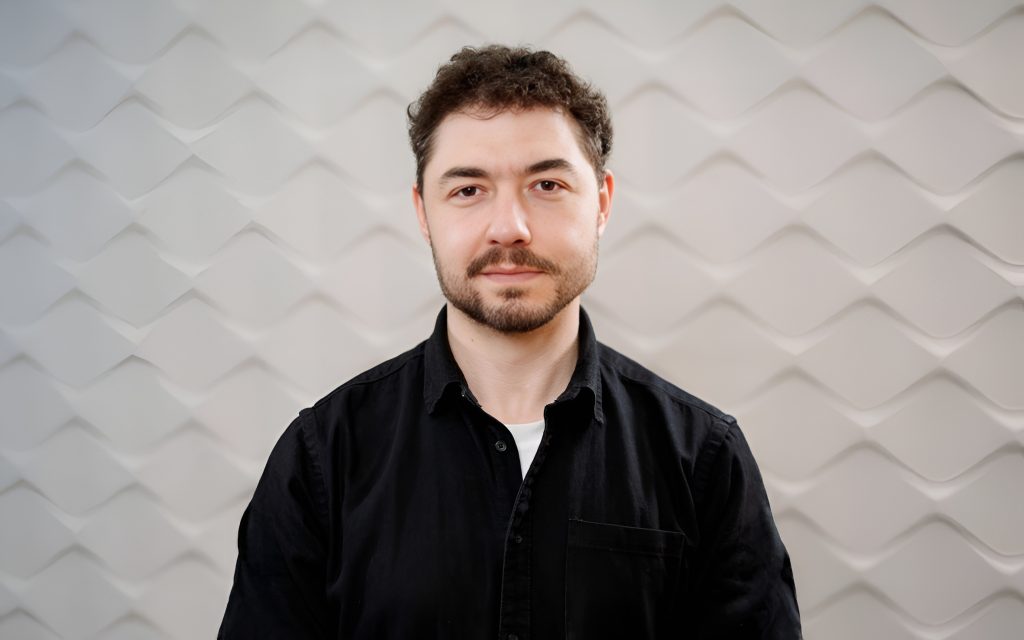
“This experience introduced me to the harsh reality of Ukraine for the first time. Specifically, in terms of how much the issues of accessibility and personal mobility affect people’s quality of life,” said the activist.
As he read and researched international legal documents and national legislation, Volodymyr increasingly began to feel that these were often no more than beautiful declarations.
But in order to fight for any right, certain conditions need to be met. For Volodymyr, a person first needs to have the desire, that is, the personal will to do something. Then there is the issue of obstacles along the path to realising these rights, and whether doing so depends solely on the person themselves. To do so, barrier-free access is essential.
“The more I realised this, the more I delved into the question of how things should be in order for the situation to reach a state that I would be happy to see. It pains me to realise that I live in a society where so many people around me cannot find happiness,” says Volodymyr.
He says he feels uncomfortable in a space and community that does not allow people to express themselves. Not because they are untalented or unwilling, but simply for objective reasons beyond their control. This motivated him to work on improving inclusivity and accessibility in a number of areas, including culture.
Why art?
“Everyone can create. It doesn’t matter what you do, whether you paint, dance, sing in the shower, at home, or on stage. One way or another, you express yourself through certain instruments, certain ‘mediums’, as they say. You can create anywhere, with anything. Even if it’s drawing with a stick in the sand or arranging leaves in the park. In other words, it’s a personal internal process that requires only one thing – an internal need to do it,” explains Volodymyr.
Yet the cultural spaces in Ukraine often remain exclusive in a somewhat detached state and a post-Soviet configuration, where a fictional portrait of a consumer bears little connection to reality.
Volodymyr says inclusiveness in culture should be considered in several dimensions at once. In particular, there are two key dimensions – the ‘creator dimension’ and the ‘consumer dimension.’
“In both cases, we have problems with accessibility – both in terms of the space where these processes take place and the cultural content itself,” he notes.
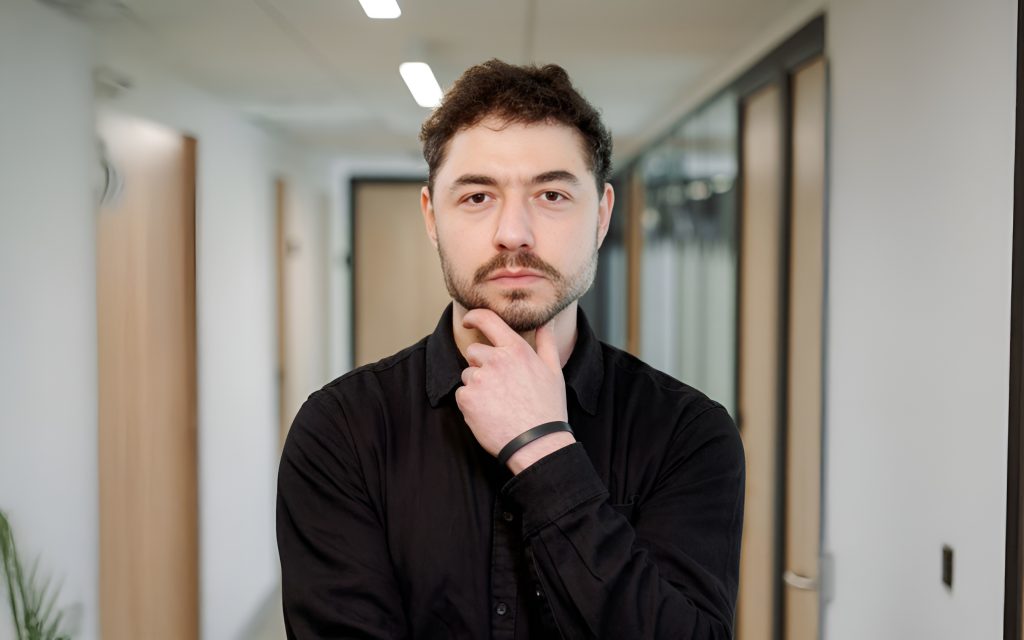
There is another aspect to this – the content of art and its ability to reflect different social groups.
As an example, Volodymyr cited Western art, where in recent years, books, films, and TV series have featured significantly more characters with disabilities, representatives of the LGBTQ+ community, and people with intellectual or psycho-emotional characteristics.
These themes, he explains, are gradually becoming the norm in global culture, and their use shows the diversity, inclusiveness, and potential of each individual.
In Ukraine, however, this process is taking place under certain conditions. According to Volodymyr, this is probably due to historical circumstances, the influence of traditional ideas, and gaps in education.
However, as Volodymyr Vysotskyi notes, Ukrainian culture should still be freed from the ‘shackles of convention’ and attempts should be made to involve more people from different groups, which may change Ukrainians’ worldview and develop the industry itself.
According to Volodymyr’s philosophy, what is important is not to fight the old, but to create the new. He considers this approach to be key in the cultural sphere. With these thoughts in mind, the activist created one of his projects – ua.outsider.art.
The ua.outsider.art project and why it is unique
With the support of the EU-funded Eastern Partnership Civil Society Fellowship programme, Volodymyr Vysotskyi created an album of outsider art – ua.outsider.art.
Volodymyr insists that the term ‘outsiders’ in the context of the project’s name has no negative connotation. It only emphasises that the artists featured in the album are not part of the general cultural and artistic mainstream, they have no professional education or any direct connections to the cultural sphere.
The project itself was created back in 2023, when Volodymyr, together with other co-authors, collected a number of Ukrainian inclusive art practices and summarised them in a reference book format.
“The emphasis was on the fact that there are different people, interesting people who express themselves through art, for whom, perhaps, more standard approaches or formats of language and expression are inaccessible for one reason or another. But the language of art is universal and allows you to express yourself in very different ways,” Volodymyr explains.
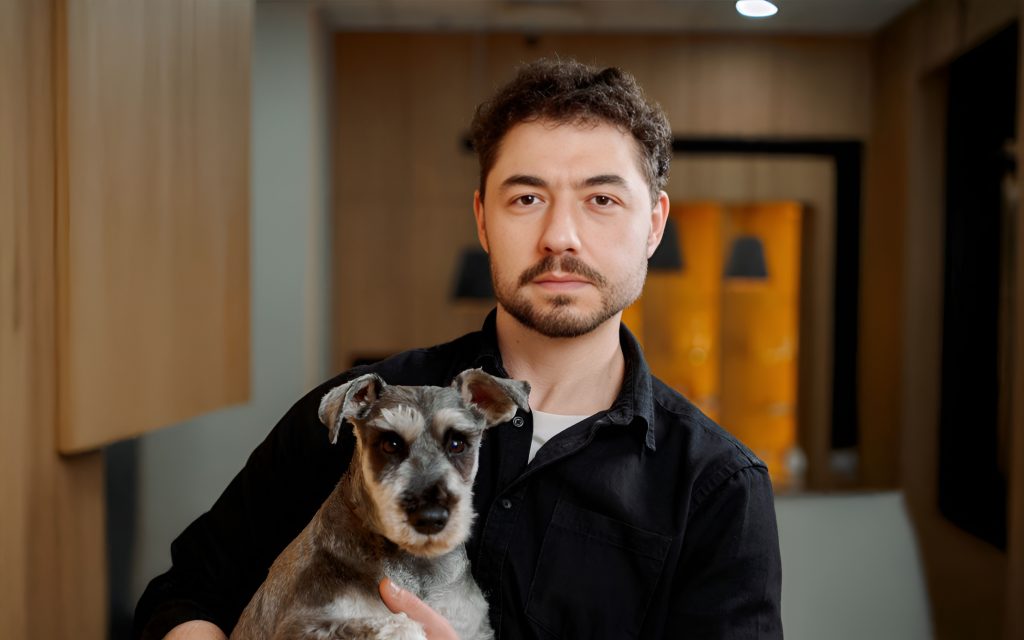
The ua.outsider.art project itself gave Volodymyr and his team a strong impetus to continue working, to communicate with various artists and groups for whom it was significant to see that what they were doing was attracting attention.
As Volodymyr notes, by spreading this information and telling a wider audience that such inclusive artistic initiatives exist, the conditions are created for the centres and people involved to integrate into broader formats.
“I am against festivals for people with disabilities. For me, this is absurd. There should be a simple festival where people with and without disabilities can perform or present their creativity on an equal footing with everyone else,” explains Volodymyr.
For the activist, it is essential to create opportunities for people to see diversity and stop viewing people with disabilities as a socially vulnerable group, but rather see them simply as people who create. And one of the forces that can overcome these psychological barriers is art.
“In other words, we need to shift the focus from the characteristics of the person who creates, to their creativity itself, their worldview, and how they express themselves through their creative method. And then, I think, everyone will benefit from this,” he says.
Changing perspectives
Volodymyr Vysotskyi explains that what impressed him the most while working on the project was that, despite all circumstances and life situations, people with disabilities or mental disorders feel an inner need to engage in art.
“This is not some kind of compulsion, it is not a desire, as they say, to show off or prove something. It is an inner need to give parents, their children, and older people the opportunity to pursue their own aspirations, to express themselves and transform their experiences and feelings, to take them out of themselves and somehow present them to the world, to share them,” he explains.
Volodymyr was also struck by the diversity of artists among inclusive art practices in Ukraine, which are still undeservedly not exhibited in museums.
“We have a large number of theatrical and stage activities that could be brought into the spotlight, that is, from these semi-underground or amateur groups, which rely exclusively on the parents of children and young people with disabilities, or on some organisational efforts, so that they can take their rightful place in more public spaces,” says the activist.
The project itself operates in two languages, Ukrainian and English. This is specifically so that information about inclusive art centres can also be accessed by people who are researching similar practices in other countries.
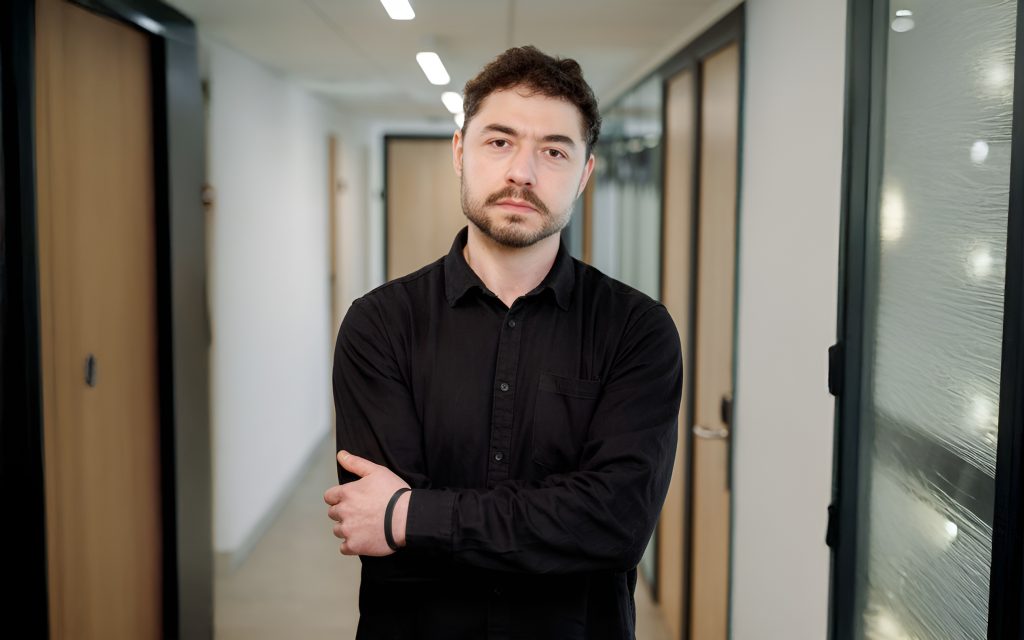
“We really want to build these connections so that we can integrate into the European community. Culture has no borders, so it seems that this process could happen much faster here, and in fact it is already happening. Our artists attend biennales, and there are many exchanges in various fields, including inclusive culture, although this is simply the culture that should exist in the 21st century,” Volodymyr insists.
In addition, the activist noted that those who had participated in the project were very dedicated. They create the conditions, find paints and canvases, or go on stage and create.
“This is very inspiring and gives us faith that it will continue, because there are people who are ready to preserve it and continue doing so. There is something important in the process of creativity itself, rather than in its result,” says Volodymyr Vysotskyi.
Looking ahead
Volodymyr believes an inclusive, barrier-free Ukraine is possible, but it will take time, a change in mindset, infrastructure and policy. Education and awareness are key, as well as motivation at all levels – from institutions to individuals.
“We need the accessibility to become the new norm – something obvious. Then, gradually, we will get used to the fact that this is the only way things can be. And anything else will feel abnormal,” he says.
He also believes that everything depends on people, first and foremost. And if a person wants and strives for something, they will find ways and means, methods and resources to do it.
“Our task is to form a sense of necessity in different people, internal motivation, to awaken and fan the flames. And this is already happening. But we need it to happen everywhere, constantly, effectively, and efficiently. It is a process, and we support and implement it,” says Volodymyr.
The activist is convinced that Ukrainian society will eventually become fully inclusive and barrier-free. After all, people are increasingly ready for this, and there are more and more passionate people who care about this, not just at the level of ‘Okay, I don’t mind,’ but at the level of ‘Yes, this is how it should be!’
Author: Vladislav Kravtsov
MOST READ
RELATED PROJECTS
SEE ALSO
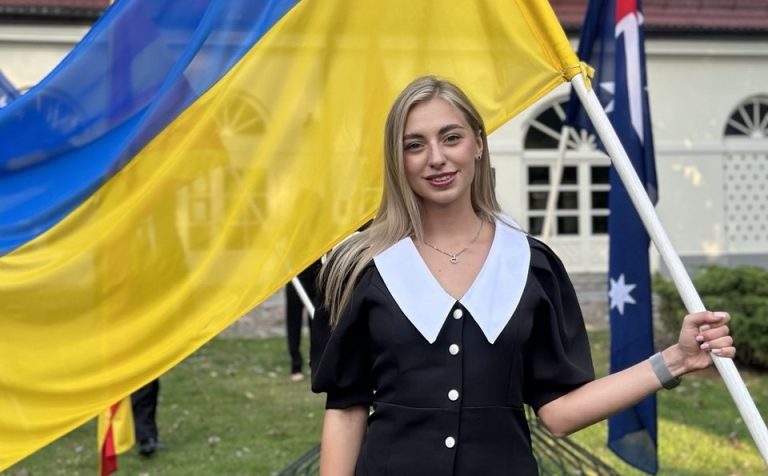
From passion to mission: how Sofiia Nazarenko became a voice of Ukrainian journalism through EU4Youth
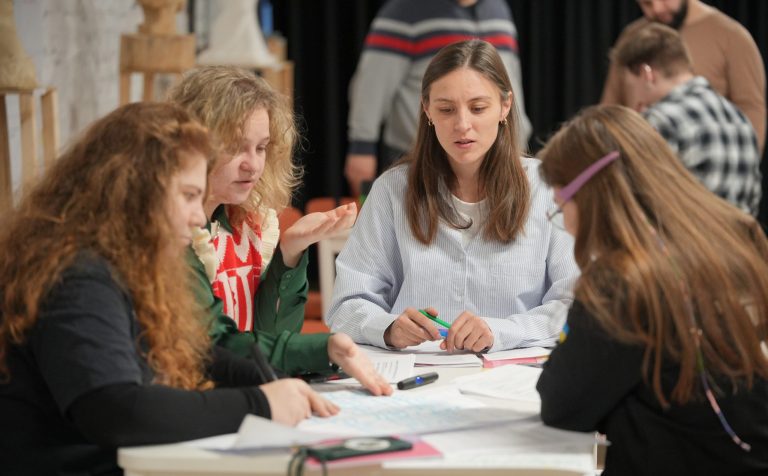
A partnership that builds resilience
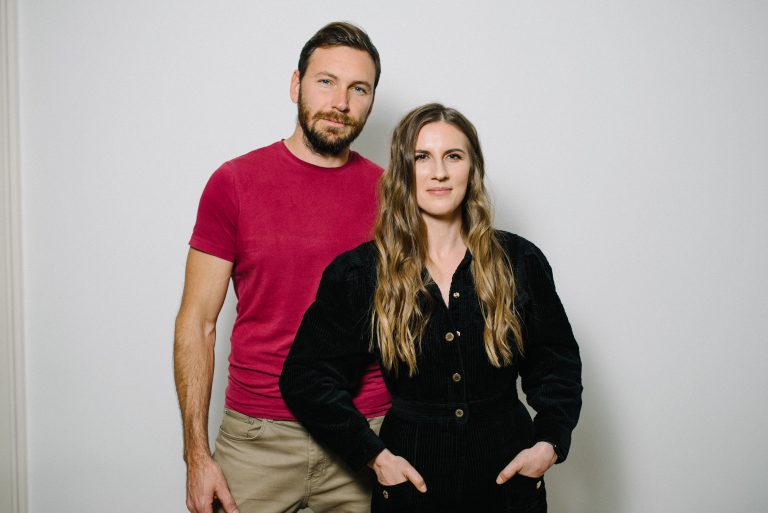
Packaging from mushrooms: how a Ukrainian start-up is contributing to Europe’s green economy
From idea to energy: how Kyiv youth are developing the ‘energy willow’ project
A space where science comes to life: how an interactive museum in Ternopil is inspiring the community


The information on this site is subject to a Disclaimer and Protection of personal data. © European Union,
