

Cross-border cooperation to boost flood safety in Moldova
The effects of climate change are getting ever more devastating, as the recent tragic floods in Valencia have shown. Floods, once rare or seasonal, now increasingly frequent, make early warning essential for effective preparation and impact mitigation. In case of large river basins, like the Danube or the Dniester, flooding often affects regions across national borders, driving neighbouring countries to develop coordinated responses for the efficient management of flood risks. This is the case of the Co-Prevent project (funded by the EU’s Black Sea Basin ENI CBC Programme), which increases local capacities to monitor, prevent and respond to floods in Türkiye, Bulgaria, Greece and the Republic of Moldova. Visiting Moldova, we had a chance to see the improvements on the ground.
Flooding has been a recurrent issue in Moldova, particularly in spring and early summer when heavy rainfall and melting snow cause rivers to swell. Many of the country’s rivers drain into the Dniester and the Prut, increasing the risk of floods, especially in the southern and central parts situated along major river basins. These floods often result in significant damage to homes, infrastructure and agricultural land, impacting both rural and urban communities.
“Căușeni, a city in the south-east of the Republic of Moldova on the Botna River, a tributary of the Dniester, is an area highly vulnerable to flooding. The most recent flood was in 2021, when heavy rains and the rise of the Dniester River submerged over 100 hectares of agricultural land,” says Ghenadie Florea, a rescuer at the Regional Department for Emergency Situations in Căușeni.
The threat of flooding in this area can be attributed not only to natural factors. The Dniester Hydroelectric Power Station in Ukraine, near the border with Moldova, has been a frequent target for Russian strikes. If the dam were to be destroyed, the consequences could be devastating for people, harvests and the environment, not only in the two countries, but also in Romania.
These challenges highlight the importance of a robust early warning system, able to quickly provide critical information for the timely evacuation of residents and for taking preventive measures to protect their properties and lives. This solution was brought by the Co-Prevent project, implemented jointly by Türkiye, Bulgaria, Greece and the Republic of Moldova.
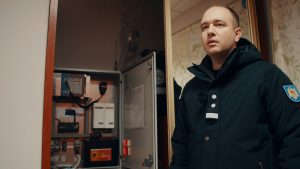
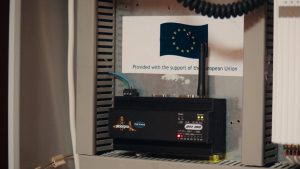
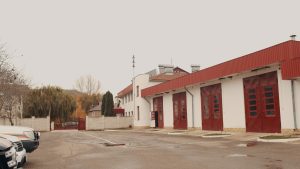
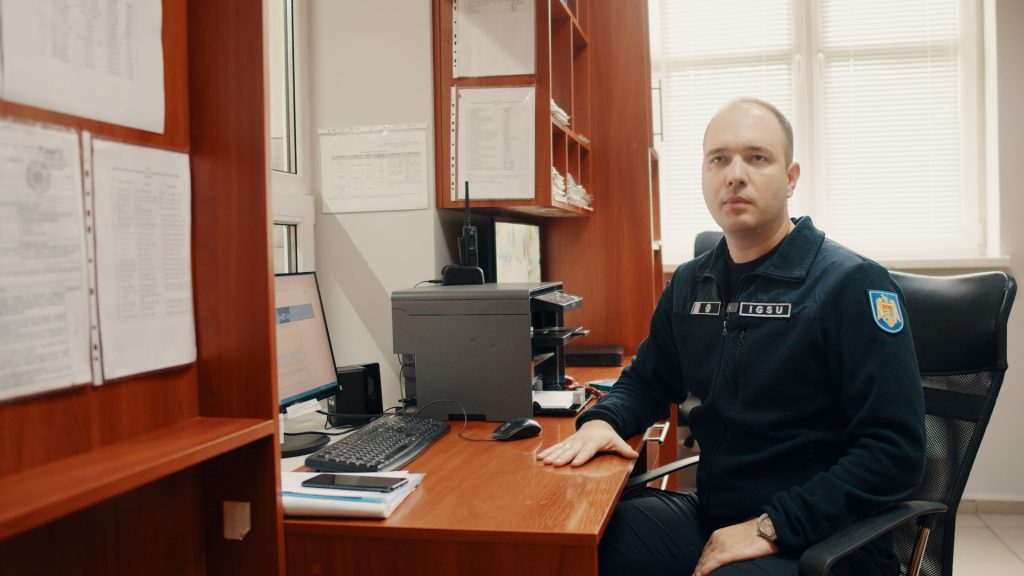
“One of the important small-scale investments within the Co-Prevent project in the Republic of Moldova was a modern flood early warning system. We managed to centralise and to connect ten digital sirens for the early warning of the population, previously isolated and autonomous, into a single platform. Six sirens with the relevant hardware are located in the northern part of the country in the Briceni district on the Prut River and four of them are in the southeastern part, in the Căușeni district. These sirens can now be activated remotely 24/7 from the headquarters of the General Inspectorate for Emergency Situations in case of flood risk,” says Dan Gritco, Head of the General Directorate for Response of the General Inspectorate for Emergency Situations of the Ministry of Internal Affairs of Republic of Moldova.
Co-Prevent brought together beneficiaries from the four countries to develop innovative solutions for improving data sharing and cross-border information exchange systems on disaster situations within the Black Sea Basin. One of their key achievements is the establishment of a common data sharing platform for flood risks. In the Republic of Moldova, the platform tracks water levels in the Dniester and the Prut rivers to effectively monitor flood-prone areas.
In addition to monitoring and alerts, a crucial component of the early warning system is the response capacity – the knowledge and timely, coordinated actions to protect those at risk. To enhance this capacity, Co-Prevent organised trainings, attended by Moldovan volunteers together with their counterparts from other participating countries, which covered the topics of search, rescue, first aid and disaster management.
The experience of the Republic of Moldova highlights the vital role of cross-border cooperation and technological innovation for the prevention and coordinated response to natural disasters, like floods and fires. These efforts contribute to greater resilience and safety across the Black Sea region. Building on the achievements of Co-Prevent, the partners continue their collaboration under the Co-Resilience project, which aims to protect communities and ecosystems by reducing their vulnerability to wildfires and promoting sustainable management practices.
Author: Volha Prokharava, TESIM
MOST READ



SEE ALSO

Moldova between reforms and hybrid threats: the European path of a country on the front lines

Heading an environmental organisation at the age of 29: Vladimir Ternavschi on his superpower to bring people and ideas together

‘Europe became real faces and real stories’: Young European Ambassadors look back on ten years of friendships and community projects
Seamstress turns entrepreneur with support from EU4Youth in Moldova
Artificial intelligence that makes a difference in people’s lives: how EU4Youth helped Denis Zacon achieve his social mission


The information on this site is subject to a Disclaimer and Protection of personal data. © European Union,
