

European Council: fifty years of working together
The European Council has published a special page explaining how it was created and how it has become a strategic institution of the EU.
The page explains how the European Council grew from the summits of the heads of state or government of the six countries that founded the European Communities after the Second World War. The first European Summit took place in Paris, in February 1961.
On 9 and 10 December 1974, at the invitation of French President Valéry Giscard d’Estaing, the heads of state or government met for another summit in Paris, which would later be regarded as the moment when the European Council was founded.
After the summit, Giscard d’Estaing announced to the press: “The European summit is dead, long live the European Council!”
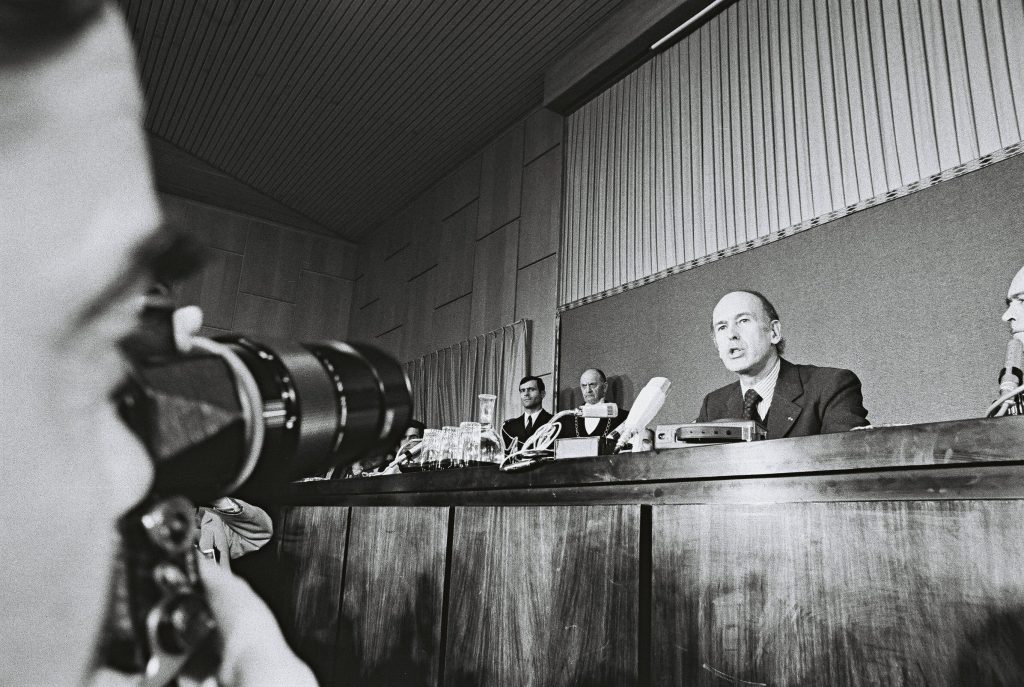
The page also features the adoption of the treaties, giving the European Council more powers and making it more efficient.
The page also tells about the challenges that the EU has faced, including the migration crisis, Brexit, COVID-19, and Russia’s aggressive war against Ukraine.
“After Russia launched its full-scale war of aggression against Ukraine in 2022, the European Council took important decisions to reduce strategic dependencies, phase out the EU’s dependency on Russian gas and bolster defence capabilities,” says the page. “Ukraine and Moldova are now candidate countries for European Union membership.”
This page also presents former and current presidents of the European Council and provides important facts and figures.
Find out more
MOST READ





SEE ALSO
Armenia: EU launches partnership mission to support resilience against evolving hybrid threats

EU denounces Russia’s malicious cyber ecosystem targeting Union and its international partners
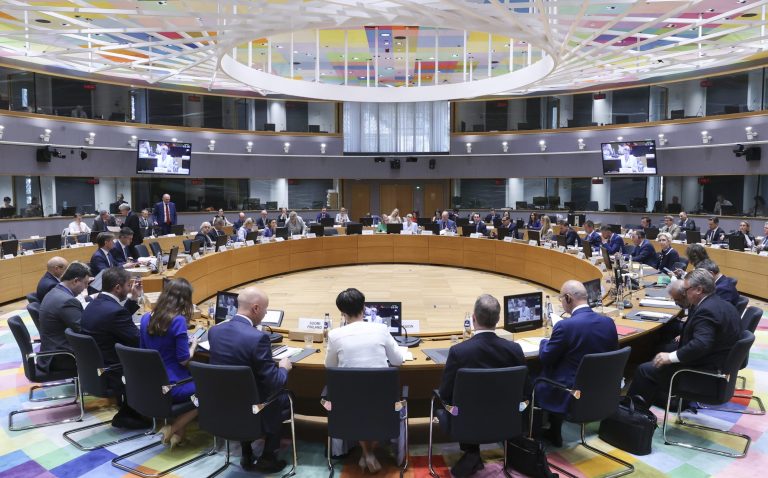
EU Foreign Affairs Council to discuss support to Ukraine and new Partnership Mission for Armenia
DG HOME: Poland sees new research and changes to policies on migrant integration
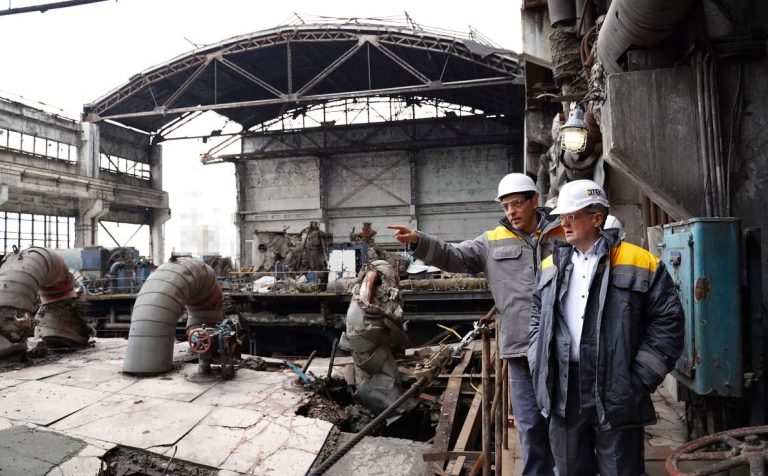
With Sweden’s contribution to the Ukraine Energy Support Fund, total lifetime contributions reach €2 billion


The information on this site is subject to a Disclaimer and Protection of personal data. © European Union,
