

Demographic Resilience and Sustainable Development in Georgia
The 2024 UNFPA publication Demographic Resilience and Sustainable Development in Georgia provides an in-depth analysis of Georgia’s demographic trends, with a particular focus on gender-related challenges that impact the nation’s resilience and sustainable development. The study highlights a continued cultural preference for sons in Georgia, influenced by entrenched socio-economic and gender norms. This preference, rooted in patrilineal traditions and conventional economic roles, has led to a sex ratio at birth of 109.4 males per 100 females, surpassing the natural norm. Such imbalance poses long-term demographic and societal challenges. Despite reductions in abortion rates, the report identifies significant gaps in reproductive health services. Many women lack adequate access to family planning methods and infertility treatments, indicating a need for improved healthcare infrastructure and education. Women in Georgia face notable challenges in the labour market, including underrepresentation in certain sectors and a mismatch between educational attainment and employment opportunities. These disparities hinder the full utilization of the country’s human capital and affect economic growth. Traditional expectations often assign caregiving and domestic responsibilities to women, limiting their participation in the workforce and public life. This dynamic not only affects women’s personal and professional development but also has broader implications for demographic resilience.
Download
MOST READ








RELATED
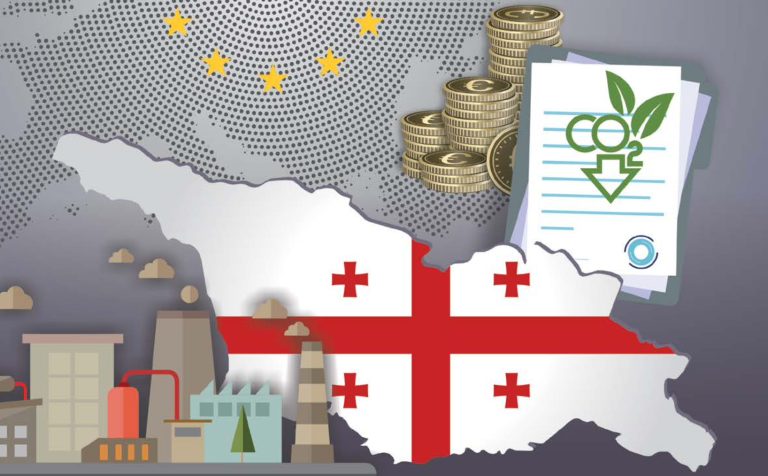
Impact of the EU Carbon Border Adjustment Mechanism (CBAM) on Georgia’s Economy

Annual Survey 2026: Georgia
Georgia annual survey 2026 – country report

EU Best Practices on wastewater treatment: energy efficiency and sludge valorisation solutions catalogue
EBRD’s Regional Economic Prospects report June 2026


The information on this site is subject to a Disclaimer and Protection of personal data. © European Union,
