

Vocational education and training in Ukraine: country remains focused on the future, says ETF
Despite the war, Ukraine is continuing on the trajectory of vocational education and training (VET) development, says a new Torino Process monitoring report for Ukraine presented recently by the European Training Foundation.
The Torino Process is a periodical review of policies and practices in vocational education and training (VET), conducted jointly by the ETF and its partner countries since 2010. In the specific case of Ukraine – an active participant in the Torino Process – the monitoring also considered the effects of the ongoing war on the country’s VET system, and looked at priorities for the future.
Presenting the results of the new report, the ETF’s Senior Human Capital Development Expert, Mihaylo Milovanovitch, said that Ukraine offers an interesting case study: although access to initial VET programmes and their attractiveness remain a challenge, Ukraine outperforms other countries in access to continuing vocational training and other learning opportunities for adults and young people.
At the same time, the employability of Ukraine’s VET graduates remains modest, and links with the labour market could be stronger, says the ETF’s report. Also, the country’s VET system lags behind other countries in promoting excellence in pedagogy and in the professional development of teachers and trainers.
Despite the long shadow cast by the war, the country has launched a comprehensive reform aimed at supporting its reconstruction and European integration. “The needs of reconstruction imply a whole new mindset with regard to the role of VET in Ukraine,” said Olena Lokshyna, the national Torino Process expert for Ukraine.
“These results confirm that despite the aggression, Ukraine remains focused on the future,” concluded ETF Director Pilvi Torsti. “Together, we can make a difference.”
Find out more
MOST READ



SEE ALSO
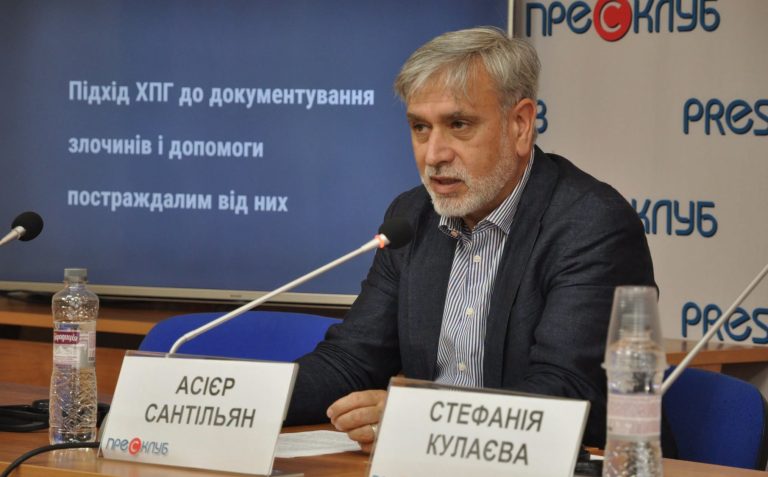
Ukrainian civil society documents more than 100,000 incidents of international crimes with EU support
EU sanctions VK group and leadership of prison in Russia, detaining Ukrainian civilians and prisoners of war

EU denounces Russia’s malicious cyber ecosystem targeting Union and its international partners
EU Foreign Affairs Council to discuss support to Ukraine and new Partnership Mission for Armenia
DG HOME: Poland sees new research and changes to policies on migrant integration


The information on this site is subject to a Disclaimer and Protection of personal data. © European Union,
