

Training promotes inclusive military leadership and gender equality in Moldova
On 20 March, military leaders in the Republic of Moldova gained capacities to promote inclusivity and gender equality in the defence sector through training delivered by the EU4Gender Equality Reform Helpdesk project, funded by the European Union and implemented by Niras.
The in-person training entitled ‘Leadership in the military that promotes inclusivity: fostering gender equality and enhancing unit cohesion’, took place in Chișinău and engaged 40 commanders of military units from the Ministry of Defence (34 men and 6 women). Participants learned to integrate a gender perspective into security and defence processes, equipping them to build cohesive, inclusive units capable of responding effectively to contemporary security challenges. Active participation in the training reflects growing commitment to inclusive leadership and gender equality within Moldova’s defence community.
Through a combination of practical exercises, presentations and group discussions, participants explored how leadership practices can shape a respectful, supportive and cooperative environment in military structures. The training deepened military commanders’ knowledge, practical skills and professional competencies to apply approaches that foster gender equality, cohesion and operational effectiveness in their units.
One of the key topics covered by the training was ‘Gender equality and cohesion: Premises for ensuring inclusive security’. Participants examined the concept of gender equality and discussed the different security needs of women and men. To be able to design effective responses in the security and defence sector, they learned how vital it is to understand these different needs. The training also emphasises the relationship between gender equality, social cohesion and good governance – showcasing how inclusive leadership contributes to stronger institutions and builds trust between military teams and society as a whole.
Another important component of the training focused on ‘Integrating a gender perspective into the security and defence sector’. This session introduced participants to the principles of the Women, Peace and Security Agenda and explored its relevance to military leadership and operations. It provided practical insights on gender mainstreaming and gender analysis, demonstrating how commanders can apply these approaches in planning, decision-making and daily management of their units.
Interactive exercises enabled participants to reflect on real-life situations in military environments, and identify strategies for promoting fairness, mutual respect and effective teamwork. These exercises encouraged dialogue among commanders, supporting the exchange of experiences and good practices. Mihaela Mîrza, Senior Officer at the Human Resources Policy Department, Ministry of Defence, commended the usefulness of the training and collaboration with the EU-funded EU4Gender Equality Reform Helpdesk project. “The activity was auspicious,” she said, “and we appreciate your openness for collaboration and the support you offer us.”
This training is part of the EU4Gender Equality Reform Helpdesk project’s support for gender equality and women’s empowerment across the Eastern Neighbourhood region, including in Moldova.
Learn more about the EU’s support for gender equality in the Eastern Neighbourhood region
Factsheet on the EU4Gender Reform Helpdesk Phase II
EU4Gender Equality Helpdesk Phase II project page
MOST READ

RELATED PROJECTS

SEE ALSO
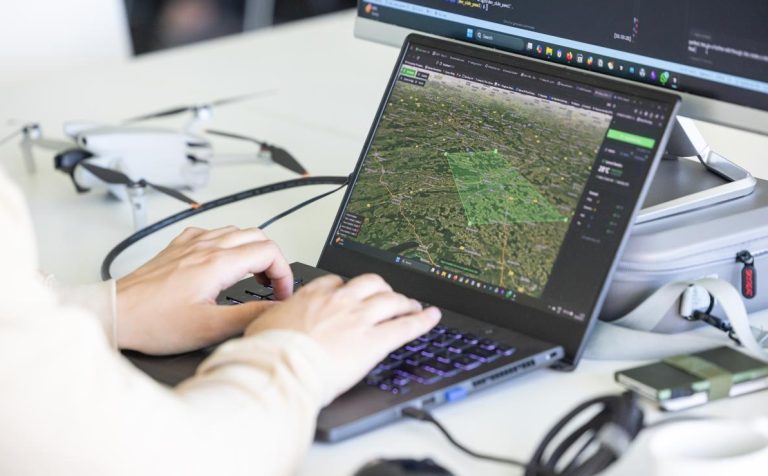
EU denounces Russia’s malicious cyber ecosystem targeting Union and its international partners
EU Foreign Affairs Council to discuss support to Ukraine and new Partnership Mission for Armenia
DG HOME: Poland sees new research and changes to policies on migrant integration
European Parliament praises Moldova for reforms despite Moscow interference
Moldova: 383 companies receive EU-backed grants so far this year


The information on this site is subject to a Disclaimer and Protection of personal data. © European Union,
