

Moldova: EBRD projects 2.8 per cent growth in 2026 and 3.5 per cent in 2027
The Moldovan economy has been expanding modestly, but now faces renewed inflationary and growth risks from energy shocks, though the impact will be partly mitigated by EU support, says the latest edition of a flagship economic report by the European Bank for Reconstruction and Development (EBRD), published on 3 June.
Real GDP expanded 2.4 per cent in 2025, supported by a strong performance from agriculture, construction and ICT, alongside robust investment. Net exports declined markedly, however, as imports surged, widening the current account deficit.
The conflict in the Middle East caused another energy shock for Moldova, which may lead to a resurgence of inflation and weaken economic growth. The authorities have introduced a state of high readiness in the energy sector, effective for 60 days from the end of April 2026, to ensure a prompt response to the persistent damage to electricity lines from Romania and instability in the Middle East.
After falling to 4.9 per cent in December 2025, inflation rose again to 5.8 per cent in March 2026. Fiscal policy remains accommodative, with the budget deficit projected to widen from 4.0 per cent of GDP in 2025 to 4.8 per cent in 2026 amidst higher public investment and energy-related spending, largely financed by external concessional support. EU financial support for energy security has been maintained in early 2026 and is likely to continue playing a critical stabilising role.
Growth is projected at 2.8 per cent in 2026 and 3.5 per cent in 2027. Risks stemming from global energy price volatility linked to the conflict in the Middle East and weak external demand remain significant.
Find out more
MOST READ




SEE ALSO

Europol: more than 1,000 arrests in global operation against human trafficking
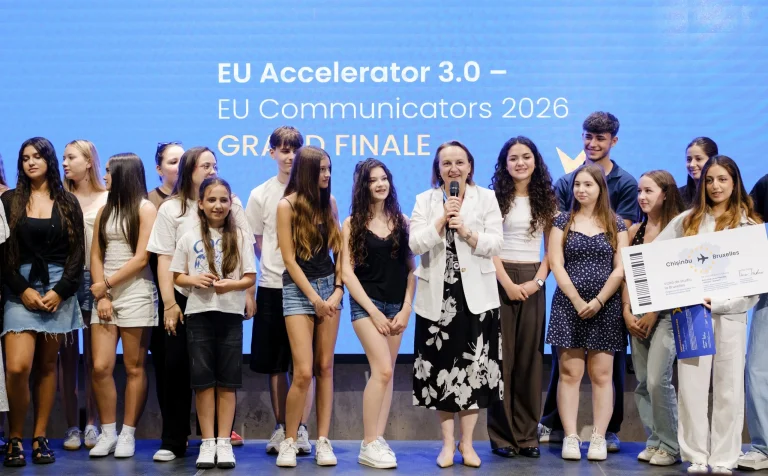
Moldovan students to visit Brussels after winning EU Accelerator 3.0 programme
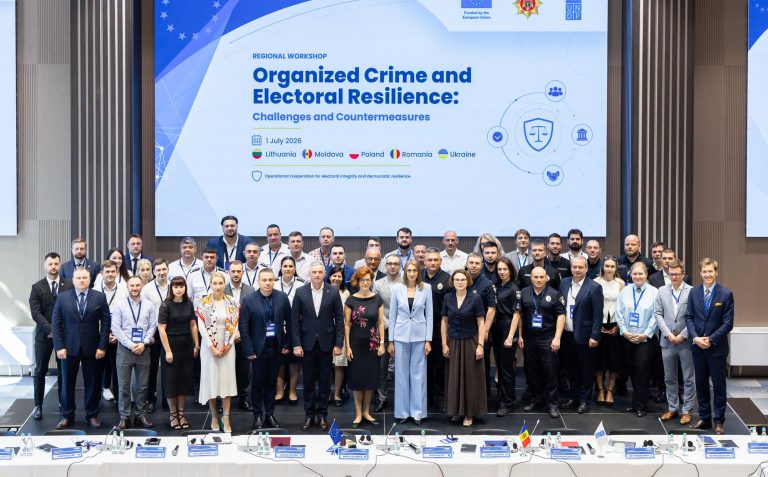
Organised crime and electoral resilience: regional forum brings together law enforcement officials from Moldova, Ukraine and EU Member States
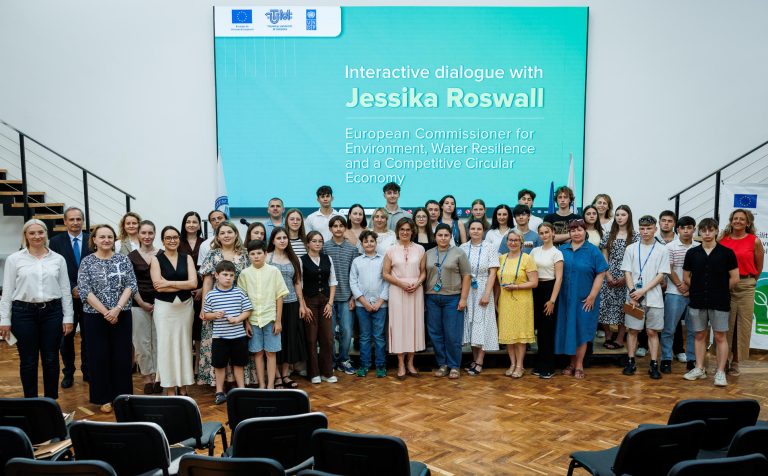
EU and UNDP help draft roadmap for development of green skills in key economic sectors of Moldova

EU-Moldova joint internship programme launches its five edition

The information on this site is subject to a Disclaimer and Protection of personal data. © European Union,
