

Legal migration: Council and Parliament reach deal on single permit directive
On 20 December, the Spanish presidency of the Council and the European Parliament reached a deal on an update of an EU law that deals with legal migration to the EU labour market.
The single permit directive sets out the application process for EU countries to issue this single permit, and establishes common rights for workers from third countries. Member states keep the final say about which and how many third-country workers they want to admit to their labour market.
“This will give a boost to international recruitment of talent. In addition, more rights for third-country workers and their equal treatment compared to EU workers will reduce labour exploitation,” a press release by the Council of the EU said.
Application procedure
A third-country worker can submit an application from the territory of a third-country or, according to the agreement reached between the co-legislators, from within the EU if he or she is a holder of a valid residence permit. When a member state decides to issue the single permit, this decision will serve both as residence and as work permit.
Duration
The Council and European Parliament decided that issuing a single permit should be made within three months after receipt of the complete application. This period also covers the time needed to check the labour market situation before a decision on the single permit is adopted. Member states will then issue the requisite visa to allow initial entry into their territory.
Change of employer
Single permit holders will have the possibility to change employers, subject to a notification to the competent authorities. Member states may also require a minimum period of time during which the single permit holder is required to work for the first employer. In case of loss of employment, third-country workers are allowed to remain in the territory of the member state if the total period of unemployment does not exceed three months during the validity of the single permit or six months after two years of the permit.
Following the approval of the deal, the text will now have to be formally adopted by both the Council and European Parliament.
Find out more
MOST READ






SEE ALSO
Armenia: EU launches partnership mission to support resilience against evolving hybrid threats

EU denounces Russia’s malicious cyber ecosystem targeting Union and its international partners
EU Foreign Affairs Council to discuss support to Ukraine and new Partnership Mission for Armenia
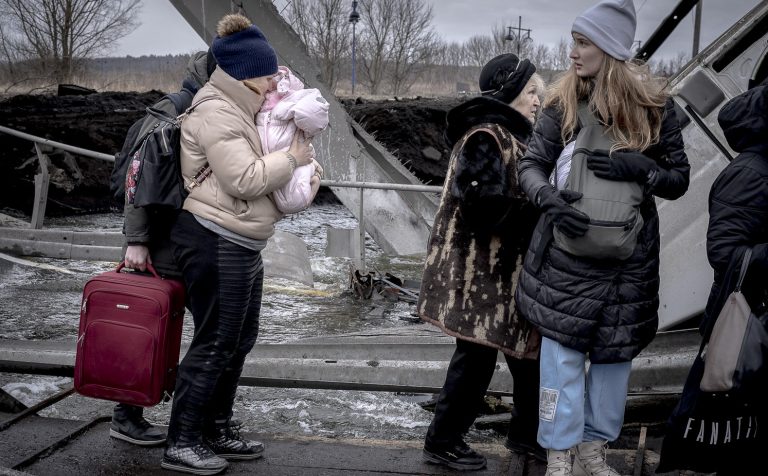
DG HOME: Poland sees new research and changes to policies on migrant integration

With Sweden’s contribution to the Ukraine Energy Support Fund, total lifetime contributions reach €2 billion


The information on this site is subject to a Disclaimer and Protection of personal data. © European Union,
