

EU Ministers praise Moldova and Ukraine on EU path and note serious backsliding in democracy in Georgia
On 16 December, EU Ministers responsible for European affairs meeting in the General Affairs Council took stock of progress made on the enlargement process, with the Presidency issuing conclusions politically supported by 26 member states.
The document set out the EU’s political priorities, assessed the situation in each of the EU’s partners and set out guidelines for further reforms.
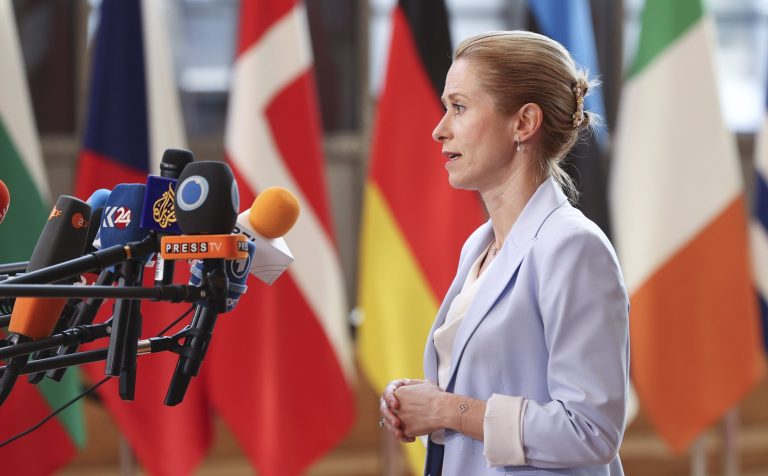
“We have made progress on the enlargement agenda – especially with Ukraine, Moldova, Albania and Montenegro,” said Marie Bjerre, Minister for European affairs of Denmark, representing the Danish Presidency at the Council of the EU. “Unfortunately, it was not possible to adopt Council conclusions due to one member state blocking but 26 member states have sent a clear and strong signal on the way forward for all aspiring members.”
The Council reconfirmed the geostrategic importance of enlargement and urged all partners “to seize the opportunity, use the current momentum and take all necessary steps to accelerate their progress on the EU path”.
The Council welcomed the successful and timely completion of the screening process by Ukraine and Moldova, and said it was looking forward to the opening of six clusters with both candidates, “starting with the fundamentals cluster without delay and followed by the other clusters, in accordance with the methodology and the negotiating frameworks”.
The Council noted Ukraine’s continued efforts in strengthening the rule of law, and on
moving forward on judicial and public administration reforms which “remain essential for
advancing on the EU path”.
“The independence, impartiality and integrity of the judiciary remain key. The Council further underlines the need for Ukraine to continue to fill the vacancies in the Constitutional Court through a transparent and merit-based selection process without further delays and ensure the Court’s functionality and administrative capacity,” the Conclusions say.
The Council welcomed Moldova’s steady progress on the EU accession path. The Council encourages Moldova to continue fighting corruption, increasing prosecution capacity and improving judicial independence. The Council also said Moldova should continue advancing its comprehensive justice reform, including finalising the vetting and appointment of judges and prosecutors, and strengthening the independence and integrity of the judiciary.
Regarding Georgia, the Council reaffirmed the Union’s support to “the aspirations of the vast majority of Georgian people for a European future”.
“The actions taken by the Georgian authorities fall short of the EU’s expectations of a candidate country. The Council notes the serious general backsliding in democracy, human rights and rule of law, including the adoption of repressive legislation undermining fundamental rights and freedoms, the political instrumentalisation of the judiciary, the persecution of opposition leaders, arbitrary arrests of protesters and journalists and a shrinking civic space,” the document says.
The Council also condemned and called for an end to disinformation and anti-EU narratives spread by the Georgian authorities.
Find out more
MOST READ






SEE ALSO
Ukrainian civil society documents more than 100,000 incidents of international crimes with EU support
EU sanctions VK group and leadership of prison in Russia, detaining Ukrainian civilians and prisoners of war

EU denounces Russia’s malicious cyber ecosystem targeting Union and its international partners
EU Foreign Affairs Council to discuss support to Ukraine and new Partnership Mission for Armenia
DG HOME: Poland sees new research and changes to policies on migrant integration


The information on this site is subject to a Disclaimer and Protection of personal data. © European Union,
