

EBRD: Conflict in the Middle East may dampen economic momentum in Georgia, hitting tourism and pushing up energy prices
Georgia continued to record strong growth, driven by the construction, information and communications technology (ICT) and services sectors, according to the latest edition of a flagship economic report by the European Bank for Reconstruction and Development (EBRD), published on 3 June.
Georgia’s real GDP grew by 7.5 per cent in 2025, led by services, as tourism remained an important driver of economic performance. Income from inbound travel was equivalent to 12.3 per cent of GDP in 2025, though growth in the sector was nearly flat in the first quarter of 2026.
On the demand side, private consumption was underpinned by solid real wage growth and strong credit expansion, while capital investment contracted for the first time since 2021.
Growth accelerated further to an estimated 9.1 per cent year on year in the first quarter of 2026. Inflation has exceeded the National Bank of Georgia’s 3.0 per cent target since March 2025, reaching 5.9 per cent year on year in April 2026. The fiscal deficit narrowed from 2.3 per cent in 2024 to 1.4 per cent of GDP in 2025 on the back of robust revenue growth and under-execution of capital spending.
The public debt-to-GDP ratio fell to 34.4 per cent in 2025, supported by strong nominal GDP growth and a stable exchange rate. The current account deficit declined from 5.3 per cent in 2024 to an historical low of 2.6 per cent of GDP in 2025. Gross international reserves increased to US$ 6.5 billion in April 2026, providing around four months of import cover. Real GDP is forecast to grow by 6.0 per cent in 2026 and 5.0 per cent in 2027.
The implementation of flagship investment projects in the real estate, transport and renewables sectors could foster even higher growth. However, the conflict in the Middle East may dampen economic momentum by way of lower tourism revenues and higher costs for imported energy.
Find out more
MOST READ





SEE ALSO
EU Foreign Affairs Council to discuss support to Ukraine and new Partnership Mission for Armenia
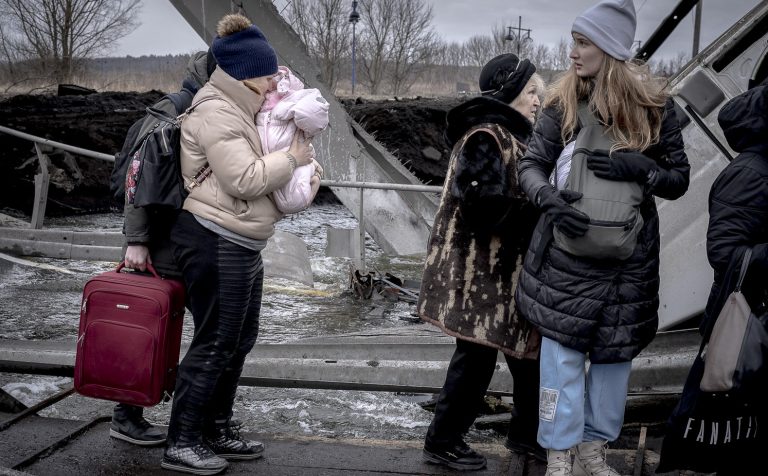
DG HOME: Poland sees new research and changes to policies on migrant integration
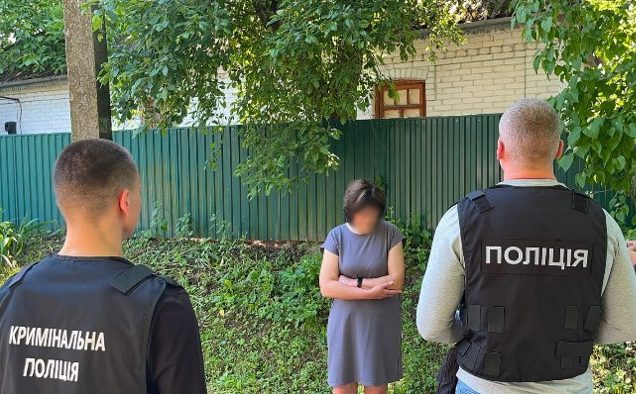
Europol: more than 1,000 arrests in global operation against human trafficking
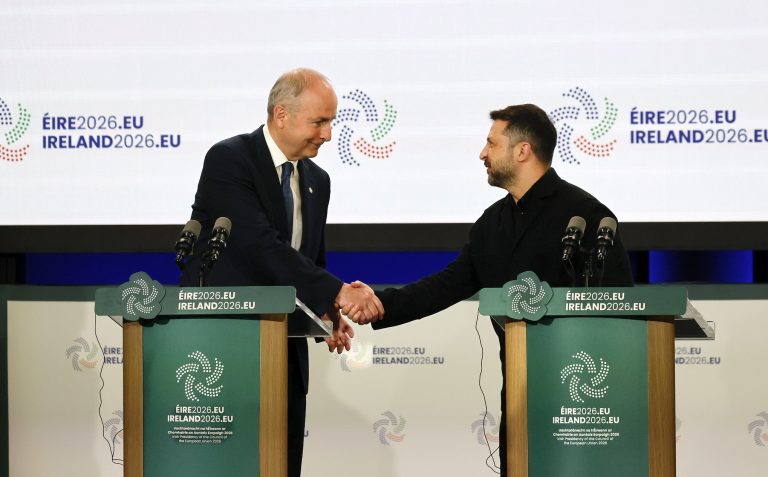
Ireland pledges support for Ukraine and candidate countries as it assumes Presidency of Council of the EU

Georgian small and medium-sized enterprises expand to global markets with EU and UNDP support


The information on this site is subject to a Disclaimer and Protection of personal data. © European Union,
