

Turning dreams into opportunities: supporting Erasmus+ for a Ukrainian school
Photo source: Alamy
I am a young Ukrainian student. I had moved to the Czech Republic in March 2022, because of the war in Ukraine, when, after just a few months, I first heard about Erasmus+ completely by accident. One evening, at around 10pm, some friends sent me a message about a last-minute opportunity: someone had dropped out of a project in the Czech Republic, and they needed a replacement. It was happening almost immediately. I didn’t really understand what the project was about, but one phrase caught my attention: “opportunity to work in English.” The next morning, I was on a train to Železná Ruda. I’ve always been open to spontaneous decisions, but I didn’t realise at that moment how much this one would change things.
When I arrived, I saw a group of young people from different countries introducing themselves, sharing expectations, laughing, and already connecting. I stood there slightly confused, trying to understand where exactly I had ended up. That was the moment I realised I had accidentally joined an Erasmus+ Youth Exchange.
Everything felt completely new. I had never experienced non-formal education before, and kept asking what was going on – what’s an icebreaker, why do we need a “secret friend”, why are we constantly splitting into groups? But something started to shift quite quickly. Day by day, I began to understand how it all worked. We were working on the theme of “Skills for the Future”, but it wasn’t just about the topic – it was about the process. Living together, spending entire days in the same space, exchanging ideas, listening to different perspectives. I got to know around 30 people from five countries, and in just a week, they didn’t feel like strangers any more.
By the end of those seven days, I realised I had discovered something I didn’t even know existed. It felt like opening a door to a completely new world – one where learning is interactive, where your opinion matters, and where connections happen naturally. I was 19 at the time, and I remember thinking how lucky I was to discover this so early – to still have years ahead to explore these opportunities.
When I got home, I started searching for more projects. And once you start looking, you realise how many options actually exist. Over the next three years, I participated in seven more youth exchanges in countries including Poland, Turkey, Italy, Bulgaria, and Georgia. Each experience was different, but every single one of them gave me something valuable. I returned home each time slightly different, more open, more confident, and honestly, a bit happier.
At some point, though, I started noticing something else. Almost no one around me knew about these opportunities. For me, Erasmus+ had already become something incredibly meaningful, but for many others, it simply didn’t exist in their reality. That didn’t feel right. So I started sharing it. First, I began volunteering in a Ukrainian organisation called ‘Stella’. Then I started organising small sessions for young people, explaining what Erasmus+ youth exchanges are, how to apply for them, and where to find them. For young Ukrainians abroad, these exchanges are often the first time that Europe feels like a space to which they belong, not just one in which they’ve arrived.
Later, I took another step and became involved in the application process. Instead of just participating, I wanted to help create these experiences for others. In 2025, I realised I wanted to go even further. Most youth exchanges are designed for people aged 18 and above, but I kept thinking about younger teenagers. About how important those years are, when your worldview is still forming, when you are deciding who you want to become. I wanted them to have access to the same kind of experience I had.
So I reached out to my former school in Nizhyn, in the Chernihiv region of Ukraine. By that time, I already had some experience and international partners, so I started helping the school go through the entire process – from registration in Erasmus+ systems, to preparing documents and communicating with partners. It wasn’t easy, and it definitely wasn’t quick. But about five months later, we received confirmation: the project was approved. Students aged 14 to 16 would have the chance to participate in a youth exchange in Bratislava. For me, this wasn’t just an organisational success. It meant that real teenagers, not abstract numbers, would get the chance to experience something beyond their everyday reality.
And that reality, especially in regions like Chernihiv, is not simple. Ukrainian pupils live with constant uncertainty – air raid sirens, shelters, electricity cuts, online learning, loss. In such conditions, education often becomes secondary to simply staying safe.
But I strongly believe that even in these circumstances, or maybe especially because of them, young people need opportunities to grow, to connect, to see a different world. I cannot change everything. But I can create small opportunities. And sometimes, small opportunities are enough to change someone’s path. Through Erasmus+, these teenagers can experience something different. They can communicate in English, meet people from other countries, exchange ideas, and also share their own story – about Ukraine, about their lives, about resilience.
If everything goes as planned, the project will take place in September 2026, and seeing it happen will be one of the most meaningful results of everything I have worked on so far.
When we talk about the future of Europe and EU enlargement, we often think about politics, negotiations, and institutions. But there is another side to this process, a human one. It’s about connections, understanding, and shared experiences. Every Ukrainian teenager who spends a week abroad, presents their country to peers from Italy or Georgia, and keeps those friendships alive after the project ends. This is enlargement in practice. It happens quietly, in workshop halls and shared dorm rooms, but it is real. Ukraine’s path into the EU will be shaped by treaties and reforms, but also by whether a generation of Ukrainians actually feels European by the time that path is complete.
Programmes like Erasmus+ don’t just support education. They shape how young people see the world, how they understand one another, and how they imagine their future. And the most important part is that you don’t need to be in a position of power to contribute to that.
Sometimes, all it takes is noticing that something matters – and deciding to act. If you’re reading this, maybe this is your moment to start!
LATEST
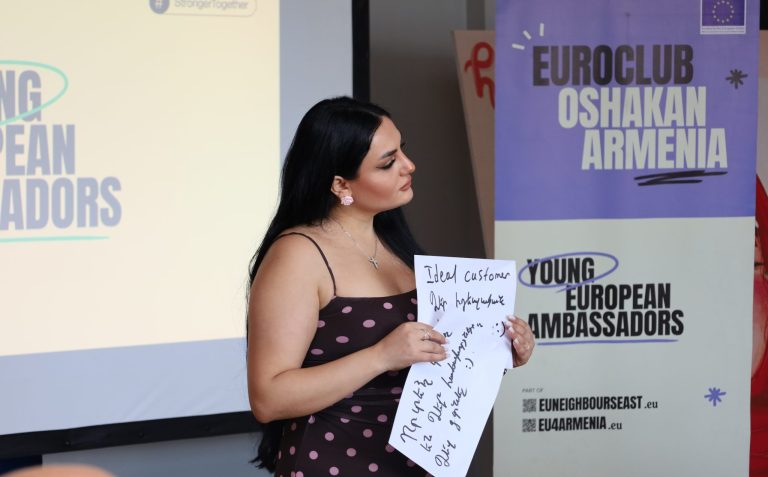
From displacement to enterprise: rebuilding my community through entrepreneurship
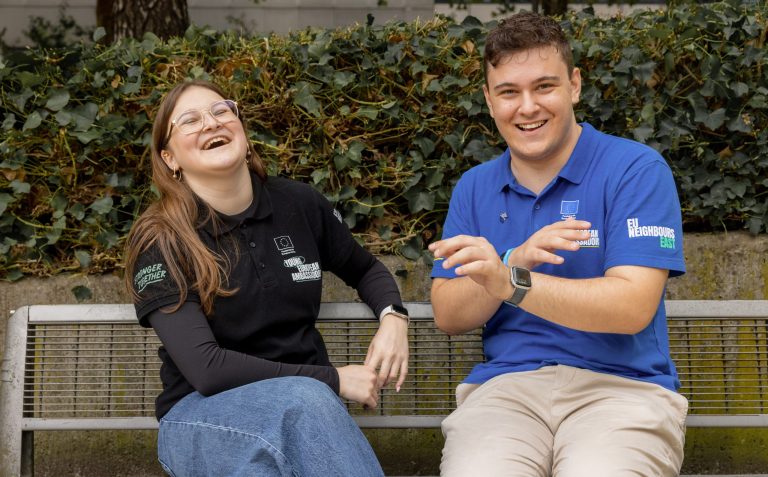
A message from the YED Coordinators
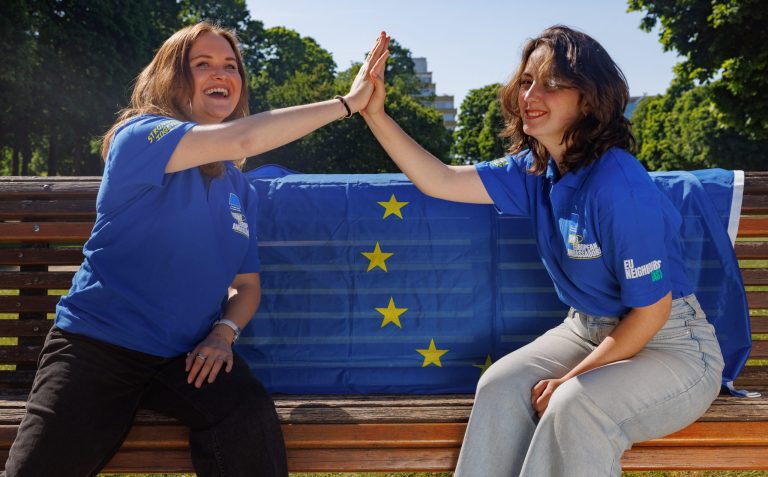
My personal experience as a Young European Diplomat viewing the EU for the first time
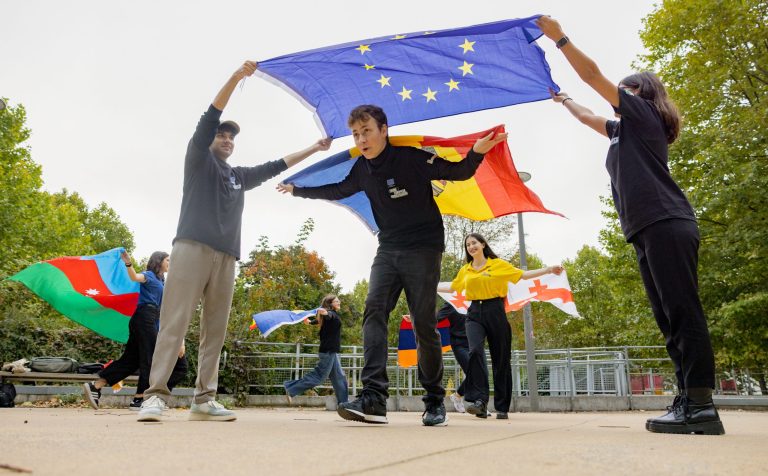
A blueprint for enlargement: what we can learn from Moldova, Ukraine, and Montenegro
Young European Diplomats Club


The information on this site is subject to a Disclaimer and Protection of personal data. © European Union,
