

Disinformation, EU enlargement and everyone caught in between: how YEAsVSDisinfo shaped my view on the future of Europe
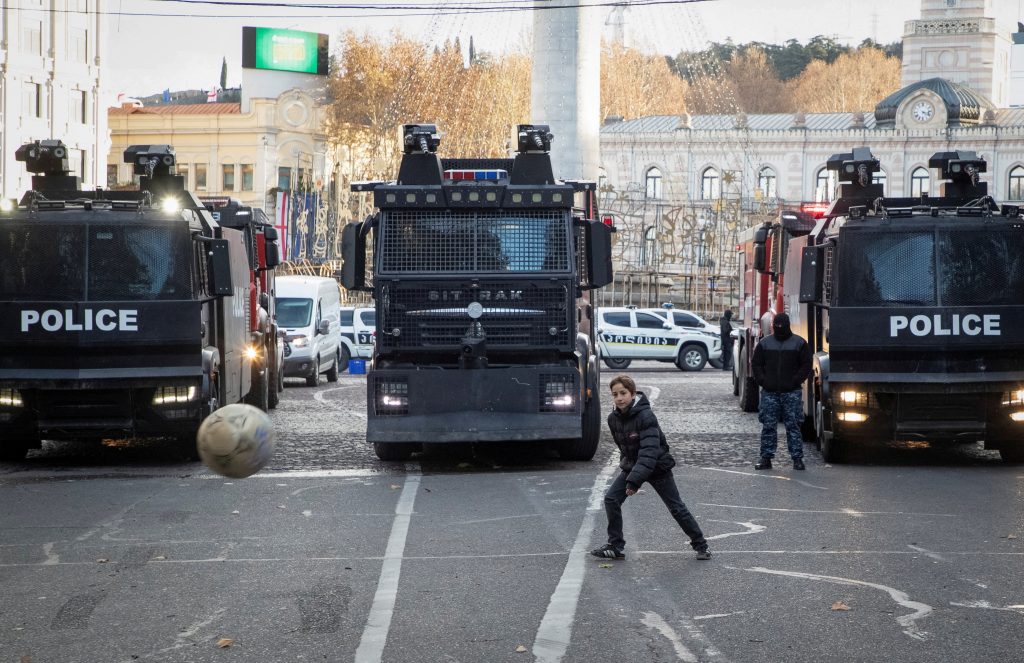
Photo source: Reuters
The content we consume shapes the way in which we see the world. And so it also shapes how we see Europe. Apart from influencing the online trends into which we buy, our social media feeds can affect how we might vote in a referendum, whether we believe in projects like the European Union, and what we think of expanding it. There is just one problem with this: information can easily be manipulated. And unfortunately, it often is. In recent years, we have seen an increase in disinformation campaigns in both the EU and the Eastern Partnership countries. These often aim to promote negative views of integration, polarise societies, and ultimately challenge or even derail accession processes. So, there is an important link between promoting EU enlargement and fighting disinformation, something we work on within the YEAsVSDisinfo working group!
But before I tell you more about YEAsVSDisinfo and enlargement, let me clarify a few terms with the help of the European Council. Disinformation relates to the “dissemination of false or misleading content with the intention of deceiving or seeking economic or political gains”. It is this intention that separates it from another common concept: misinformation, which happens without malicious intent. Additionally, we can also talk about a more coordinated approach to disinformation: foreign information manipulation and interference (FIMI). This operates on the same principles but is often part of broader hybrid campaign strategies with political, security, or strategic goals.
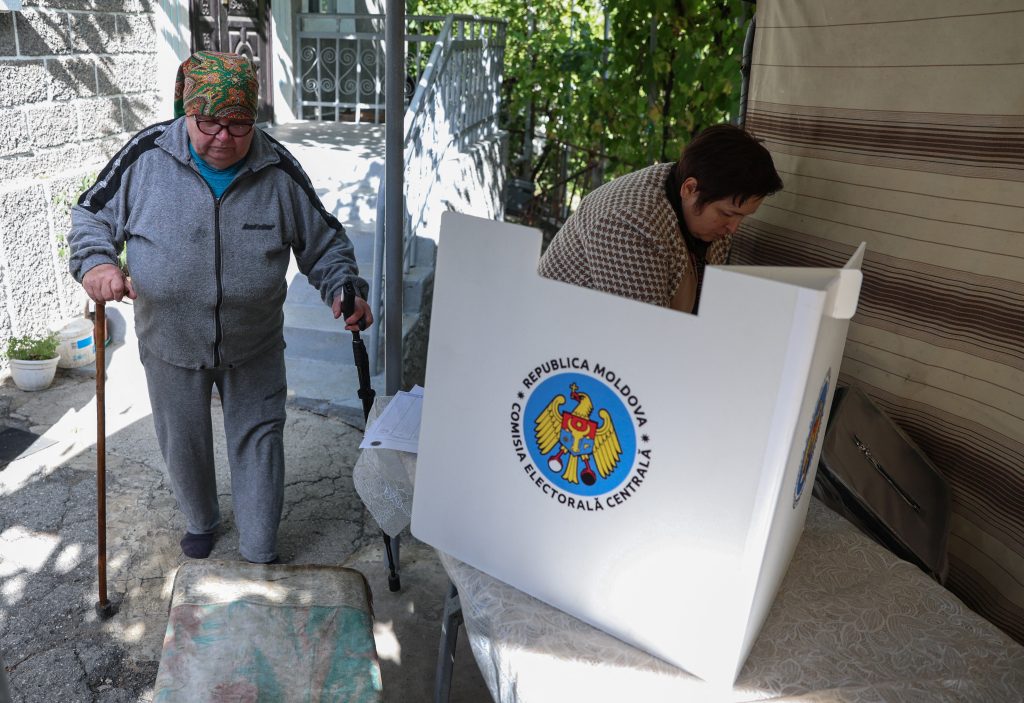
To make these concepts more concrete, it may be easier to look at specific examples. Take, for instance, the current situation of many candidate countries: in addition to working to meet the specific accession criteria set by the EU (the Copenhagen criteria), they also have to navigate highly polarised media. In Georgia, it has been such a big problem that major social media companies have taken action against inauthentic accounts pushing disinformation. Or as you may remember, during the recent Moldovan elections, there were deepfakes, cloned websites and internet trolls found to have been created by Russia to undermine the elections and skew the vote further away from the EU.
But disinformation affects enlargement in another way: by dividing public opinion in the countries already part of the Union. One thing you may remember is the viral videos of AI-generated young women promoting Polexit. Others claim that the drone incursions into our airspace can be attributed to Ukraine, claims that were spread through multiple channels and narratives, deliberately exploiting historical grievances between Poland and Ukraine to undermine the idea of enlargement. While these examples are connected to my country, Poland, I am sure that you can think of similar patterns closer to your own home!
Given all these elements, I think that when we consider enlargement we need to ensure that promoted media narratives reflect true events, true facts, and true beliefs among the population. Because if information becomes a political tool, it starts being much more than ‘just fake news’, this disinformation can help people build their views on manipulated facts. And because disinformation actively influences public opinion, it can impact the success of the enlargement project. That is why I feel that the ability of countries and citizens to resist disinformation campaigns should become a greater focus, helping us to understand readiness for membership itself, alongside democratic institutions, the rule of law, and economic stability.
Within this, the role of us, citizens, becomes even more important. And, spoiler alert, YEAsVSDisinfo also plays a role! Because by unpacking narratives together during online events, presenting and playing games, teaching us the mechanisms of disinformation (like at EYE last June), sharing resources and working towards increasing media literacy, we make sure that information and disinformation get connected with the process of enlargement. Ultimately, we need to ensure that we are ready to tell what is true, what is false, and what WE think.
Sources:
Council of the European Union. (n.d.). Disinformation and democratic resilience. European Council, Council of the European Union. https://www.consilium.europa.eu/en/policies/disinformation-and-democratic-resilience/
Cole, E. (2024, September 13). Disinformation in Georgia: Challenges and solutions. Social Justice Center. https://socialjustice.org.ge/en/products/dezinformatsia-sakartveloshi-gamotsvevebi-da-gamosavlebi
Jones, M. G. (2025, September 3). Online disinformation intensifies ahead of Moldovan parliamentary elections. Euronews. https://www.euronews.com/my-europe/2025/09/03/online-disinformation-intensifies-ahead-of-moldovan-parliamentary-elections
Reczko, A. G., & Euronews. (2025, December 30). AI-generated videos showing young and attractive women promote Poland’s EU exit. Euronews. https://www.euronews.com/2025/12/30/ai-generated-videos-showing-young-and-attractive-women-promote-polands-eu-exit
LATEST
From displacement to enterprise: rebuilding my community through entrepreneurship
A message from the YED Coordinators
My personal experience as a Young European Diplomat viewing the EU for the first time
A blueprint for enlargement: what we can learn from Moldova, Ukraine, and Montenegro
Young European Diplomats Club


The information on this site is subject to a Disclaimer and Protection of personal data. © European Union,
