

Bridges of hope: how young Europeans are rebuilding trust in divided communities
Author: Anna Gumenyuk/ Editor: Nicoleta Geru
In the small border town of Narva, where Estonia meets Russia, a group of young volunteers gather each Saturday to restore an abandoned community centre. Their hands are rough from work, but their eyes shine with purpose. Among them is Marta, 23, who coordinates this multicultural team despite speaking neither Estonian nor Russian fluently when she arrived.
“We communicate through action,” she tells me, mixing English with phrases she’s learned from both languages. “When words fail, shared work builds understanding.”
This scene encapsulates what I’ve witnessed across Europe’s borderlands — young people creating spaces of connection where political tensions have severed ties. From divided Cyprus to the Polish-Ukrainian border, youth-led initiatives are mending frayed community fabrics through practical collaboration rather than political declarations.
The significance extends beyond symbolic gestures. As trust in institutions reaches historic lows across Europe, these grassroots efforts represent a different approach to rebuilding social cohesion — one based on immediate local needs rather than abstract ideals.
“People don’t suddenly start trusting each other because of speeches,” explains Tomasz, who runs cross-border youth exchanges between Poland and Belarus. “Trust happens when you solve actual problems together.”
These initiatives operate beneath headline politics. In regions where national narratives clash, they focus instead on universal concerns — environmental restoration, skill-sharing workshops, cultural celebrations that honour diversity without demanding uniformity.
What’s striking is how these projects often begin with practical considerations but evolve into deeper connections. The community garden started by Syrian refugees and local youth in Athens now hosts storytelling events where painful histories find respectful audiences. The coding club bringing together Serb and Kosovar teenagers has produced not just apps but friendships that defy historical divisions.
These youth recognise something many policymakers miss: rebuilding trust requires patience and persistence. Grand declarations falter while steady, repeated interactions create resilience. When flooding devastated regions along the Danube, young volunteers from countries with hostile diplomatic relations worked side-by-side for weeks, creating bonds that political tensions couldn’t easily break.
“We’re not naïve,” Nina from Moldova insists. “We know the problems run deep. But waiting for perfect solutions means nothing changes today. And today matters.”
Perhaps most importantly, these initiatives create spaces where multiple truths can coexist. In workshops across Northern Ireland, young people explore family histories without demanding agreement on a single narrative. This ability to navigate complexity offers hope in an era of polarisation.
The story of Europe has always been one of both division and connection. Today’s young Europeans are writing a new chapter — not by forgetting difficult histories but by refusing to be defined solely by them.
As Europe faces rising nationalism and economic uncertainty, these youth-led initiatives offer a powerful reminder: bridges are built slowly, plank by plank, by those willing to step forward and begin the work.
And within this work lies a profound hope — that lasting peace emerges not from perfect agreement but from the daily practice of seeing each other’s humanity across whatever divides us.
LATEST
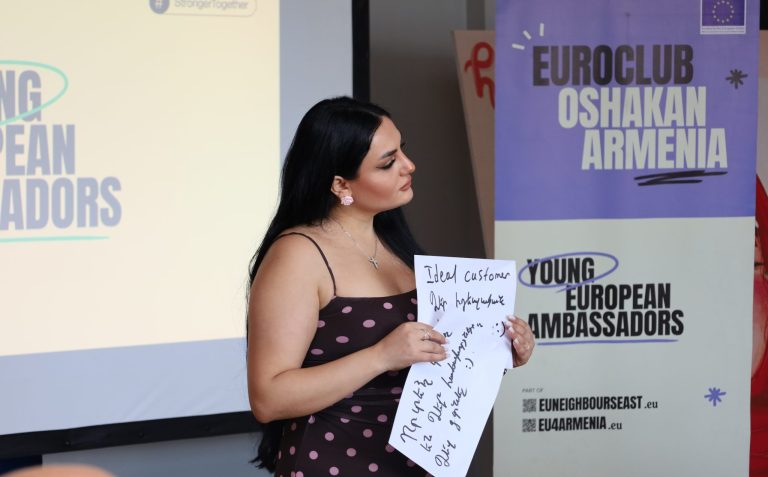
From displacement to enterprise: rebuilding my community through entrepreneurship
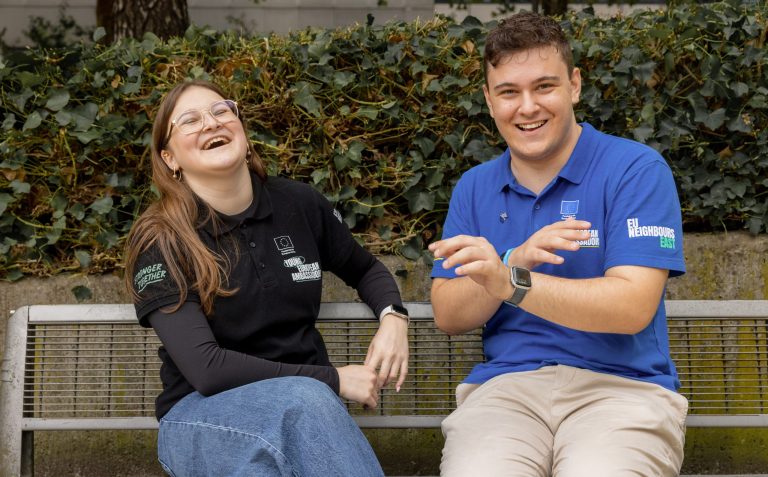
A message from the YED Coordinators
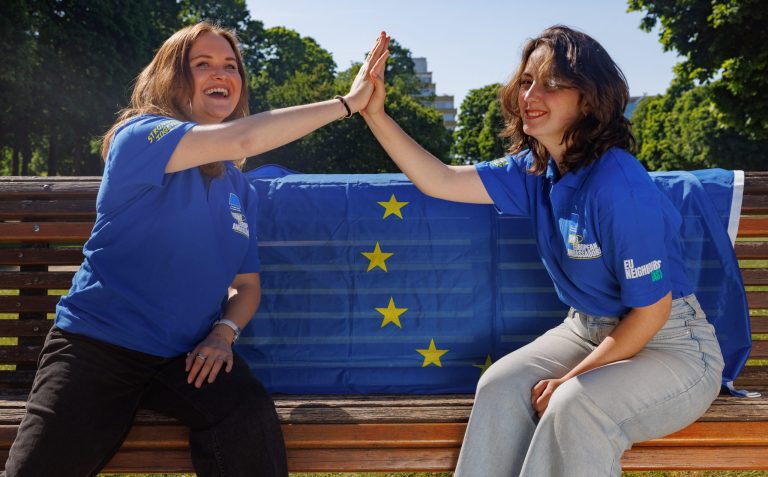
My personal experience as a Young European Diplomat viewing the EU for the first time
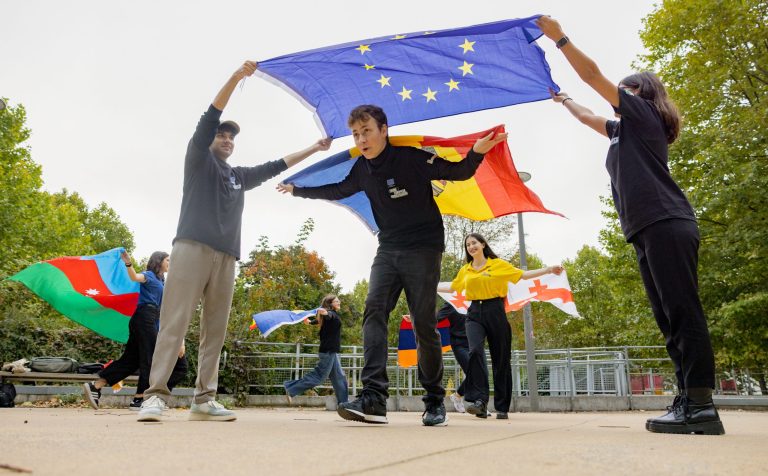
A blueprint for enlargement: what we can learn from Moldova, Ukraine, and Montenegro
Young European Diplomats Club


The information on this site is subject to a Disclaimer and Protection of personal data. © European Union,
