

Ikorta studio: crafting hope and opportunity for Georgian women
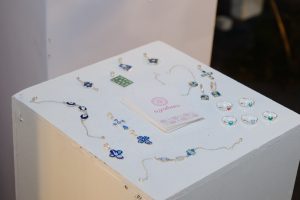
In Tserovani, a small town that has become home to many internally displaced Georgians, a group of women gathers with a shared purpose every day: to create something beautiful, meaningful and lasting. At Ikorta Studio, delicate silver and colourful enamel are shaped into jewellery – but for the women who work here, it is more than craft. The studio is a place of learning, growth and shared strength.
Ikorta was founded in 2012, at a time when employment opportunities for internally displaced persons (IDPs) were scarce, and social entrepreneurship in Georgia was still emerging. Many IDPs were living safely in settlements but struggled to find jobs, lacked stability and the sense that their skills still mattered. Ikorta was founded in 2012 to answer this challenge: a jewellery studio where women could learn traditional cloisonné enamel techniques, earn income and rebuild confidence at their own pace.
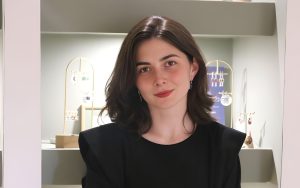
When Ana Akhlouri joined Ikorta five years ago, she discovered exactly that. Newly graduated and unsure of her direction, she found a place to learn and grow alongside women with similar experiences. “Ikorta is part of a bigger mission,” she says. “It’s about improving the lives of internally displaced women and giving them the chance to feel confident again.” Her story mirrors the experience of many women who arrive uncertain but quickly become part of a supportive professional community.
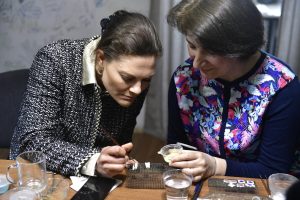
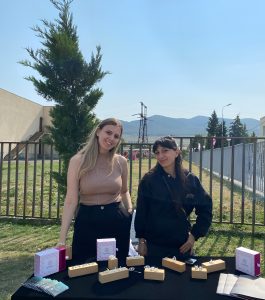
The craft itself reinforces that sense of shared purpose. Cloisonné enamel requires patience and collaboration: a design begins as a simple idea sketched on paper, then gradually comes to life through careful shaping of silver wires and delicate layers of enamel. But the choice to focus on enamel jewellery was deliberate for another reason: this traditional method is accessible for artisans who are learning a new craft, and produces pieces that appeal to both local and international markets.
Initially, the Ikorta studio trained four women with the help of invited teachers, and over time, these artisans became teachers themselves, passing their skills to new generations. “Everyone here started from scratch. No one had prior experience,” Ana recalls. “That made it special – we were building not just a business, but a community of women learning together.”
Designs often arise from collaboration and observation: a pattern on a scarf, a painting, or an idea suggested by a colleague can spark a new collection. Each piece takes five to seven days to complete, reflecting precision, creativity, and teamwork. Creativity is encouraged, but the studio also listens to customers, balancing artistic freedom with market needs. Ana explains that the goal is jewellery that feels classic yet modern, with designs that the women themselves are able to produce: “It’s not about hiring someone else who can make hard designs, but for us it’s important that those who work here will be able to make the designs,” she says.
Community and empowerment – not just a workplace
Ikorta is not just a workplace, it is a community and a space for emotional support. Many internally displaced women arrive to Tserovani feeling uncertain or isolated. Ana emphasises the importance of this environment: “People come here not only to work, but to feel confident and to be part of something bigger. We learn from each other, and sometimes, we even heal each other.”
From its earliest days, Ikorta also prioritised the empowerment of women, recognising that economic independence is a key step toward personal and community resilience. Some women had never imagined learning a new profession later in life. Ikorta proves that age is not a barrier. “One of the good things is giving the hope to these women that it doesn’t matter how old you are, you can still learn something new and make money from that,” says Ana. The opportunity to participate in professional development and creative decision-making has helped women see themselves differently. For many, that is the most meaningful change.
Flexibility is also central at Ikorta. Women organise schedules around family and responsibilities, and income grows with output and skill.
EU4Youth: strengthening the enterprise behind the craft
However, running a social enterprise comes with challenges. As Ana explains, Ikorta needed support: “What social enterprises often miss is a business mindset,” she says. Financial planning, pricing and management were difficult without expert guidance.
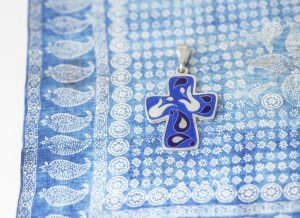
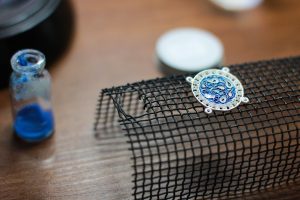
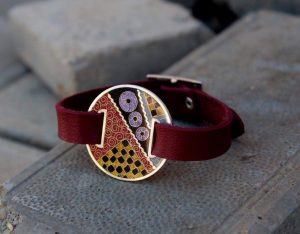
Joining the EU4Youth Greenhouse for Social Innovators project marked a turning point. Especially important has been the mentor who was working with Ikorta as part of the project. Working with the mentor offered fresh perspectives on running a social enterprise, helping the team to introduce systematic processes, to manage stock and finances, and improve operations. Ana recalls the impact: “Before, we were always rushing, we didn’t really have time to sit and look at our work from the other person’s eyes. The mentor helped us to see our work clearly – how to manage operations, organise the workspace, and plan financially. It wasn’t just advice; it was concrete steps we could take to improve.”
A study visit to Belgium also offered valuable inspiration. Seeing other social enterprises in practice helped Ikorta to reflect on what could work in their own context. Connections with other social entrepreneurs through the programme were equally important – a network where challenges, ideas and motivation could be shared.
Looking ahead
Today, nine women work at Ikorta, and the team hopes to grow further. Their goal is simple: to keep the studio active, open to newcomers, and recognised for its craftsmanship. “We want people to value our jewellery for its quality and beauty, not only for the story behind it,” Ana says. At the same time, they hope more Georgians will discover and appreciate locally crafted designs.
Ana encourages women and young entrepreneurs to explore social entrepreneurship: “We see challenges in the community, and we can create solutions,” she says. She believes that many people have ideas without realising they could become social enterprises. Learning from global examples and understanding how social business works can unlock that potential.
“We are very grateful to the EU4Youth project. Without this kind of support, there would be far fewer social enterprises.”
Ikorta Studio exemplifies the power of social entrepreneurship to transform lives. Through creativity, skill-building, and community support, it empowers women, strengthens communities, and produces jewellery that is admired not only for its beauty, but for the human stories it embodies. Each piece tells a story of resilience, hope, and the power of opportunity.
MOST READ


SEE ALSO
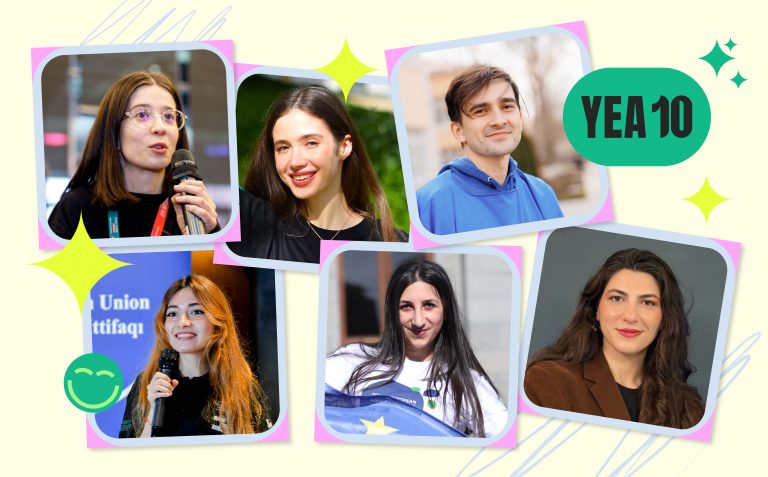
‘Europe became real faces and real stories’: Young European Ambassadors look back on ten years of friendships and community projects
Brussels exhibition explores the faces of womanhood in Armenia, Georgia, Moldova, and Ukraine
One conversation can change everything: from Finland to Ukraine, rethinking what young people need – and how to support them
Igrika: reviving Georgian heritage through modern design with EU4Youth support
Bringing life to the village – Sopho’s journey of transforming lives


The information on this site is subject to a Disclaimer and Protection of personal data. © European Union,
