

Upgraded EU-Ukraine trade agreement enters into force
As of 29 October, the EU and Ukraine will benefit from an enhanced, stable, fair and permanent trade framework, with the entry into force of the EU-Ukraine Deep and Comprehensive Free Trade Area (DCFTA). The upgraded DCFTA delivers additional, mutually beneficial trade liberalisation, while fully taking into account the sensitivity of certain EU agricultural sectors.
The DCFTA will support long-term economic certainty and stable trade relations for both parties, while contributing to the gradual integration of Ukraine into the EU Single Market.
The upgraded agreement is structured around three key pillars:
- Enhanced trade flows: It strikes a balance between providing a clear framework of rules to support Ukraine’s crucial trade with the EU, while fully taking into account the sensitivities of EU agricultural sectors and stakeholders by carefully calibrating different levels of market access for specific products. For the most sensitive items, such as sugar, poultry, eggs, wheat, maize, and honey, there are only modest increases compared to the original DCFTA. For other products, enhancements have been made to benefit both sides. For certain non-sensitive products, full liberalisation has been agreed.
- Aligned production standards: New market access is contingent upon the gradual alignment of Ukraine with EU production standards, including animal welfare, the use of pesticides, and veterinary medicines. Ukraine is expected to report its progress on that every year. This approach is consistent with the logic of Ukraine’s EU accession process and the adoption of the EU acquis.
- A robust safeguard clause: A safeguard mechanism enabling the adoption of appropriate measures can be activated should imports of products covered by the additional liberalisation cause serious difficulties for either party. In the EU’s case, the assessment of a possible disturbance can be made at the level of one or more Member States.
Both sides have also agreed on exploring measures to help Ukrainian exporters reach their traditional markets in third countries, thus providing additional commercial opportunities for Ukraine and contributing to global food security.
The Association Agreement between the EU and Ukraine, including a Deep and Comprehensive Free Trade Area, was negotiated between 2007 and 2011, and signed on 21 March and 27 June 2014. The DCFTA removed the vast majority of all tariffs, notably on industrial goods.
Following Russia’s full-scale invasion of Ukraine, the EU granted Ukraine trade facilitations and exceptional instruments offering a high level of unilateral liberalisation every year in the form of ATMs. These were in force from 4 June 2022 and twice renewed until their expiration on 5 June 2025, after which transitional measures came into effect.
Together with the Solidarity Lanes, the ATMs were adopted in the context of the major disruptions caused by the war and against the general trend of a decrease in Ukraine’s trade overall.
The Commission consistently aimed to agree on longer-term reciprocal tariff liberalisation with Ukraine under Article 29 of the EU-Ukraine Association Agreement, ensuring a seamless transition to a new framework in which all trade arrangements are integrated into the DCFTA regime.
On 30 June, the EU and Ukraine reached an agreement in principle on the review of the DCFTA, paving the way for the latest upgrade.
Find out more
MOST READ








SEE ALSO
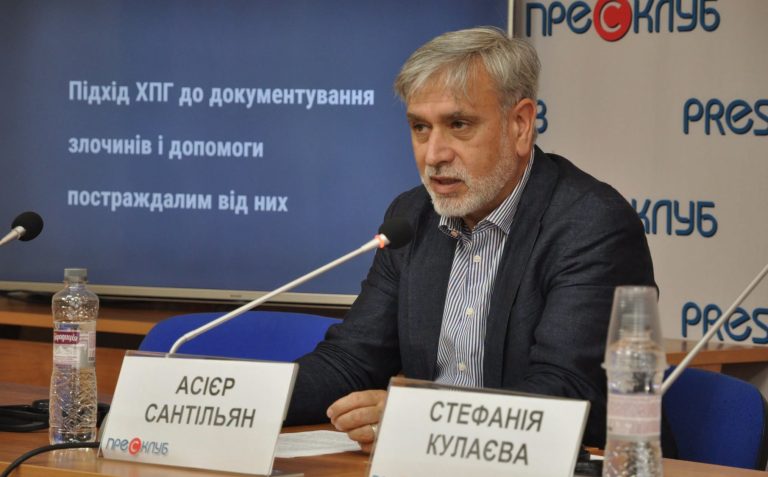
Ukrainian civil society documents more than 100,000 incidents of international crimes with EU support
EU sanctions VK group and leadership of prison in Russia, detaining Ukrainian civilians and prisoners of war

EU denounces Russia’s malicious cyber ecosystem targeting Union and its international partners
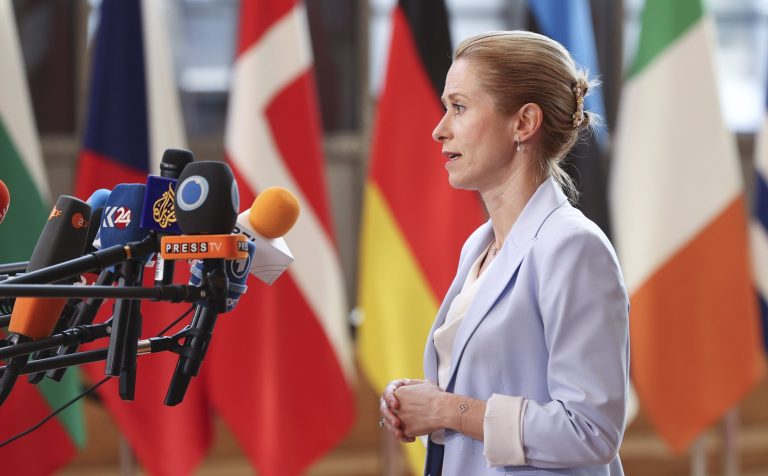
EU Foreign Affairs Council to discuss support to Ukraine and new Partnership Mission for Armenia

DG HOME: Poland sees new research and changes to policies on migrant integration


The information on this site is subject to a Disclaimer and Protection of personal data. © European Union,
