

Ukraine’s Accession: Marta Kos takes part in discussion in Kyiv on how to deliver Europe’s next enlargement
On 8 June 2026, as part of European Commissioner for Enlargement Marta Kos’ visit to Kyiv, Ukraine, a public discussion on ‘Ukraine’s accession: how to deliver Europe’s next enlargement’ took place in Kyiv.
Taras Kachka, Deputy Prime Minister for European and Euro-Atlantic Integration, together with Oleksandr Korniyenko, Deputy Chairman of the Verkhovna Rada of Ukraine, and Gerald Knaus, EU enlargement expert and Visiting Policy Fellow at the European Policy Institute in Kyiv (EPIK), joined the discussion moderated by EU Ambassador to Ukraine Katarína Mathernová.
Opening the event with the keynote speech, Marta Kos said that Ukraine and the EU are about to take “the biggest step” with the opening of Cluster 1 in mid-June.
“European integration is a project of the whole nation. And because it is a national project, the next stage of accession requires a national effort,” Marta Kos said. “Enlargement is not about setting dates, but about reforms. The coming months will be decisive, and Ukraine needs to deliver reforms consistently. It might not be easy, but one thing is clear: Ukraine belongs to Europe, and a united Ukraine will receive support.”
As the moderator, Katarína Mathernová asked participants about the most important thing institutions should deliver over the next six months to keep Ukraine’s accession successfully on track.
“The next six months will be critically important for the EU enlargement process. Our priority remains opening all negotiating clusters. Thanks to the frontloading approach, Ukraine has already completed a significant share of the preparatory work, so it is now important to finalise this stage and move to full-scale negotiations,” replied Deputy Prime Minister Taras Kachka during the discussion.
Kachka added that many reforms are already at an advanced stage of implementation, so “it is now important to properly assess the progress achieved”.
Gerald Knaus commented on the importance of Ukraine’s accession to European security:
“The image of Ukraine in Europe has changed tremendously since 2022. Now Ukraine is contributing as much to European security as Europeans are contributing to Ukraine with their budget support, also for military spending in Ukraine. It’s a mutual dependency that has changed dramatically.”
The discussion was jointly organised by the European Policy Institute in Kyiv (EPIK) and Ukraine2EU programme.
Find out more
MOST READ
SEE ALSO
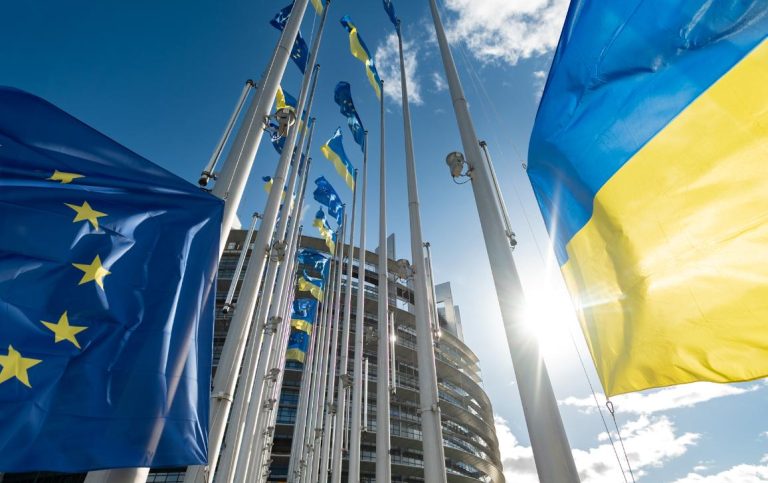
EU and Ukraine discuss consequences of temporary occupation of Ukrainian territories by Russia
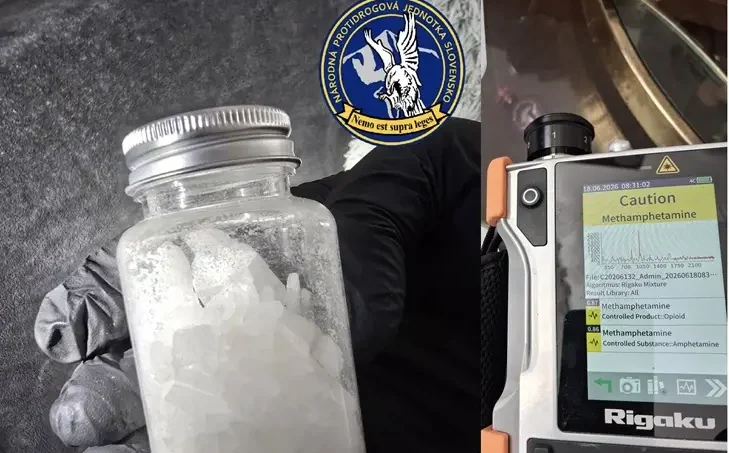
Drug trafficking: Europol arrests 20 suspects arrested in coordinated operation across Czechia, Slovakia and Ukraine
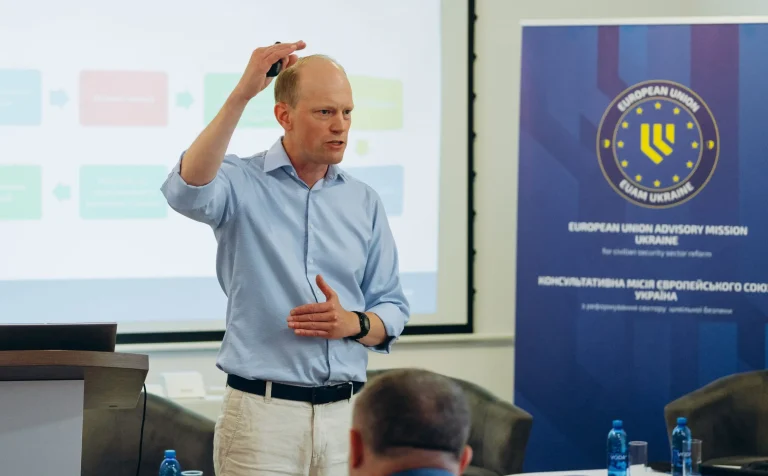
EU Advisory Mission: Sweden helps Ukraine strengthen financial crime investigations
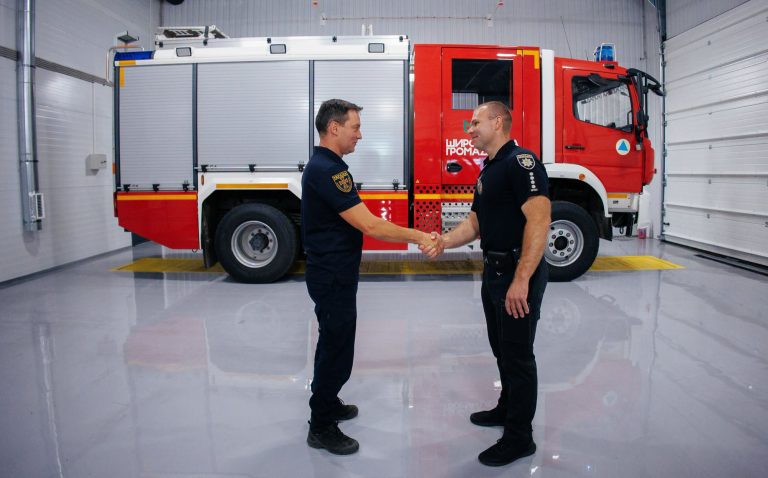
Ukraine: Safety Centre opens in Zaporizhzhia Oblast with EU support
Europol: more than 1,000 arrests in global operation against human trafficking

The information on this site is subject to a Disclaimer and Protection of personal data. © European Union,
