

EU and Ukraine discuss consequences of temporary occupation of Ukrainian territories by Russia
On 6 July, the European Union and Ukraine held, in a virtual format, the 13th round of senior officials’ Consultations on the consequences of the temporary occupation of Ukrainian territories by Russia, including the Autonomous Republic of Crimea and the city of Sevastopol.
The EU and Ukraine exchanged views on the continued deterioration of the human rights situation, the lack of humanitarian access and the overall security environment, including in the Black Sea. The talks encompassed forced deportations and displacement, the imposed ‘passportisation’ of Ukrainian citizens, forced mobilisation by Russia, arbitrary detention, and restrictions on freedom of expression.
“The EU and Ukraine will continue to cooperate in monitoring and documenting alleged war crimes and crimes against humanity, as reflected in reports by the UN and the OSCE. Ensuring comprehensive accountability for these crimes remains of fundamental importance,” the European External Action Service said in a press release.
The EU reaffirmed its unwavering support for Ukraine’s independence, sovereignty and territorial integrity within its internationally recognised borders. It reiterated that it would never recognise Russia’s attempts at annexing by force territories of Ukraine. Crimea, Donetsk, Kherson, Luhansk and Zaporizhzhia are Ukraine.
The discussions were launched in 2015, aiming to coordinate efforts and maintain regular exchanges on the implementation of the EU’s non-recognition policy towards the illegal annexation of Crimea and Sevastopol.
Find out more
MOST READ




SEE ALSO

Drug trafficking: Europol arrests 20 suspects arrested in coordinated operation across Czechia, Slovakia and Ukraine
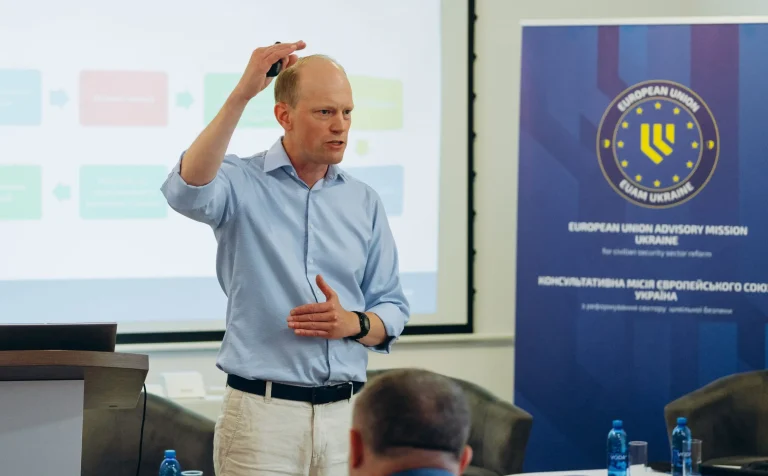
EU Advisory Mission: Sweden helps Ukraine strengthen financial crime investigations

Ukraine: Safety Centre opens in Zaporizhzhia Oblast with EU support
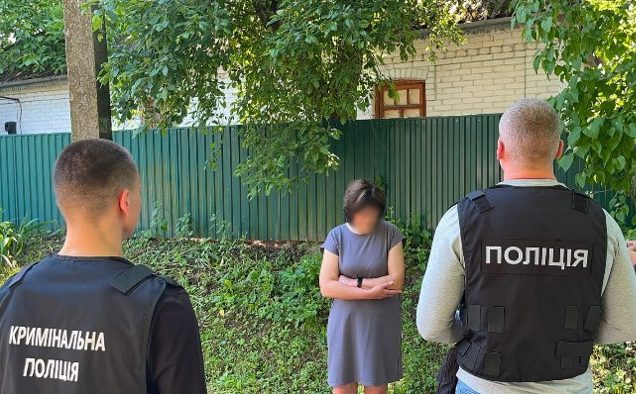
Europol: more than 1,000 arrests in global operation against human trafficking

EU Ambassador to Ukraine: Russia is trying to exhaust Ukraine, terrorise its people and break their will – ‘it will not succeed’


The information on this site is subject to a Disclaimer and Protection of personal data. © European Union,
