

Twelfth Recovery Diary episode: €1.4 billion from frozen Russian assets, roll-out of 112 service centre in Odesa, and new ways to disburse €90 billion package for Ukraine
EU NEIGHBOURS East, in partnership with Ukrainian television channel ICTV, has released the twelfth episode of the ‘Recovery Diary’.
The episode starts with the news that the European Union is to allocate €1.4 billion to Ukraine, funds received on 31 March in the form of windfall interest on cash balances arising from frozen Russian assets held in the central securities depositories (CSDs) of EU countries. These funds come from Russian assets immobilised under EU sanctions, imposed in response to Russia’s war of aggression against Ukraine.
European Commission President Ursula von der Leyen said: “These €1.4 billion will be directed where they are needed most: to sustain the Ukrainian State, preserve essential public services and support the brave Ukrainian Armed Forces. Our commitment to Ukraine’s victory and freedom is unwavering.”
The twelfth episode also talks about recent developments regarding the €90 billion aid package for Ukraine. In early April, the EU announced that the loan would be split into two parts. The first tranche – €45 billion – is due to reach Ukraine by the end of 2026. It is proposed that a third of these funds be allocated to budgetary support. The remainder – over €28 billion – is to be used to support defence and industrial capabilities. The European Commission expects to approve this decision at the EU Council meeting in the second half of April, following the elections in Hungary, whose Prime Minister, Viktor Orbán, was blocking the aid package for Ukraine.
This episode also features a report on the roll-out of the 112 service, a fully-fledged emergency response system in Ukraine, in line with EU standards. The initiative was supported by the EU and the European Investment Bank (EIB). The EIB has allocated €40 million, and the European Commission has contributed a further €12 million. A control centre has opened in Odesa, which has been designated as a regional hub. It coordinates assistance for the Odesa, Mykolaiv, and Kherson regions.
The other report is from Tetiiv, a town in the Kyiv region, and from Chernivtsi, where the streets are now brightly lit by energy-saving and LED streetlights. The modernisation of the lighting was made possible by a grant from the European Union. A hotel in Nizhyn, in the Chernihiv region, has also secured a European grant to improve energy efficiency through the installation of solar panels.
The episode also reports on aid from EU countries, including Germany, Italy, Poland, Austria, and Norway. Germany has supplied Vladimir’s municipal services with specialist equipment for urban maintenance. This includes modern street-cleaning machines, lorries, a sewage truck and minibuses. Italy has donated old fishing nets, which Ukrainians are now actively using to protect themselves against enemy drones. From Poland, Ukraine has received new evacuation buses and 18 powerful generators. New specialist fire-fighting vehicles have arrived in the Bilohorodka community in the Kyiv region from Austria to support the work of the Ukrainian rescue services. The winner of the Norwegian national maths Olympiad 17-year-old Skomantas Urbonas has donated all his prize money (around €1,340) to support the Armed Forces and the healthcare sector of Ukraine.
The European Union remains Ukraine’s strongest partner, playing a critical role in recovery, reconstruction, and the reforms needed for EU accession. Since the onset of Russia’s full-scale invasion, the EU has mobilised €177.5 billion in humanitarian, financial, economic, and military assistance.
The Recovery Diary is a television series produced by EU NEIGHBOURS East in partnership with ICTV. The series documents real progress across Ukraine, highlighting recovery and reconstruction efforts supported by the EU and its Member States.
Watch the episode
Episode on YouTube
MOST READ

SEE ALSO
EU denounces Russia’s malicious cyber ecosystem targeting Union and its international partners
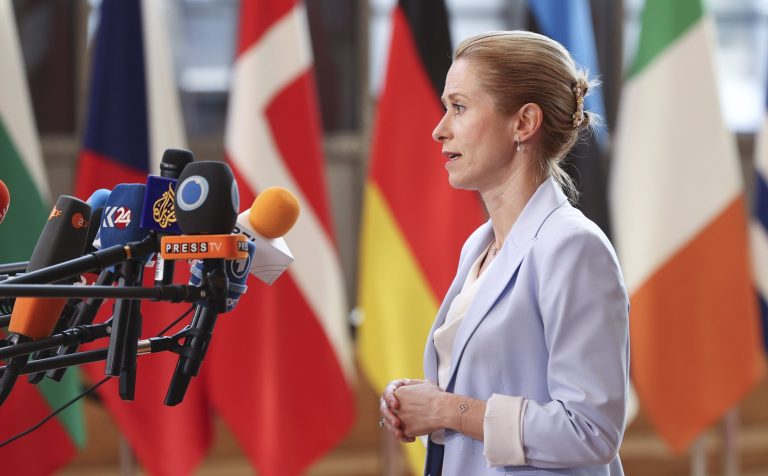
EU Foreign Affairs Council to discuss support to Ukraine and new Partnership Mission for Armenia
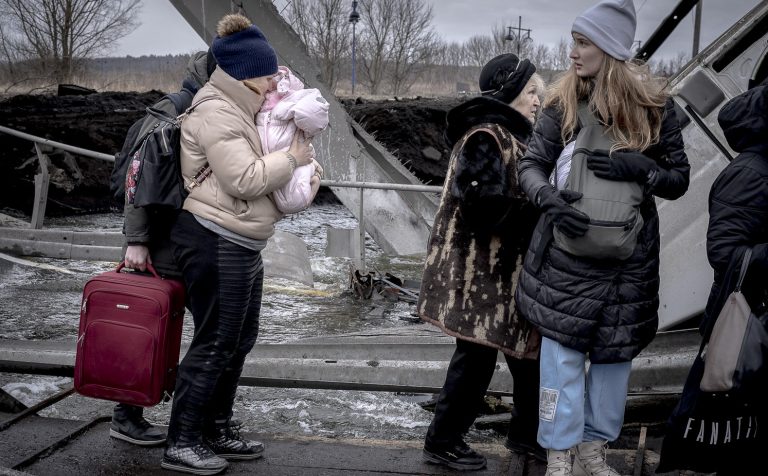
DG HOME: Poland sees new research and changes to policies on migrant integration
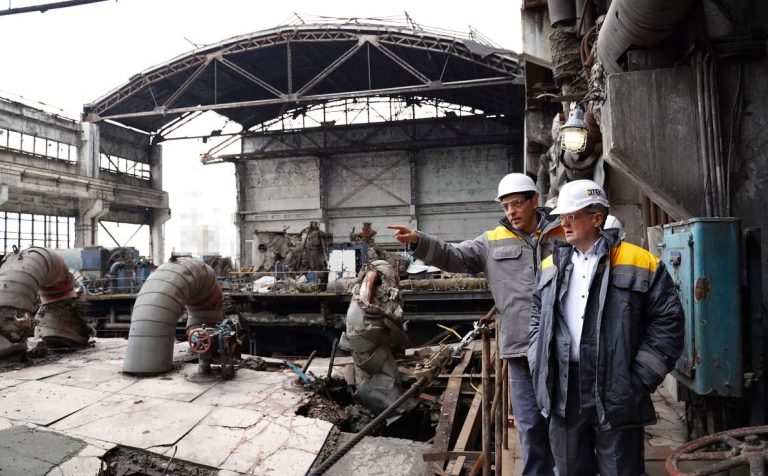
With Sweden’s contribution to the Ukraine Energy Support Fund, total lifetime contributions reach €2 billion
Post-war elections in Ukraine: EU and its Member States help Kyiv in preparing for out-of-country voting


The information on this site is subject to a Disclaimer and Protection of personal data. © European Union,
