

Russian war against Ukraine: European Commission presents 18th package of sanctions
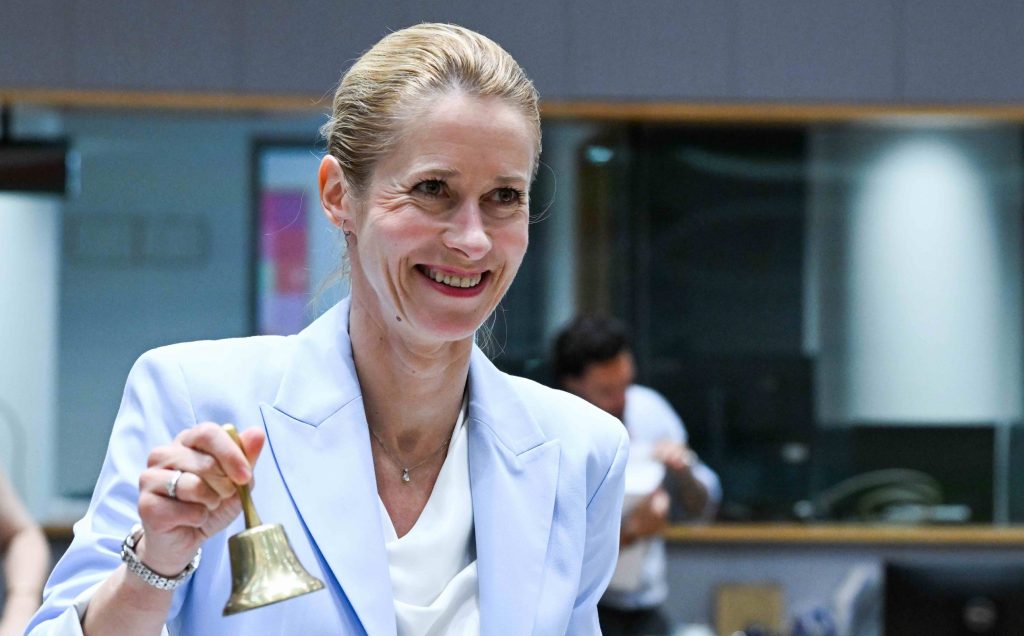
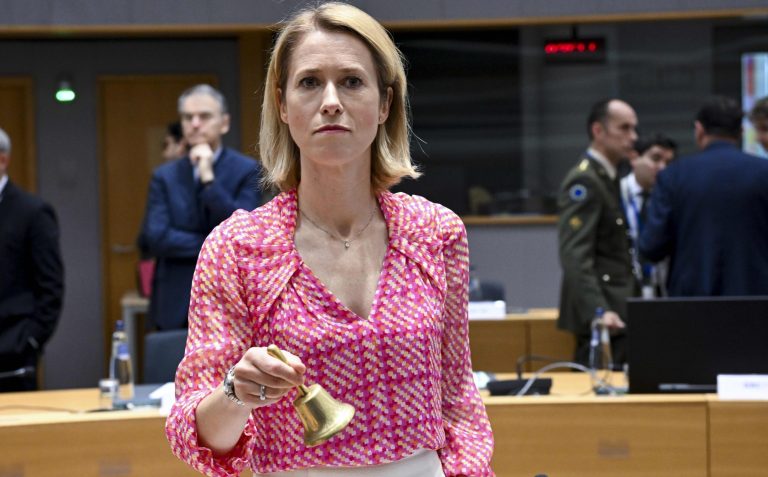
Today, European Commission President Ursula von der Leyen and EU High Representative Kaja Kallas presented a proposal for the 18th package of EU sanctions to ramp up pressure on Russia, which is continuing its aggressive war against Ukraine.
“Strength is the only language that Russia will understand,” Ursula von der Leyen told journalists in Brussels, presenting the package.
For the first time, the Commission has proposed to strengthen a transaction ban for NordStream 1 at NordStream 2. “This means that no EU operator will be able to engage directly or indirectly in any transaction regarding the Nord Stream pipelines. There is no return to the past,” the Commission President said.
The Commission also proposed to lower the oil price cap from $60 to $45 per barrel, as the oil price has gone down since the oil cap was introduced in 2023. By lowering the cap, the Commission aims to adapt this measure to changed market conditions and restore its effectiveness.
“Oil exports still represent a third of Russia’s government revenues. We need to cut this source of revenues. The oil price cap is a G7 coalition measure, so we will discuss at the G7 in Canada at the end of this week or beginning of next week how to act together,” von der Leyen told reporters.
On top of the 342 vessels already listed, the Commission proposes to list an additional 77 vessels that are part of the Russian “shadow fleet” and to introduce a ban on the import of refined products based on Russian crude oil. In this way, the EU aims to prevent some of the Russian crude oil reaching the EU market through the back door, von der Leyen said.
The Commission also proposed to transform the existing prohibition to use the Swift system into a full transaction ban, and apply such a transaction ban to another 22 Russian banks. The EU also proposes to extend the transaction ban to financial operators in third countries that finance trade to Russia, in circumconvention of sanctions.
The Commission also proposes to sanction the Russian Direct Investment Fund, its subsidiaries and its investment projects. “In this way, an important channel for financing projects to modernise the Russian economy and strengthen its industrial base will be strictly limited,” von der Leyen said.
The Commission also proposes further export bans worth more than €2.5 billion. This ban aims to deprive the Russian economy of critical technology and industrial goods (machinery, metals, plastics and chemicals). The EU will also restrict the export of dual use goods and technologies that are used for producing drones, missiles and other weapons systems.
“We want to make sure that Russia does not find ways to modernise its weapons with European technologies,” von der Leyen noted.
Kaja Kallas added that the EU would list another 22 Russian and foreign companies, including from China and Belarus, providing direct or indirect support to Russia’s military and industrial complex. These additions will bring the total number of sanctioned companies to over 800.
She also explained how EU sanctions “deeply” affect the Russian economy.
She said that €210 billion of reserves of the Central Bank of Russia were immobilised, while Russia’s oil and gas revenues had fallen by almost 80% compared to before the war.
“Its deficit is sky rocketing. Interest rates are prohibitively high. Inflation is on the rise well above 10%. The price of importing technologies and critical goods is six times higher than before the war and compared to global average prices. In short, Russia’s economy is limited to a war economy and sacrificing future prospects,” von der Leyen said.
“Russia wants us to believe that they can continue this war forever. This is simply not true,” Kaja Kallas added.
According to Kallas, Russia has lost tens of billions in oil revenues, its economy is shrinking and its GDP has dropped, and sanctioning the shadow fleet has been particularly impactful.
After the EU’s 17th sanctions package, oil exports from Russia via the Black Sea and Baltic Sea routes declined by 30% in a week. In May, Russia’s sovereign wealth fund declined by US$6 billion – from US$42 billion to US$36 billion and it could run out of money by next year.
“By cutting off revenue streams, we prevent them from refilling their war chest,” Kaja Kallas said, adding that “Russia lies everyday about its desire for peace.”
Find out more
MOST READ






SEE ALSO

Ukraine Facility unlocks investment opportunities for dual-use and defence-related industries

EIB Group approves over €17 billion in new financing including for Ukraine-EU border crossings and agriculture in Moldova

‘There can be no lasting peace without justice,’ EU says on International Criminal Justice Day
EU’s Blue Book traineeship programme opens to graduates from vocational education and training
Moldova: Youth from ‘Orizont’ Euro Club go on study visit to Brussels


The information on this site is subject to a Disclaimer and Protection of personal data. © European Union,
