

EU4Youth conducts study visit to Lithuania, Latvia and Estonia: strengthening youth policies in the Eastern Partnership
From 15 to 21 September, representatives from state institutions and civil society organisations, including youth councils and NGOs from Armenia, Azerbaijan, Belarus, Georgia, Moldova, and Ukraine, participated in a study exchange visit to Lithuania, Latvia, and Estonia. The visit focused on youth policy, with particular attention to youth employment, youth participation, institutional frameworks, best practices, and policy implementation mechanisms.
The study visit provided participants with a comprehensive overview of youth policy development, from state-level concept creation to final implementation, including its coordination between state and civil society.
In Lithuania, the first country visited, participants met with the Ministry of Labour and Social Affairs and explored the national youth policy management structure. They examined the youth volunteer service system, strategies for engaging NEET (Not in Education, Employment, or Training) youth, and the recognition of competencies gained through non-formal learning.
In Latvia, participants met with representatives from the Ministry of Education and Science to gain insights into national youth policy management structures. They also travelled to the Jelgava region to learn about projects and activities focused on youth participation on local-level, and support for disadvantaged youth.
Aliona Dumbrăveanu, Head of Youth Policies and Programmes Implementation at the National Youth Agency of Moldova, said: “Youth policies in Moldova have been significantly influenced by Lithuania, Latvia, and Estonia, which have consistently provided a strong model for us to follow. This study visit reaffirmed that. Witnessing first-hand how the institutions responsible for youth policy in these countries have years of experience implementing both youth-focused and structural programmes, while continuously advancing high-quality services for young people, serves as an inspiring example for Moldova.”
In Estonia, the delegation met with officials from the Ministry of Education and Research and the Ministry of Economic Affairs and Communications to learn about youth policy implementation at both national and local levels, along with cross-sectoral strategies for advancing youth initiatives. Participants also explored Estonia’s system for recognising and validating non-formal and informal learning, gained insights into Tallinn University’s youth work faculty, and connected with the Estonian National Youth Council to discuss their role in youth engagement and policy development.
”During the visit, I had the opportunity to connect with individuals directly involved in youth work, including youth workers and policy advisors,” said Giorgi Tvaliashvili, Head of Board SIQA – Georgian association of educational initiative. “This experience is particularly significant for me as a representative of an organisation focused on youth. The knowledge I acquired will enhance my work and improve my future initiatives.”
He was echoed by Olena Frankivska Podobied, Executive Director of the National Ukrainian Youth Association, who said: “I am very grateful for this study visit. Seven years ago, our team participated in a similar one, making it fascinating to trace the dynamics that have taken place since then. It was especially valuable for me to learn about the reforms and planned changes in the structures working with youth, as this helps us understand whether Ukraine is progressing in this area alongside Europe.”
The study visit was organised by two projects: ‘EU4Youth Phase III: Youth Employment and Entrepreneurship’ (funded by the European Union and implemented by CPVA) and ‘EU4Youth Phase IV: Youth Empowerment and Engagement’ (co-funded by the European Union and the Federal Ministry for Economic Cooperation and Development of Germany, BMZ, and implemented by GIZ).
MOST READ

SEE ALSO
EU Advisory Mission: Sweden helps Ukraine strengthen financial crime investigations
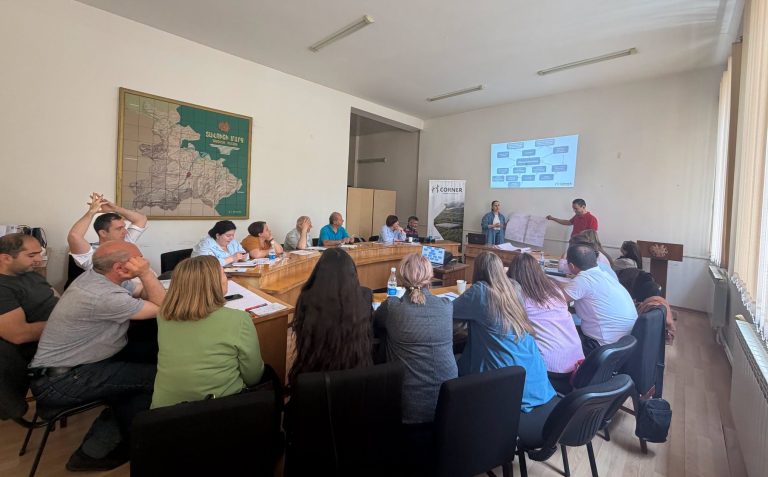
EU4Dialogue’s new phase kicks off in Armenia
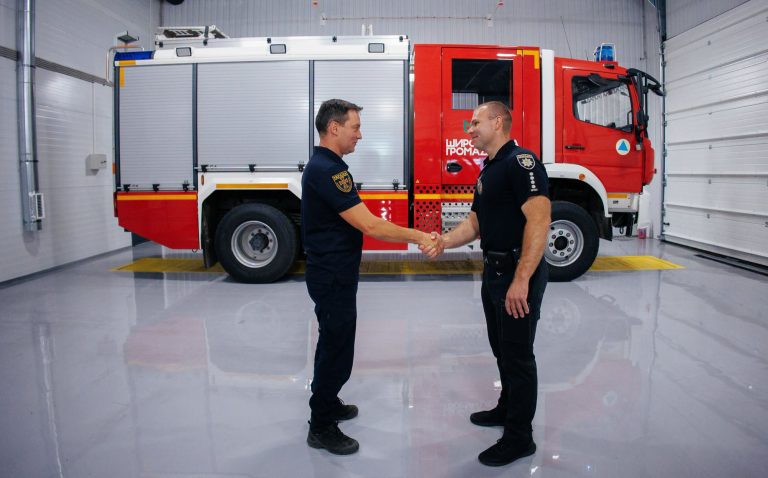
Ukraine: Safety Centre opens in Zaporizhzhia Oblast with EU support
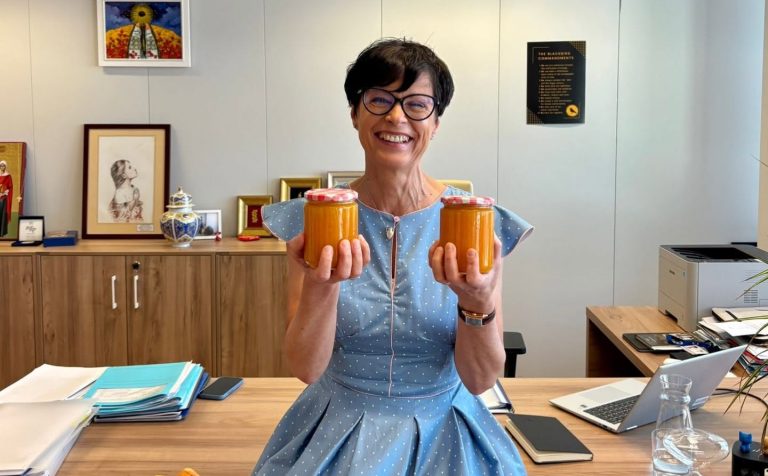
Marta Kos: ‘When you go to the supermarket, watch out for Armenian apricots, plums or cherries’
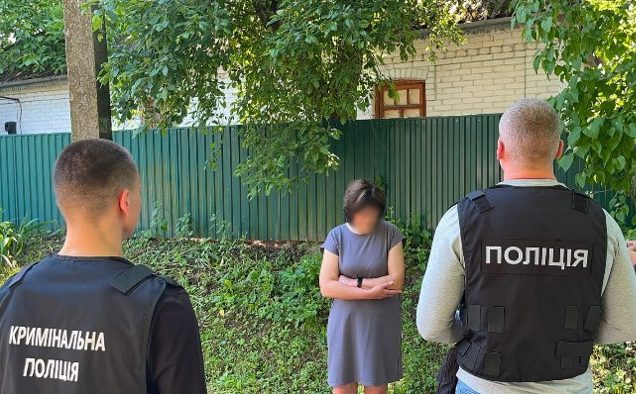
Europol: more than 1,000 arrests in global operation against human trafficking

The information on this site is subject to a Disclaimer and Protection of personal data. © European Union,
