

EU opens accession negotiations with Ukraine on external relations policies
Today, the EU and Ukraine opened accession negotiations on the ‘External relations’ cluster (Cluster 6).
This is a core thematic grouping within the EU’s accession negotiation framework setting the parameters for how candidate countries align their international, trade and defence policies with the EU.
Cluster 6 ‘External relations’ comprises two distinct negotiating chapters:
- Chapter 30 – External relations: this chapter covers the EU’s common commercial policy, humanitarian aid and development cooperation, requiring alignment with the EU’s trade legislation, international commitments and related external policy positions.
- Chapter 31 – Foreign, security and defence policy: this chapter covers the EU’s common foreign, security and defence policy, including alignment with the EU’s foreign policy positions, political declarations, sanctions and restrictive measures.
This follows the opening of negotiations on Cluster 1 (Fundamentals) at the previous Accession Conference held in Luxembourg on 15 June 2026.
“Just one month since the opening of Cluster 1 and two weeks into the Irish presidency, we have today reached another milestone on Ukraine’s EU membership journey by opening another key negotiating cluster, on external relations,” said Thomas Byrne, Minister of State with responsibility for European affairs of Ireland. “This is a testament to the country’s commitment to move forward as quickly as possible. In today’s challenging times, enlargement is a strategic investment in peace and security, stability and prosperity for both the EU and Ukraine.”
The EU has also set benchmarks for the future provisional closure of those chapters noting that the EU accession is a merit-based process.
Find out more
MOST READ




SEE ALSO
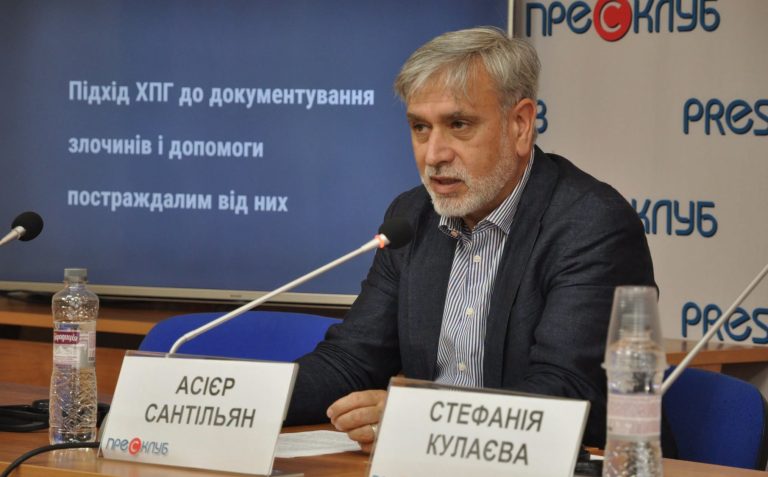
Ukrainian civil society documents more than 100,000 incidents of international crimes with EU support
EU sanctions VK group and leadership of prison in Russia, detaining Ukrainian civilians and prisoners of war

EU denounces Russia’s malicious cyber ecosystem targeting Union and its international partners
EU Foreign Affairs Council to discuss support to Ukraine and new Partnership Mission for Armenia
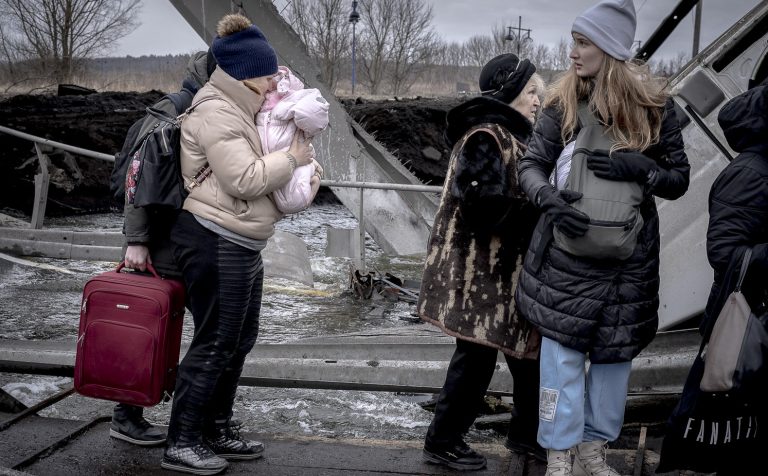
DG HOME: Poland sees new research and changes to policies on migrant integration


The information on this site is subject to a Disclaimer and Protection of personal data. © European Union,
