

EU and UN launch €4.4 million initiative to help Georgia reduce waste, boost recycling, and foster green growth
The European Union, in partnership with a United Nations-led consortium of international organisations, has launched a new initiative to accelerate Georgia’s transition towards a circular economy. The launch event took place on 16 October in Tbilisi.
The initiative will help Georgia cut waste, boost recycling, expand access to green finance, and build awareness of the circular economy across public, private, and civic sectors.
With €4.4 million of funding from the European Union, the two-year project (2025–2027) will be implemented by UNDP, the United Nations Industrial Development Organisation (UNIDO) and the Environment Agency Austria (UBA), with additional expertise from Avfall Sverige (Swedish Waste Management), Sweden’s trade association for waste management and recycling.
A key priority is building robust national systems for extended producer responsibility (EPR), ensuring the country has the capacities, infrastructure, and practical tools needed for a just and effective circular transition. The programme will also empower key stakeholders — including producer responsibility organisations (PROs), civil society, youth, and social enterprises — through capacity-building, targeted financial support, and inclusive partnerships that drive long-term, systemic change.
“The European Union remains by Georgia’s side in fostering sustainable, green growth that benefits both people and the planet,” said Annelies Vanwymelbeke, Team Leader for Green Deal, Connectivity, Economic and Investment Plan at the Delegation of the European Union to Georgia. “Transitioning to a circular economy means rethinking how we design, use, and reuse resources. It’s about creating value while cutting waste — for a more resilient and competitive economy.”
At the launch event in Tbilisi, participants highlighted Georgia’s major circularity gaps, including weak management of EPR waste streams such as packaging, batteries, waste oils, waste electrical and electronic equipment, end-of-life tyres and vehicles.
Georgia currently generates around 23 million tonnes of waste annually. Its domestic material consumption stands at 13.7 tonnes per capita, close to the EU average, but its circularity rate remains low at just 1.48 per cent, compared to 11.5 per cent in the EU.
Limited infrastructure, low public awareness, and underinvestment in recycling technologies remain key challenges.
Find out more
MOST READ

SEE ALSO
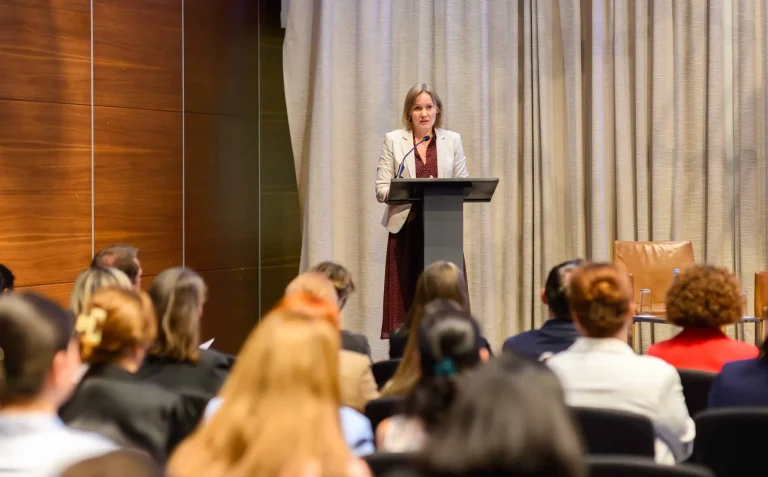
EU4 Gender Equality: business forum in Tbilisi highlights need for family-friendly workplaces in Georgia
EU Connectivity Agenda: EU4Energy brings together South Caucasus countries and Türkiye for first regional dialogue
European Parliament adopts resolution on Georgia: no EU accession progress without reforms
YEA10: Young European Ambassadors mark a decade of connection, inspiration and change

Culture Moves Europe: 150 residency projects selected, including in Armenia, Georgia, and Moldova


The information on this site is subject to a Disclaimer and Protection of personal data. © European Union,
