

EU and Sida bring together experts to explore how gender equality sparks innovation and economic growth
Over 50 participants from governments, civil society, the private sector, and international organisations gathered for Gender Equality as a Catalyst for Inclusive Growth event on 8 October, at Sweden’s Permanent Representation to the EU in Brussels to explore how advancing gender equality can drive economic growth, innovation, and social inclusion.
The event, organised jointly by the Swedish International Development Cooperation Agency (Sida) and the Directorate-General for Enlargement and the Eastern Neighbourhood (DG ENEST), showcased barriers, highlighted innovative practices, and encouraged cross-sector collaboration.
“For the European Union, gender equality is a core value: a fundamental human right and a cornerstone of democracy. But it is also smart economics. According to the European Institute for Gender Equality, closing gender gaps could raise EU GDP per capita by nearly 10% by 2050, which is equivalent to more than €3 trillion,” said Annika Otterstedt, Director, Department for Results, Thematic Methods Development, Communication and Partnerships, Sida.
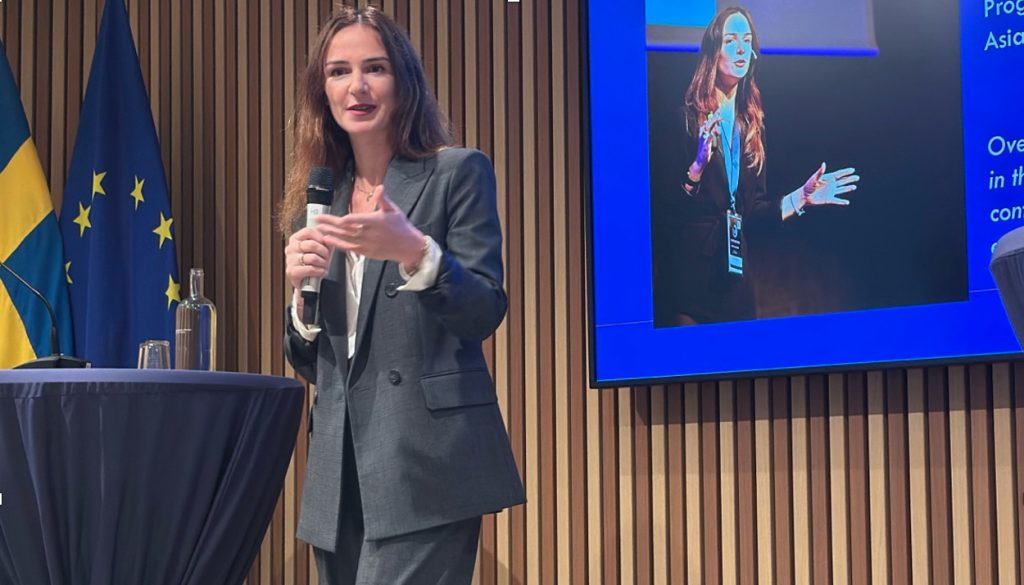
Speakers emphasised that equality isn’t just about numbers. “Women globally do 2,5 times more unpaid care than men, rising to 3–4 times in Europe and Central Asia. In conflict zones like Ukraine, childcare responsibilities spike, pushing women out of paid work. Businesses feel the impact too – you cannot fill skills gaps or innovate if half the talent is squeezed out,” Ana Pashalishvili, Programme Specialist at UN Women Europe and Central Asia, said.
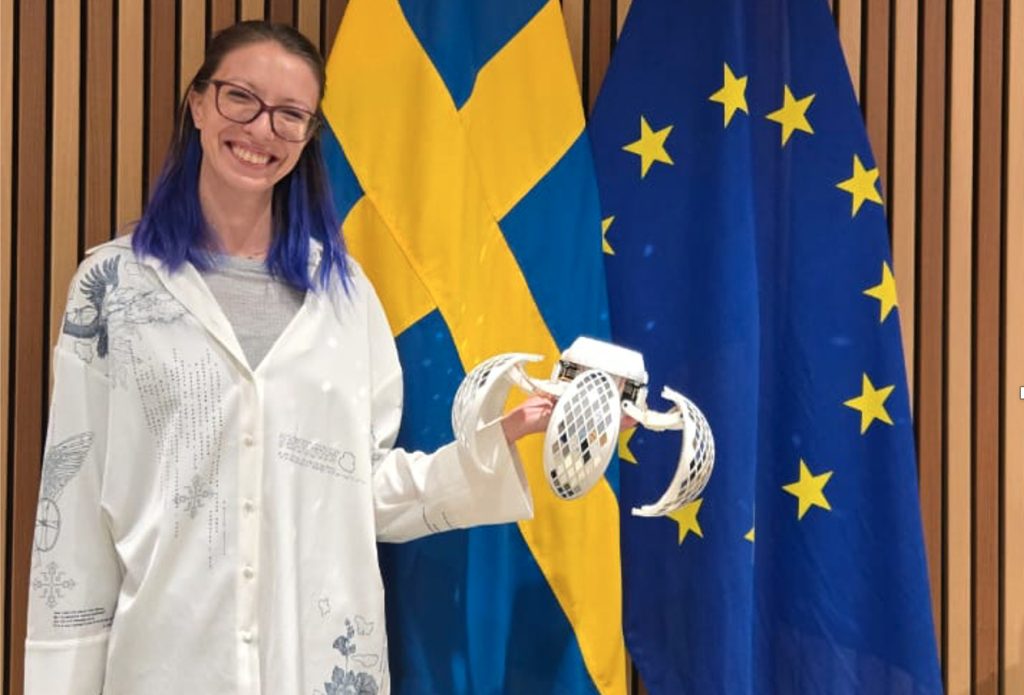
Closing gender gaps requires action across all sectors. Olga Zota, CEO of UkraineRobotics and youth advocate, highlighted similar systemic challenges in education and STEM careers:
“At university, engineering programmes are roughly 50/50 women and men, but at senior levels only 4% of women remain. To change this, we need systemic reforms and real-life examples showing science can be inclusive and creative. Challenges are real, but so are the opportunities,” said Ola Zota while demonstrating a robot Kulya designed to challenge gender stereotypes and inspire more women to pursue careers in science and technology.
Speakers also highlighted gender-lens investing as a practical mechanism for driving inclusive growth. This approach channels funds toward women-owned businesses and companies that adopt gender-equal practices. The Women in Business programme, implemented with the EBRD and supported by Sweden, combines lending with technical assistance for both financial institutions and women entrepreneurs, helping them scale and thrive in the Eastern Partnership countries.
“While women remain 26 percentage points more likely to be asked for guarantors, these barriers are actively being reduced. Evidence from Eastern Europe shows that supporting women-led businesses is both safe and effective, creating lasting systemic change,” explained Jihane Hakimi, Blended Finance Programmes, Manager, Financial Institutions Business Group, EBRD.
The European Investment Bank (EIB) also champions gender-lens investing, aiming to empower women by recognising their leadership potential and providing tailored financial tools.
“We see a strong appetite for gender-lens investments,” said Moa Bergman, Senior Gender and Social Specialist, EIB. “We start with a target for local banks that 30% of customers should be women entrepreneurs – and once they begin targeting this group, they often exceed the target, discovering the enormous potential that exists.”
Private sector representatives highlighted concrete actions to advance gender equality, from implementing flexible work policies to targeted investments and programmes that train and upskill women, helping them access new opportunities and leadership roles.
“Signing the WEPs in 2023 was our commitment to equal pay, parental leave for all, and support for women’s entrepreneurship. With UN Women, we’ve trained 140 women to grow their own businesses,” said Alphan Akpece, General Manager of Efes Moldova, representing the private sector during the discussion.
Maria Wedenby Ahlberg, Head of Public Affairs at Volvo Group, presented the “Iron Women” initiative, which trains more female operators. By the end of 2025, the programme aims to have trained at least 200 women, including 50 in Ukraine. Volvo is also working internally to increase the number of female employees and promote more women into leadership positions.
“We work on gender equality because we want to attract the best talent, and we see that diversity increases our innovation and performance,” Wedenby Ahlberg said.
MOST READ

SEE ALSO
Organised crime and electoral resilience: regional forum brings together law enforcement officials from Moldova, Ukraine and EU Member States
EU and UNDP help draft roadmap for development of green skills in key economic sectors of Moldova
EU-funded project launched in Armenia to strengthen civil society
EU-Moldova joint internship programme launches its five edition
Von der Leyen announces new funding and Autonomous Trade Measures to liberalise almost 80% of Armenian exports to EU

The information on this site is subject to a Disclaimer and Protection of personal data. © European Union,
