

EU and Moldova reach milestone in accession talks with opening of first negotiation cluster
The European Union and the Republic of Moldova have opened negotiations on the so-called ‘Fundamentals’ cluster.
The decision was announced at the second meeting of the Accession Conference with the Republic of Moldova, held on 15 June in Luxembourg.
This cluster covers the core values and principles on which the EU is built. It includes the EU acquis related to the rule of law and fundamental rights, the functioning of democratic institutions, public administration reform, and economic criteria.
“The Cyprus presidency is proud to have driven forward the work at the Council that has led to this milestone moment in Moldova’s accession negotiations,” said Marilena Raouna, Deputy Minister for European affairs of the Republic of Cyprus. “Today’s achievement reflects Moldova’s determination, dedication, and tangible reform efforts. We are encouraged by the substantial progress achieved and look forward to further supporting Moldova as it continues advancing on its European path, bringing it ever closer to its goal of EU membership and the opportunities it will create for its citizens.”
Negotiations on the Fundamentals cluster are the first ones to be opened and the last ones to be closed in the accession process. Progress under this cluster will determine the overall pace of negotiations.
Cluster 1 ‘Fundamentals’ includes the following negotiating chapters:
- Chapter 23 – Judiciary and fundamental rights
- Chapter 24 – Justice, freedom and security
- Chapter 5 – Public procurement
- Chapter 18 – Statistics
- Chapter 32 – Financial control
The EU has set interim benchmarks both for the horizontal level of the cluster and for the rule of law chapters (23 and 24). These benchmarks will need to be met before the negotiating process can move into its concluding phase with the provisional closure of the chapter.
In addition, the EU has set benchmarks for the provisional closure of the other chapters on public procurement, statistics and financial control (5, 18 and 32).
Moldova applied to join the EU in spring 2022 and opened EU accession negotiations in June 2024. Since then, the country has completed the screening process.
Find out more
MOST READ






SEE ALSO
European Parliament praises Moldova for reforms despite Moscow interference

Moldova: 383 companies receive EU-backed grants so far this year

Europol: more than 1,000 arrests in global operation against human trafficking
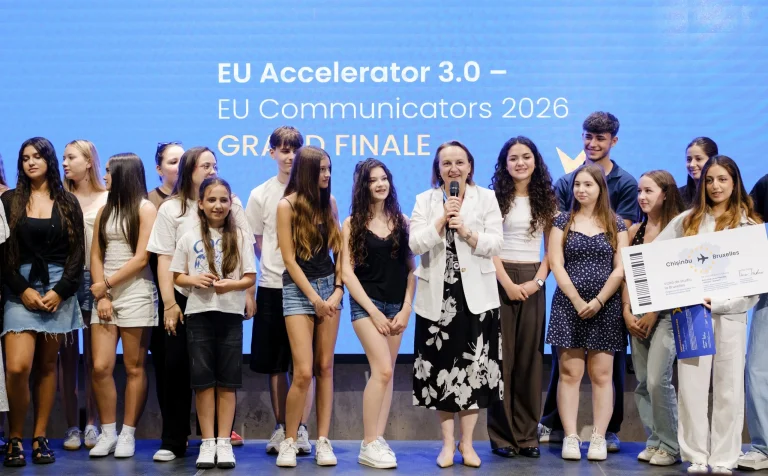
Moldovan students to visit Brussels after winning EU Accelerator 3.0 programme
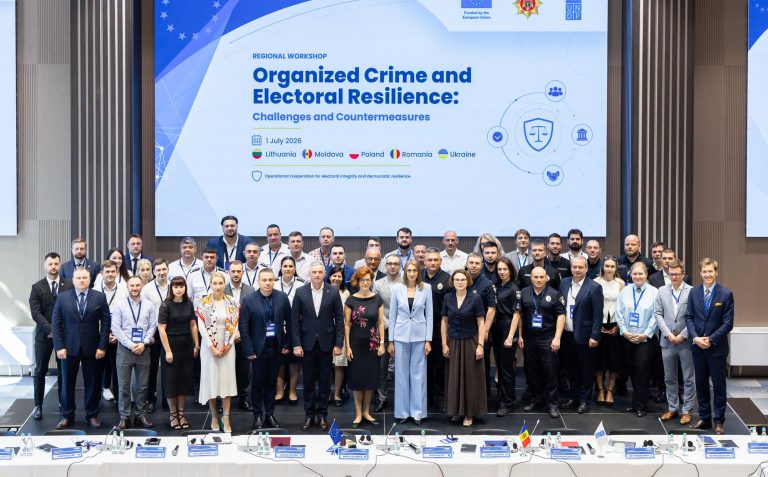
Organised crime and electoral resilience: regional forum brings together law enforcement officials from Moldova, Ukraine and EU Member States

The information on this site is subject to a Disclaimer and Protection of personal data. © European Union,
