

EU and its partners support camp for war-affected children In Ukraine
On the occasion of World Children’s Day on 20 November, Peter Wagner, Director/Head of the European Commission’s Service for Foreign Policy Instruments, visited the ‘Green School – Recovery and Development Camp’ in the Polissia region of Ukraine.
The camp is taking place with EU support as part of the ‘Integrated Support for War-Affected Children, Families and Communities’ project, implemented by Solidarity Fund PL in Ukraine. The project provides immediate relief to war-affected people and helps to build sustainable local psychosocial rehabilitation capacities, with a focus on children, families, and veterans.
The ‘Green School’ camp, organised by Caritas Ukraine, provides children with access to a safe educational and psychosocial environment, combining online learning, psychosocial support, and recreation. Most participants are between 12 and 14 years old.
“For these children, the camp means more than rest – it is a chance to become a part of the team, socialise, learn to collaborate, and develop communication skills. Children can once again experience the joys of childhood they knew before the war,” said Yaroslav Kovalenko, Project Manager, International Charity Foundation Caritas Ukraine.
“It was heartening to see that the children participating in the Green School camp could experience a haven of at least relative peace and safety, with opportunities for interacting with their peers, psychosocial support, and creativity,” said Peter Wagner. “Our project has already run a number of such camps, involving different local partners and will continue next year.”
From August to November 2025, Solidarity Fund PL in Ukraine, with EU support and together with ten partner NGOs, organised 29 rehabilitation camps for nearly 2,000 children, their families, and teachers affected by the war.
The initiative will continue in 2026, aiming to reach at least 2,000 additional beneficiaries across Ukraine.
Find out more
MOST READ


SEE ALSO
Post-war elections in Ukraine: EU and its Member States help Kyiv in preparing for out-of-country voting
EU and Ukraine discuss consequences of temporary occupation of Ukrainian territories by Russia
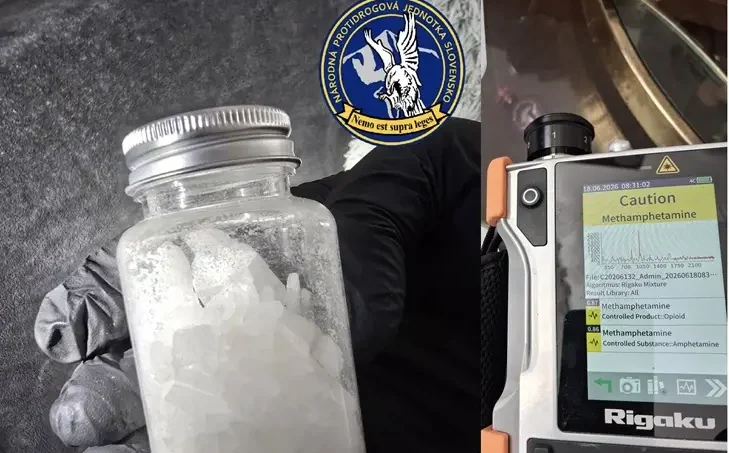
Drug trafficking: Europol arrests 20 suspects in coordinated operation across Czechia, Slovakia and Ukraine
EU Advisory Mission: Sweden helps Ukraine strengthen financial crime investigations
Ukraine: Safety Centre opens in Zaporizhzhia Oblast with EU support


The information on this site is subject to a Disclaimer and Protection of personal data. © European Union,
