

EU Ambassador to Moldova: ‘Moldova made progress in almost all of the 33 chapters’
On 2 July, the European Union Delegation to Moldova hosted a group of journalists from Austria, Hungary, and Ukraine. The visit was part of a press trip organised by EU NEIGHBOURS East, in the context of the first-ever EU-Moldova Summit, taking place on 4 July. During their visit, journalists had the opportunity to meet with the EU Ambassador to Moldova, Jānis Mažeiks, and visit EU-funded projects across the country.
In a discussion with the journalists, Ambassador Mažeiks reflected on Moldova’s progress on reforms, the country’s security situation, the influence of Russia and disinformation, and Moldova’s efforts to achieve energy independence.
Jānis Mažeiks said Moldova’s relations with the EU had progressed much further than expected just a few years ago.
“Because of the Russian invasion, there was a strong desire within the EU to support Ukraine and Moldova. Moldova is the second most impacted country due to the refugee crisis. This [the invasion] opened up the possibility for both countries to obtain EU candidate status and start working toward accession. It is a chance that they have used really, really well,” the Ambassador said.
Jānis Mažeiks highlighted Moldova’s tangible reform progress, particularly in the judiciary sector.
“The enlargement report last year showed that Moldova had made progress in almost all of the 33 chapters, 31 to be precise, which is among the best performances. That said, it was from a relatively low starting point, as many countries, particularly in the Western Balkans, have had more time to advance on this path,” he said.
The visiting journalists also explored several EU-funded projects outside the capital. These included the bakery in Bardar, supported by the PARE 1+1 programme, Poiana winery, a beneficiary of the EU4SMEs programme, and the first vulnerable household in Micăuți benefiting from energy-efficient renovations under the ‘Energy Efficiency and Renewable Energy for Moldova’ project.
MOST READ

SEE ALSO
Sixty interns from EU-Moldova Joint Internship Programme meet with EU and Danish Ambassadors
EU’s Digital Product Passport Registry goes live
EU4Innovation East supports Moldova’s next generation of angel investors
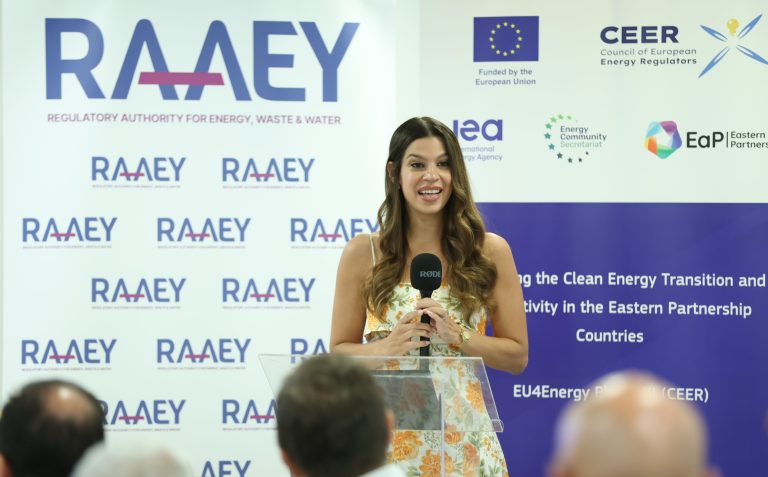
Connected energy futures: EU4Energy Phase III conference highlights interconnectors and clean energy transition
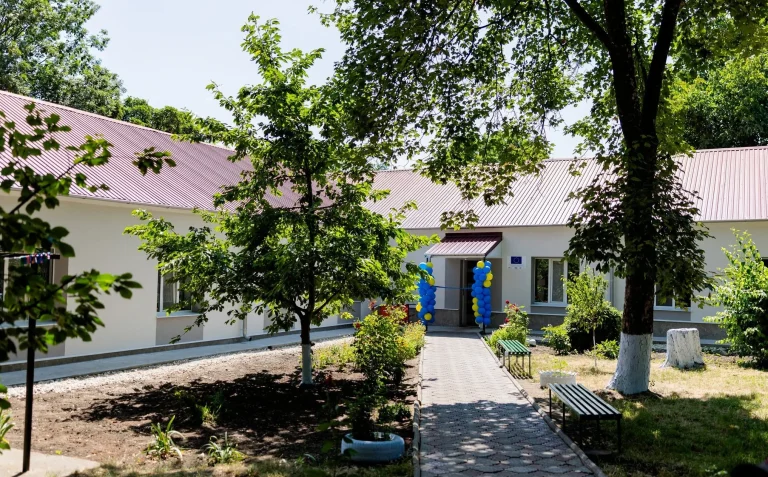
EU-funded project helps renovate Care and Assistance Centre for Older Persons in Soroca District of Moldova


The information on this site is subject to a Disclaimer and Protection of personal data. © European Union,
