

Armenia: EBRD forecasts economic growth to reach 5.5 per cent in 2026 and 2027
In 2025, Armenia continued to experience strong growth, with the construction, information and communication technology (ICT) and financial services sectors seeing sustained expansion, says the latest edition of a flagship economic report by the European Bank for Reconstruction and Development (EBRD), published on 3 June.
Real GDP in Armenia expanded by 7.2 per cent year on year in 2025, with a broad-based expansion led by construction, ICT and financial services, all of which posted double-digit growth.
This momentum carried over into 2026, with growth of 7.1 per cent year on year in the first quarter. Headline inflation, which averaged 3.3 per cent in 2025, rose to 5.3 per cent year on year in April 2026, exceeding the central bank’s target of 3.0 per cent. The fiscal deficit stood at 3.7 per cent of GDP in 2025, unchanged from 2024, while public debt had stabilised at 49.5 per cent of GDP as at year end.
While the current account deficit widened from 4.6 per cent of GDP in 2024 to 7.2 per cent of GDP in 2025 as trade in precious stones and metals declined significantly, the Armenian dram remained broadly stable.
Gross international reserves increased to US$ 5.7 billion in April 2026 from US$ 3.9 billion a year earlier, providing four months of import cover.
Economic growth is forecast to reach 5.5 per cent in 2026 and 2027. Upside potential stems from a potential border opening with Türkiye, the Trump Route for International Peace and Prosperity (TRIPP), and enhanced cooperation with the EU. In contrast, economic spillovers from the conflict in the Middle East could weigh on the growth outlook by raising the cost of commodity imports, reducing tourism inflows, and complicating trade and logistics.
Find out more
MOST READ




SEE ALSO

Registrations open for 2026 Covenant of Mayors Ceremony

EU’s Digital Product Passport Registry goes live
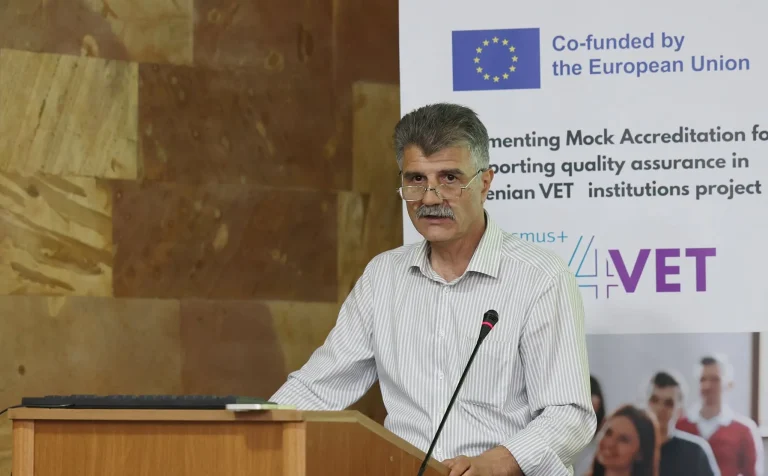
QA4VET project showcases progress in strengthening quality assurance in Armenian VET
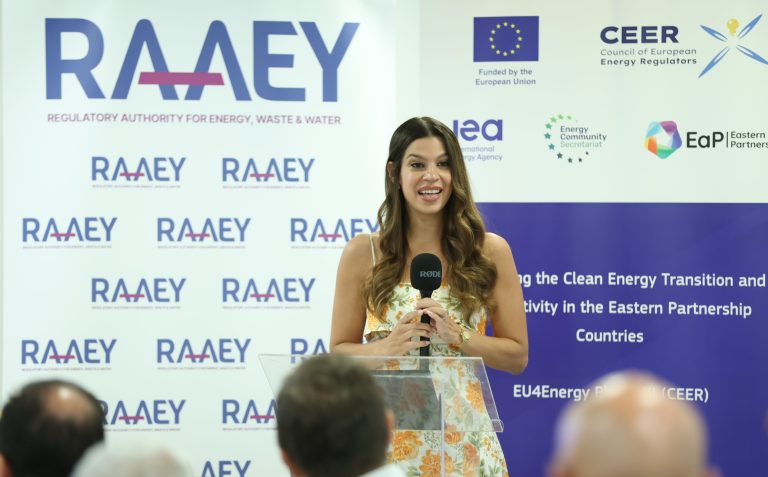
Connected energy futures: EU4Energy Phase III conference highlights interconnectors and clean energy transition

‘There can be no lasting peace without justice,’ EU says on International Criminal Justice Day


The information on this site is subject to a Disclaimer and Protection of personal data. © European Union,
