

EU-supported training equips Azerbaijani CSOs to advance gender-responsive, disability-inclusive climate action
Civil society organisations (CSOs) in Azerbaijan strengthened their capacities to advance gender-responsive and disability-inclusive climate action through training delivered by the EU4Gender Equality Reform Helpdesk project, funded by the European Union and implemented by Niras. The training on “Gender and disability in climate and disaster contexts” in Baku (2–3 March 2026) equipped 17 representatives of disability-focused CSOs with the skills to put gender equality and disability inclusion at the heart of climate and disaster-related programming.
Climate change is not gender-neutral. Its impacts are profoundly shaped by social structures – including structural inequalities based on gender and disability. Around the world, women and persons with disabilities are disproportionately affected by the impacts of climate change and natural disasters. The more we understand and address their different needs, adaptive capacities and challenges, the stronger and more sustainable our climate solutions will be.
The two-day training honed participants’ abilities to integrate gender-responsive and disability-inclusive measures into climate and disaster programming. It enhanced their knowledge of gender equality, disability inclusion, intersectionality, gender-based violence (GBV), gender-responsive approaches, and the vital role of CSOs in disaster prevention and response. The second day focused on gender mainstreaming, emergency preparedness, and practical tools to identify gender and disability-related gaps. Participants also deepened their knowledge of regulatory frameworks, including the Sendai Framework for Disaster Risk Reduction, and international conventions that guide the work of organisations of persons with disabilities (OPDs) and CSOs more broadly.
The training provided a valuable opportunity to assess how gender-sensitive Azerbaijani CSOs are in practice, the strategies they currently employ, and how they integrate a gender perspective into project implementation. Participants shared concrete approaches to promoting gender integration, including outreach initiatives to engage women with disabilities, awareness campaigns on inclusive disaster preparedness, and efforts to ensure the accessibility of information and services. They also reflected on their discussions with relevant ministries on disaster preparedness, underscoring the importance of stronger coordination and more inclusive policy implementation. According to participants, although many projects target women with disabilities, they are often implemented in a gender-neutral manner, without fully addressing the diverse priorities and needs of women and men with disabilities. Participants also highlighted the need for ongoing capacity building and practical guidance to integrate gender and disability considerations into programmes in the future.
This training is part of the EU4Gender Equality Reform Helpdesk project’s focus on empowering CSOs as key partners in advancing gender equality and women’s empowerment across the Eastern Neighbourhood region, including in Azerbaijan.
Find out more about the EU’s support for gender equality in the Eastern Neighbourhood region:
Factsheet on the EU4Gender Reform Helpdesk Phase II
MOST READ

RELATED PROJECTS

SEE ALSO
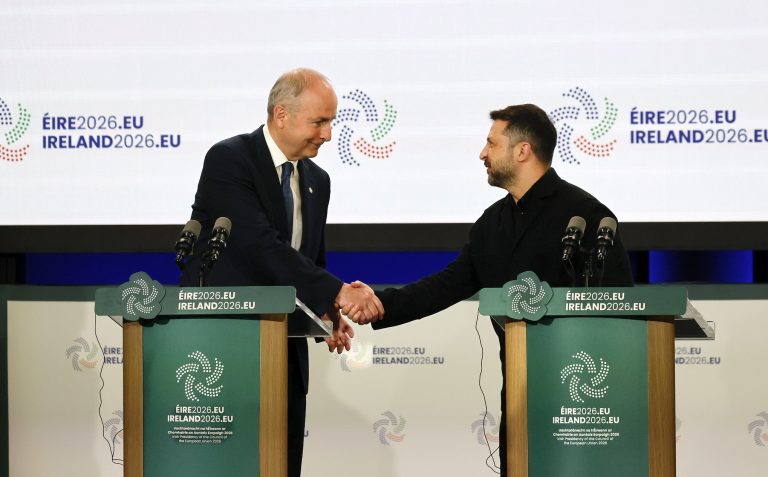
Ireland pledges support for Ukraine and candidate countries as it assumes Presidency of Council of the EU
EU launches connectivity and communities support programmes for peace in the South Caucasus
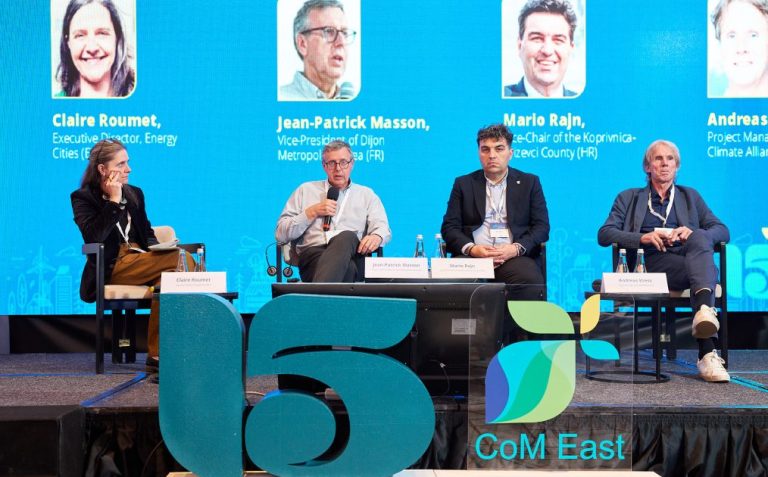
Covenant of Mayors celebrates 15th Anniversary in Eastern Partnership region
EU Connectivity Agenda: EU4Energy brings together South Caucasus countries and Türkiye for first regional dialogue
New EU sanctions target Russian energy revenues, military-industrial complex, propaganda, and human rights violations


The information on this site is subject to a Disclaimer and Protection of personal data. © European Union,
